Join
Join
 Shorts

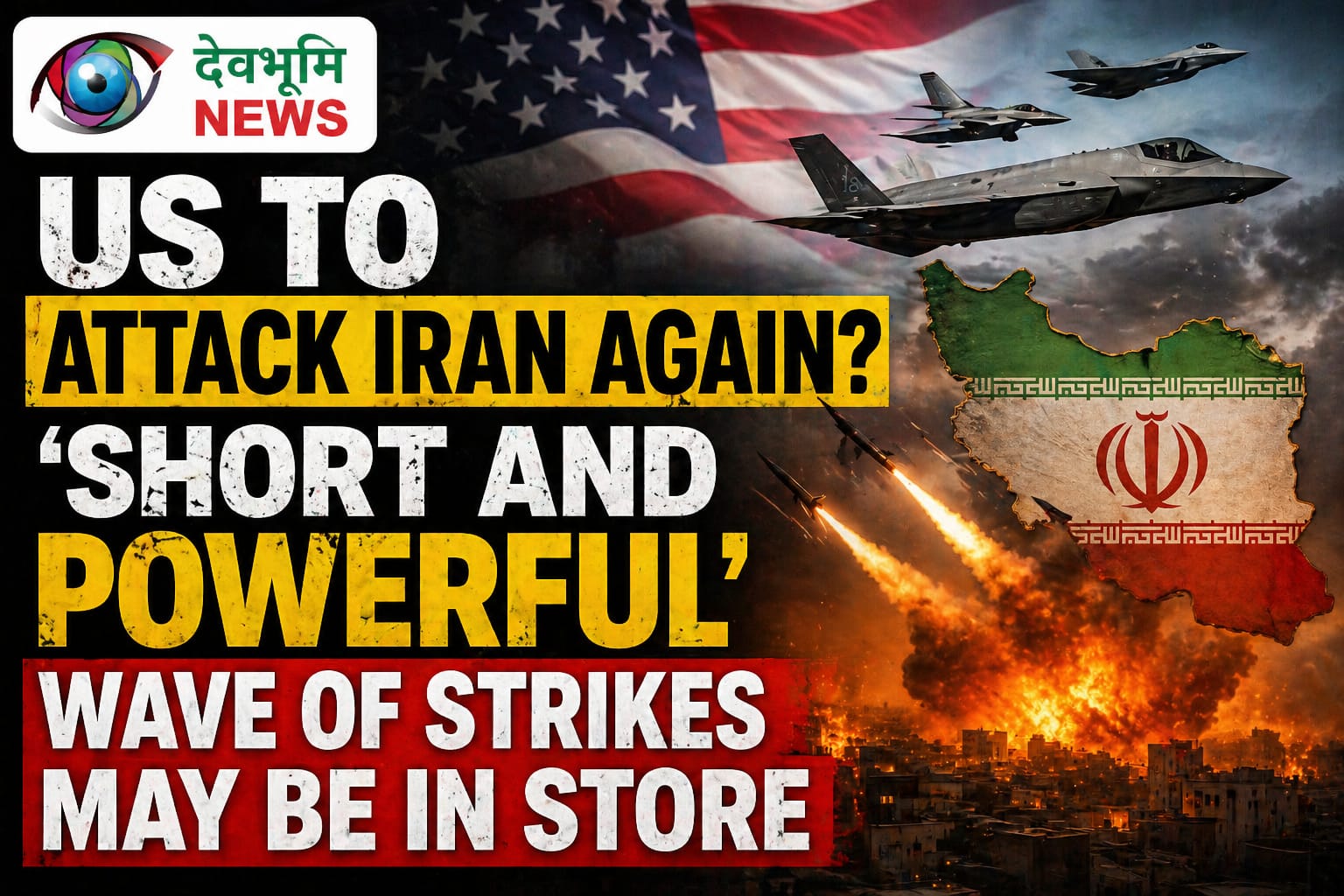
The US Iran Conflict again has raised issues, reportedly preparing a new wave of military action against Iran, with plans indicating a “short and powerful” series of strikes targeting critical infrastructure. According to recent reports, US Central Command has drafted options that could be presented to President Donald Trump, marking a potential escalation in the already volatile US-Iran conflict.
This development comes amid a fragile ceasefire and ongoing geopolitical instability in the Middle East. The proposed strikes are believed to be calculated and limited in scope, but their strategic implications could be far-reaching. As tensions continue to simmer, the possibility of renewed hostilities threatens to destabilize global markets and regional security.
Short and Powerful Strikes on Iran: What the Plan Suggests
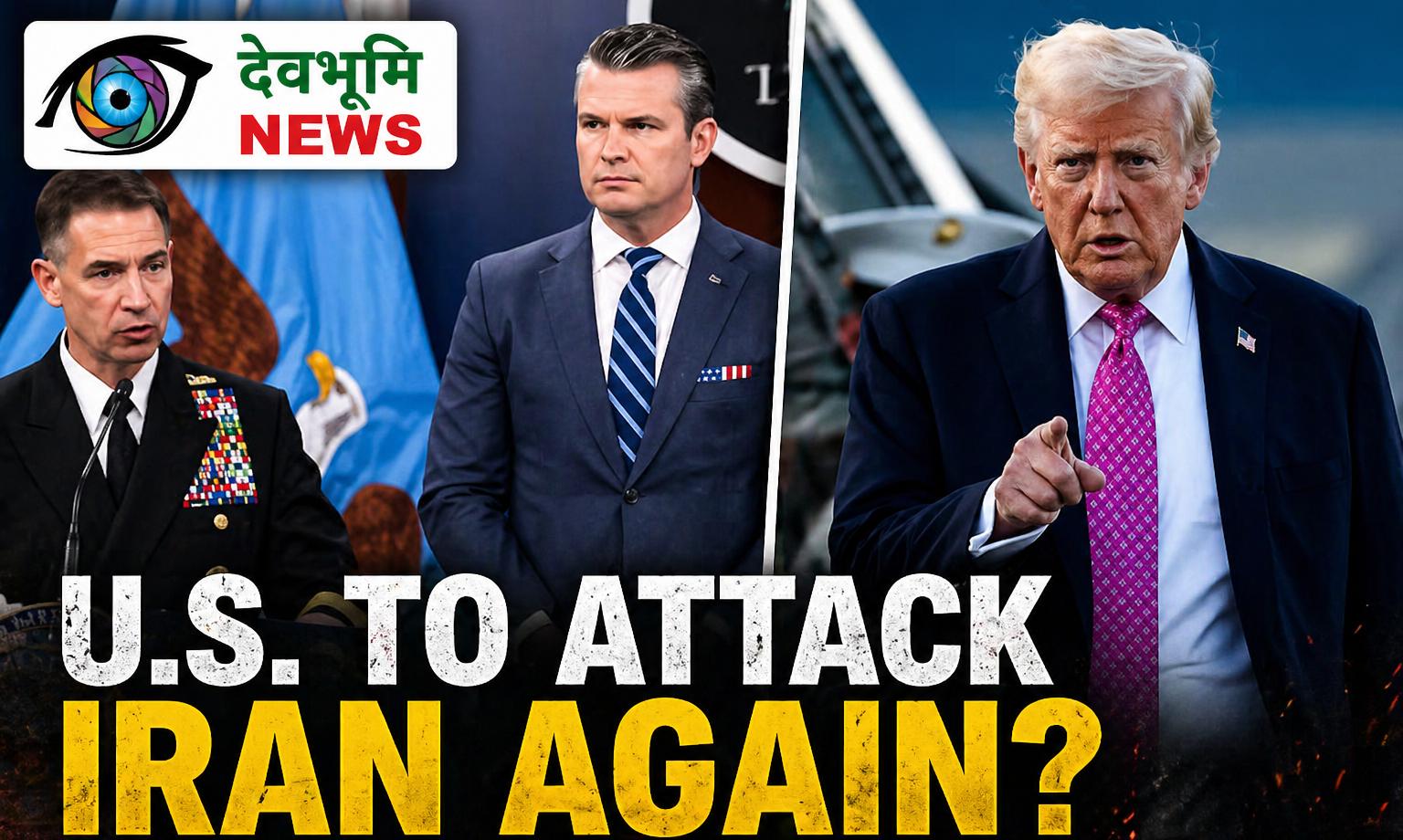
The phrase “short and powerful” reflects a military strategy aimed at delivering maximum impact within a limited timeframe. Reports suggest that the strikes could focus on key Iranian infrastructure, potentially including military installations and strategic assets.
Such an approach indicates a shift toward precision warfare, minimizing prolonged engagement while maximizing tactical gains. Analysts believe this strategy is designed to pressure Iran into negotiations without committing the US to a long-term conflict. However, the lack of publicly disclosed targets adds uncertainty to the situation, raising concerns about unintended consequences.
Current Conflict Background: War, Ceasefire, and Renewed Threats
The current tensions are rooted in the ongoing 2026 war, which began with coordinated US and Israeli strikes on Iranian targets in February. The conflict quickly escalated, with Iran retaliating through missile and drone attacks across the region.
Despite a ceasefire established in early April, violations and mutual distrust have kept the region on edge. The United States has maintained pressure through sanctions, naval blockades, and military readiness, while Iran continues to assert its defensive capabilities. The proposed strikes suggest that the ceasefire may be unraveling.
Strategic Targets and Military Options in US Strikes on Iran
Military planners are reportedly considering multiple options beyond airstrikes, including targeting infrastructure and potentially securing strategic assets like enriched uranium facilities.
Another option under discussion involves control of the Strait of Hormuz, a critical maritime chokepoint for global oil trade. Any attempt to seize or control this region could have significant economic repercussions, disrupting energy supplies and increasing global oil prices.
The inclusion of advanced weaponry, such as hypersonic missiles, further underscores the seriousness of the situation and the potential for rapid escalation.
Global Impact of US Strikes on Iran: Oil, Economy, and Security
The potential for renewed strikes on Iran has already begun to influence global markets. The Strait of Hormuz, through which a significant portion of the world’s oil supply passes, remains a focal point of concern. Disruptions in this region could lead to sharp increases in oil prices and economic instability worldwide.
In addition to economic effects, the geopolitical consequences could be severe. Regional allies and adversaries alike are closely monitoring developments, with fears that a broader conflict could emerge involving multiple nations.
Legal and Political Concerns Over Military Action Against Iran
The proposed strikes have also sparked debate over their legality and potential humanitarian impact. International legal experts have raised concerns about whether such actions could violate the Geneva Conventions, particularly if civilian infrastructure is targeted.
Domestically, the administration faces scrutiny over the cost and strategy of the war. Estimates suggest that the conflict has already cost billions of dollars, with critics questioning the long-term viability of continued military engagement.
Political divisions within the United States further complicate the situation, as lawmakers debate the effectiveness and consequences of the current approach.
Iran’s Response to Potential Strikes: Escalation Risks
Iran has consistently warned that any new US attacks would be met with strong retaliation. The country has demonstrated its ability to launch missile and drone strikes across the region, targeting both military and economic assets.
Experts caution that even a limited US strike could trigger a chain reaction, leading to widespread conflict. Iran’s strategic position and alliances in the Middle East make it a formidable opponent, capable of disrupting global trade and security.
Military Strategy: Pressure Tactics and Negotiation Leverage
The proposed strikes appear to be part of a broader strategy to pressure Iran into negotiations over its nuclear program. The United States has long viewed Iran’s uranium enrichment activities as a major security threat, while Tehran maintains that its program is peaceful.
By demonstrating military readiness, the US aims to strengthen its negotiating position. However, this approach carries risks, as it may provoke further escalation rather than encourage diplomatic resolution.
Read more like this:
- Exit Poll Results 2026: A State-by-State Breakdown of India’s High-Stakes Assembly Elections
- LPG Cylinder Delivery Update 2026: DAC Code से गैस डिलीवरी कैसे लें – Mobile Number अपडेट की पूरी जानकारी
- देवरिया वक्फ बोर्ड संपत्तियों का पंजीकरण रद्द: 205 संपत्तियों पर बड़ा प्रशासनिक फैसला
Future Outlook: Will US Strike Iran Again?
The decision to proceed with the proposed strikes ultimately rests with President Donald Trump, who is expected to be briefed on the available options. While no final decision has been announced, the situation remains highly fluid.
If approved, the strikes could mark a new phase in the US-Iran conflict, with significant implications for global security and stability. Alternatively, diplomatic efforts may still prevail, preventing further escalation.
Conclusion: US-Iran Conflict at a Critical Juncture
The prospect of a “short and powerful” wave of US strikes on Iran highlights the fragile state of international relations in the region. As military options are considered alongside diplomatic efforts, the world watches closely for the next move.
Whether this leads to renewed conflict or a return to negotiations will depend on the decisions made in the coming days. What remains clear is that the stakes are high, and the consequences of escalation could be felt far beyond the Middle East.