Join
Join
 Shorts

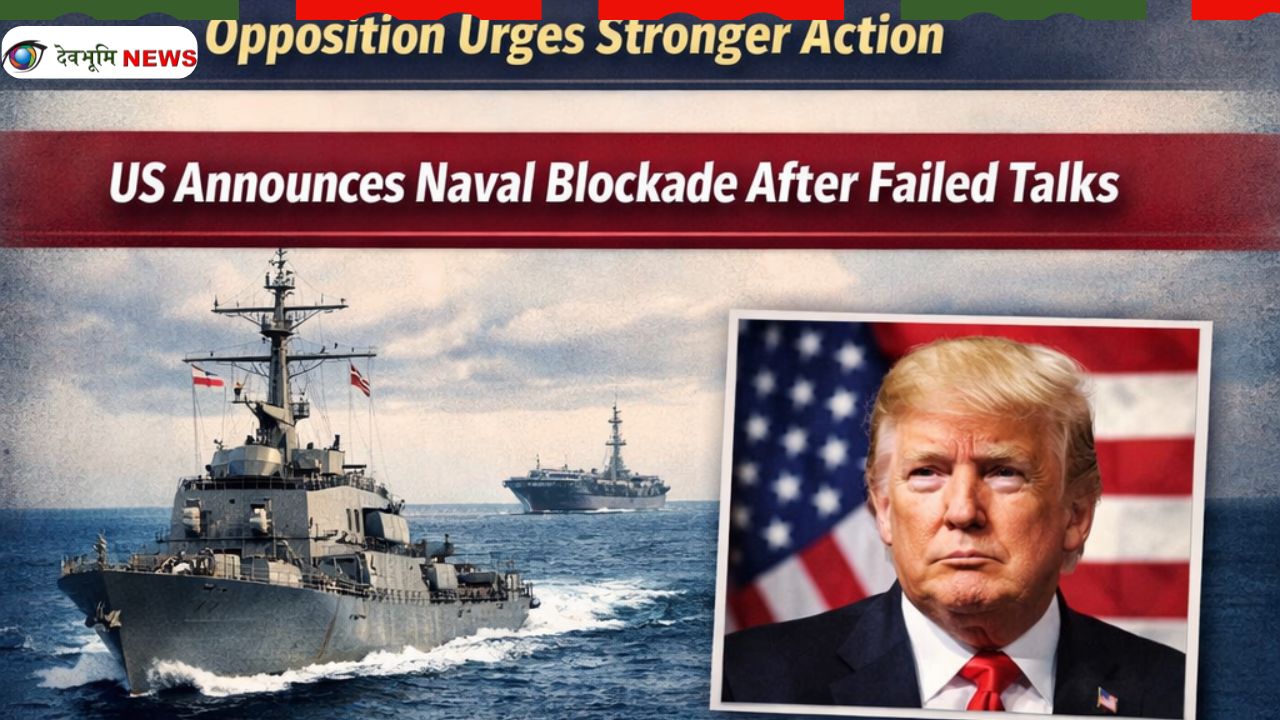
Australia has stated that the country will not join its counterpart, the United States, in its proposed naval blockade in the strategically vital Strait of Hormuz. UK and Australia Refuse to Join US Blockade of Iran. Officials from the Australian government have confirmed that no involvement is being considered at present.
Labor MP Matt Thistlethwaite said that the government’s focus is on diplomatic solutions, not military actions. He also stressed that lasting peace and steady fuel prices are only possible through negotiations, not through escalation.
Government Pushes for Diplomatic Resolution
UK and Australia Refuse leaders have reaffirmed that dialogue is the most effective option for moving forward. Officials cited recent discussions between Washington and Tehran that lasted more than 20 hours but did not result in a deal.
Despite the lack of progress and no breakthrough, the Australian government is optimistic that talks will be resumed. The leaders believe that opening the Strait of Hormuz through peaceful methods is crucial to stabilizing global trade and decreasing the cost of fuel.
Prime Minister: No Request from the United States
UK and Australia Refuse Premier Anthony Albanese confirmed that the United States is not approaching Australia to participate in the blockade.
He emphasized that the country’s primary goal is to bring about an end to the violence as well as destruction throughout the Middle East. He said that the restoration of trade routes, as well as ensuring freedom of movement of goods, are important goals that can be accomplished by peace-based talks.
Opposition Urges Stronger Action
There are many who disagree with the government’s position. Coalition senator Jane Hume has urged Australia to be ready to support the United States if requested.
She stated that ensuring it is maintained that the Strait of Hormuz remains open is in the nation’s best interest, especially for the sake of maintaining supply chains across the globe and imports of fuel. The opposition has been requesting the government to provide reasons why it’s not taking the initiative.
US Announces Naval Blockade After Failed Talks
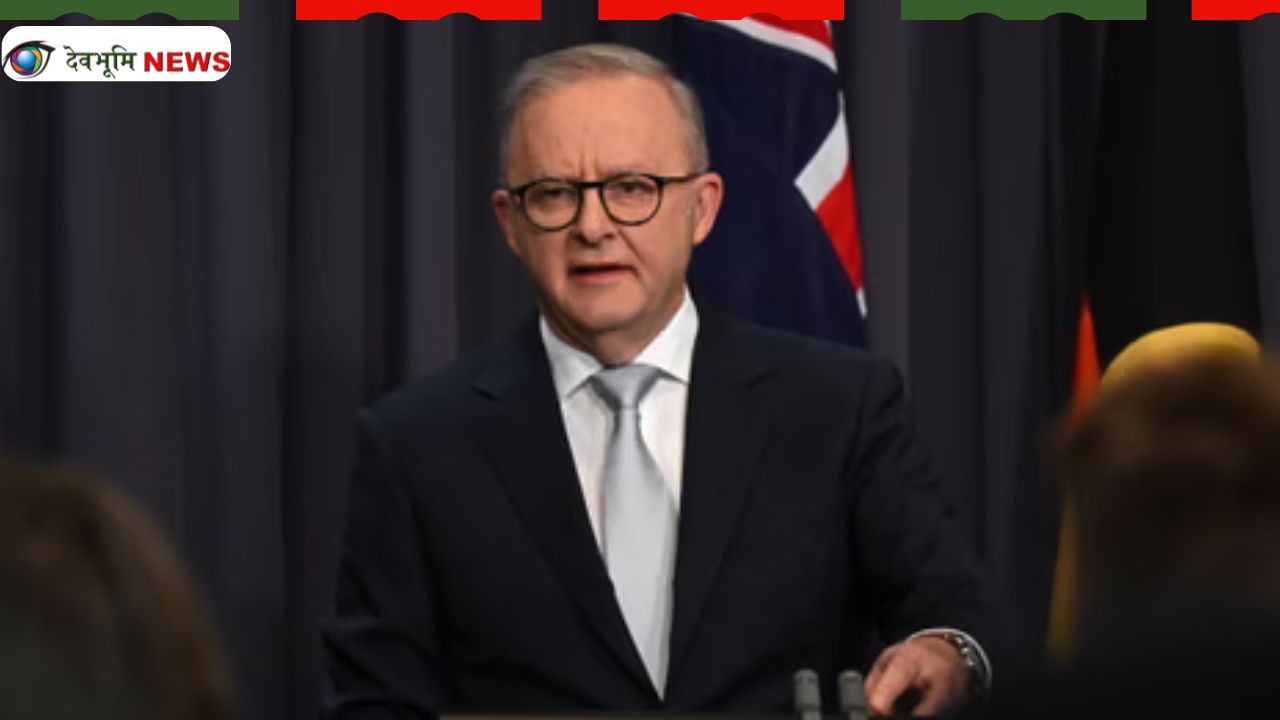
The situation deteriorated after negotiations between the United States and Iran ended without a conclusion in Islamabad, Pakistan.
After the breakdown of talks, former US president Donald Trump declared that the US Navy would begin blockading the Strait of Hormuz. Trump claimed that the talks were productive but criticized Iran for its refusal to compromise regarding its nuclear program and for refusing to open the waterway.
Trump announced that the blockade will target any vessel that attempts to pass through or leave the strait, indicating an important increase in tensions within the region.
Global Concerns Over Trade and Energy Supply
The Strait of Hormuz is one of the most important shipping routes, particularly for the transportation of oil. Any disruption to this route could have dire consequences for the global energy market and stability in the global economy.
The position of Australia is indicative of larger concerns of the international community about how to avoid further conflict, while also ensuring that trade routes around the world remain open and safe.
Read More:
- GE Aerospace Signs Deal with Indian Air Force to Set Up F404 Engine Depot in India
- Breaking News:- US Central Command Announces Hormuz blockade starting Monday
- U.S.–Iran Talks End Without Breakthrough After Marathon 21-Hour Negotiations
Conclusion:
UK and Australia Refuse As tensions escalate within and around the Middle East, Australia and the UK are opting for diplomacy instead of the use of force. As the United States moves forward with a blockade approach, the divisions among its allies reveal the complicated nature of the current situation. The next few days will be vital in determining if negotiations will restart or whether the conflict is likely to escalate.