Join
Join
 Shorts

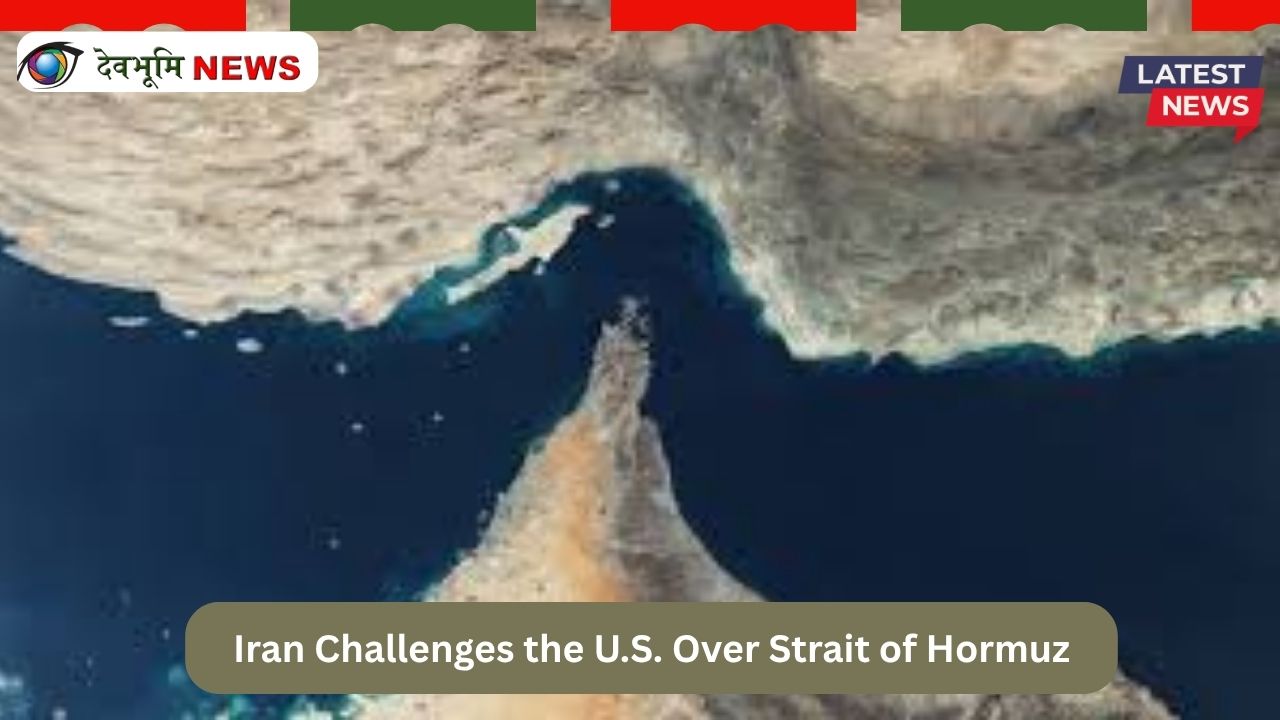
Iran Challenges the U.S. Over Strait of Hormuz: Conflicts across the Middle East have once again increased as Iran is taking a frank stand in opposition to its neighbors and the United States near the strategically crucial Strait of Hormuz. According to reports, Iran has published an enumeration of 10 powerful demands to ensure the possibility of a cease-fire, which has raised concerns around stability, the supply of oil, and geopolitical conflicts.
What Happened?
Iran’s 10-Point Demand for a Permanent End to Conflict: Full Breakdown of the Rising Crisis
Tensions have sharply escalated recently as Iran challenges the U.S. over the Strait of Hormuz, signaling a serious shift in geopolitical dynamics. Tehran has reportedly presented a 10-point demand list aimed at securing a long-term ceasefire rather than a temporary pause in the conflict. The proposal, delivered through mediators in Pakistan, has been described as a “final warning” amid growing military and economic pressure.
At the center of this crisis lies the strategically vital Strait of Hormuz, a crucial global oil transit route that has become the focal point of rising geopolitical tensions and power struggles.
Iran’s Key Demands Explained
Iran’s proposal outlines major geopolitical and economic conditions that could significantly reshape the balance of power in the Middle East:
1. Control Over the Strait of Hormuz
As Iran Challenges the U.S. Over Strait of Hormuz, Tehran is pushing for an international agreement that would allow it to impose transit charges on ships passing through the vital route. Reports suggest the fee could reach up to $2 million per vessel, reflecting Iran’s growing control over the waterway. The collected revenue is expected to be shared equally with Oman, which shares a border with the strategically important Strait.
2. Complete Lifting of Sanctions
As Iran Challenges the U.S. Over Strait of Hormuz, One of the main demands is the elimination of any international sanctions that have significantly affected the Iranian economy over many years.
3. Long-Term Security Guarantees
Iran seeks binding guarantees from both the United States and Israel to stop all future military strikes, which include those known as “Operation Epic Fury.”
4. End to Regional Military Strikes
Tehran demands that Israel stop its military operations within Lebanon and also against Iran-backed militias across the region.
5. Reconstruction Support
Iran is searching for help in terms of logistics and finances to repair infrastructure destroyed by airstrikes in recent times.
6-10. Broader Strategic Conditions
Although not completely disclosed, the remaining details are believed to contain:
-
Recognition of Iran’s influence on the region
-
Security of the routes used by oil traders
-
Reduction or withdrawal of military forces from other countries near
-
International monitoring mechanisms
-
A long-term restructuring of the diplomatic system
Donald Trump’s Response: “Not Good Enough”
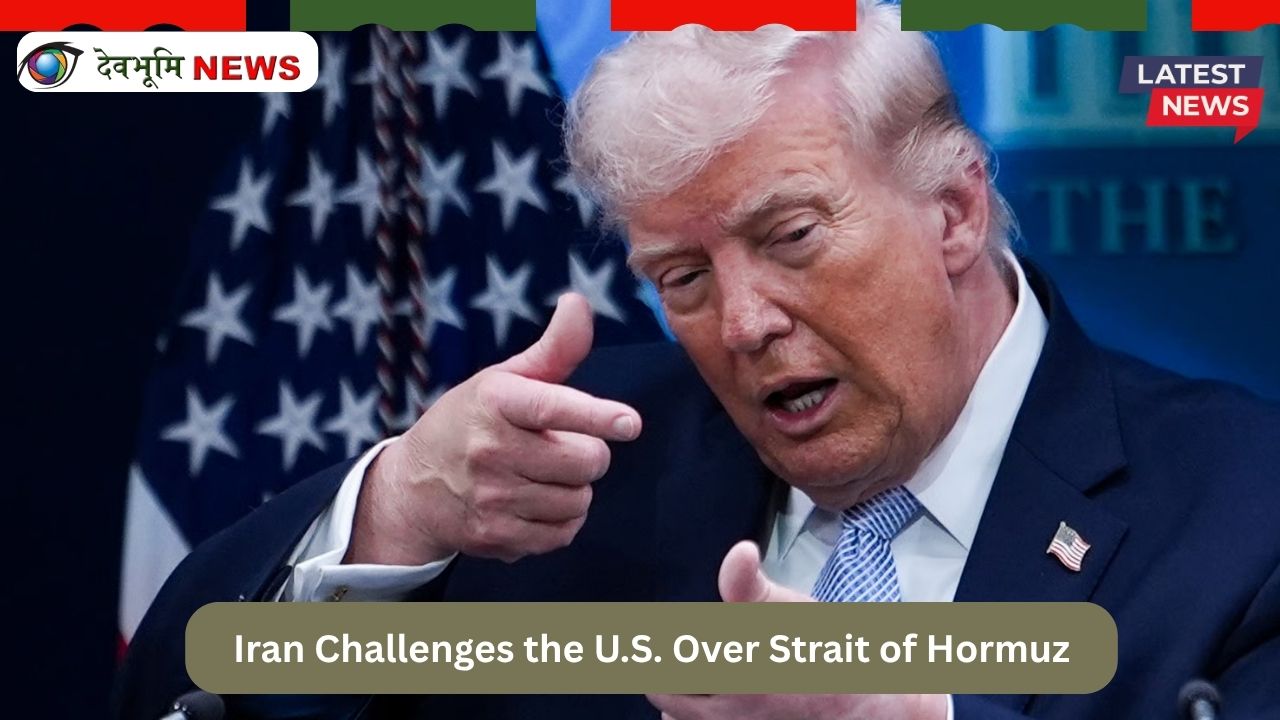
Iran Challenges the U.S. Over Strait of Hormuz. Donald Trump has taken a strong stand on Iran’s proposal.
-
Ultimatum issued: Trump set a deadline for the final day of 7 April 2026, in which he demanded Iran open its Strait of Hormuz.
-
Alert: He warned that the failure to adhere could lead to massive strikes against Iranian infrastructure, including power plants and bridges.
-
Demand Rejected: Although calling the proposal a “significant step,” Trump ultimately rejected it, stating it falls short of U.S. expectations—particularly opposing a permanent ceasefire under Iran’s terms.
Current Situation (As of April 7, 2026)
1. Escalating Global Tension
The situation is only getting worse as military readiness increases for both parties.
2. Oil Market Disruption
As Iran Challenges the U.S. Over Strait of Hormuz, the closure of this critical maritime route has already begun to disrupt global oil supply chains, leading to a noticeable rise in crude oil prices. The ongoing situation is creating uncertainty in international energy markets, raising concerns about long-term economic and geopolitical impacts worldwide.
3. Ongoing Negotiations
Despite the rhetoric, talks are continuing. Trump has said that Iran is an “active and willing participant” in talks.
4. Strait Still Blocked
Iran continues to keep its blockade, which makes the river unsafe for commercial vessels.
Global Impact: Why This Crisis Matters
-
Energy Crisis Risk: More than 20% of all oil in the world traverses the Strait
-
Economic shockwaves: Price increases for fuel could harm economies across the globe
-
Military Escalation: The risk of direct war between the major powers
-
Diplomatic Pressure: Organizations and countries can intervene to stop the conflict
Breaking News:-
- WORLD HEALTH DAY 2026: क्या है ‘One Health’ का राज जो बदल देगा जीने का तरीका?
- iPhone 18 Pro Leaks: Apple’s Biggest Design Shift Yet Could Redefine the iPhone
Conclusion
Iran Challenges the U.S. Over Strait of Hormuz, The demand list for Iran’s 10 points is one of the most significant geopolitical problems of the last few years. Although it calls for a permanent solution, the overwhelming rejection by the United States highlights how far apart both sides are.
While tensions continue to escalate within the Strait of Hormuz, the world watches closely, hoping diplomacy will prevail over conflict, but also preparing to be ready for escalated tensions.