Join
 Shorts

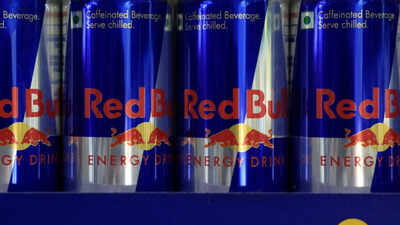
FSSAI Questions Red Bull’s ‘Energy Drink’ Label
The Food Safety and Standards Authority of India (FSSAI) has raised serious questions over the classification of popular beverage brand Red Bull as an “energy drink”, citing concerns about its high added-sugar content. The food safety regulator has issued a notice to the company, asking it to provide scientific and regulatory evidence supporting its use of the term “energy drink”.
The notice gives Red Bull seven days to explain why the use of the label should not be prohibited in India. According to the regulator, the product’s nutritional composition and marketing claims could potentially mislead consumers and encourage excessive consumption of added sugar.
The development has brought the composition of energy drinks, their health implications and the accuracy of their marketing claims into the spotlight.
55 Grams of Sugar in 500 ml: FSSAI Raises Concern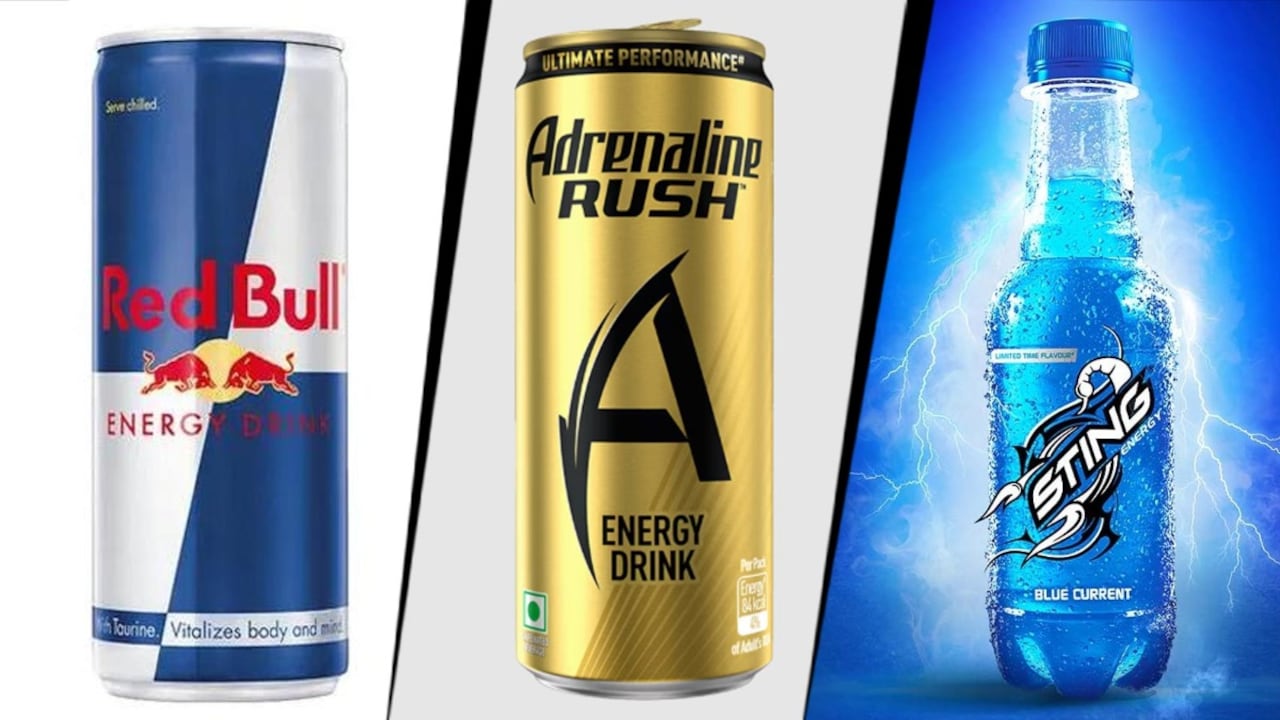
One of the major concerns highlighted by FSSAI is the amount of sugar present in Red Bull.
According to the product’s declared nutritional information, the beverage contains approximately 11 grams of sugar per 100 ml. This means that consuming 500 ml of the drink would result in an intake of around 55 grams of sugar.
The regulator has pointed out that this amount exceeds the generally recommended daily limit of 50 grams.
FSSAI has also questioned the consumption advisory printed on the product, which states that consumers should not exceed 500 ml per day. According to the authority, such an advisory could create the impression that consuming this quantity is safe or advisable.
The regulator believes that the company must clearly establish the scientific basis for presenting the beverage as an energy drink, particularly when a substantial portion of its declared energy content comes from added sugar.
Why Is FSSAI Questioning the Energy Drink Classification?
The central issue is not simply the presence of sugar in Red Bull but whether the product’s classification and marketing accurately represent its composition.
Energy drinks are generally marketed as beverages that help improve alertness, concentration and physical performance. They commonly contain ingredients such as caffeine, taurine, vitamins and sugar.
However, FSSAI wants Red Bull to explain the scientific and regulatory basis behind its energy-related positioning.
The authority has reportedly observed that a significant proportion of the beverage’s declared energy comes from added sugar. This has raised questions about whether the product’s marketing could give consumers a misleading understanding of its nutritional value.
The company has been asked to submit relevant scientific evidence and explain why its use of the term “energy drink” should be allowed to continue.
A Dispute That Began in June
The latest notice is part of a wider regulatory dispute that began in June 2026, when FSSAI moved against the use of the term “energy drink” on certain beverage products.
Red Bull, PepsiCo, Monster Beverage and Reliance Consumer challenged the regulator’s decision before the Delhi High Court, arguing that they had not been given an opportunity to present their explanations before the restrictions were imposed.
Red Bull subsequently secured interim relief from the court, allowing it to continue using the energy drink label.
Its competitors, however, were directed to stop using the description after exhausting their existing stocks.
FSSAI has also challenged the relief granted to Red Bull, arguing that the exemption gives the company an unfair commercial advantage over competing brands. The matter is expected to be heard in January.
What Ingredients Are Present in Energy Drinks?
Energy drinks typically contain a combination of ingredients designed to provide stimulation and improve alertness.
These commonly include:
- Caffeine: A stimulant that can temporarily increase alertness and reduce feelings of tiredness.
- Sugar: Provides calories and contributes to the beverage’s sweetness and energy content.
- Taurine: An amino acid naturally present in the human body and commonly added to energy drinks.
- B Vitamins: Help the body perform normal metabolic functions.
- Carbonated Water: Provides the beverage’s fizzy texture.
Although these ingredients have different functions, their combined presence does not automatically establish that a beverage offers particular health or performance benefits.
Excessive caffeine consumption may cause sleep disturbances, increased heart rate, anxiety and other unwanted effects. High sugar consumption is also associated with several long-term health concerns.
Growing Energy Drink Market Under Regulatory Scrutiny
India’s energy drink market has witnessed significant growth in recent years, attracting both domestic and international beverage companies.
According to market estimates cited in reports, India’s energy drink market could reach approximately $1.6 billion by 2028, with annual sales growth of around 12.6%.
Red Bull has established a strong presence in this expanding market. Its India revenue reportedly reached $130 million in 2024, more than double its earnings four years earlier.
As competition increases, regulatory scrutiny of product ingredients, nutritional information and advertising claims is also becoming more important.
What Happens Next for Red Bull?
Red Bull now has seven days to respond to the FSSAI notice and provide evidence supporting its product classification.
If the regulator is not satisfied with the company’s explanation, it could consider prohibiting the use of the “energy drink” label.
However, the notice does not mean that Red Bull has already been banned in India. The final decision will depend on the regulatory proceedings and the company’s response.
Neither Red Bull nor FSSAI had immediately issued a detailed public response to the latest development, according to reports.
Read more like this:
- ‘पापा को आप पर गर्व होता’, सोनिया गांधी की आत्मकथा के विमोचन पर भावुक हुए राहुल गांधी
- अमिताभ बच्चन और अभिषेक बच्चन को फिर मिली जान से मारने की धमकी, गैंगस्टर गोल्डी ढिल्लों के नाम से सामने आया धमकी भरा संदेश
Conclusion: Energy or Excessive Sugar?
The FSSAI notice has raised an important question for India’s beverage industry: should a drink containing substantial added sugar be marketed primarily as an energy drink without adequately substantiating its claims?
The issue goes beyond one company or one beverage. It highlights the importance of transparent food labelling, responsible marketing and consumer awareness.
For consumers, the development is also a reminder to check nutritional information before purchasing energy drinks. Understanding the amount of sugar and caffeine in a beverage is essential for making informed choices.
Ultimately, the dispute could have wider implications for how energy drinks are classified, marketed and regulated in India.