Join
 Shorts

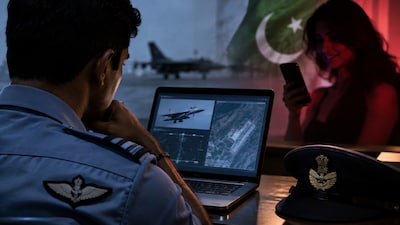
A shocking espionage case has raised serious concerns about India’s national security after a serving Indian Air Force (IAF) Wing Commander was accused of sharing classified military information with a suspected Pakistani intelligence operative in exchange for explicit photographs. According to a Delhi Police chargesheet, the officer allegedly revealed sensitive details about India’s war plans, drone capabilities, fighter aircraft deployments and strategic military installations.
The case highlights how social media, emotional manipulation and cyber espionage can be used to target defence personnel and potentially compromise a country’s security.
How the Honeytrap Operation Began
Contact Through Social Media
According to investigators, the Wing Commander came into contact with a woman suspected of having links with Pakistani intelligence. Their communication reportedly began through digital platforms and gradually developed into personal conversations.
Police allege that the woman exploited the officer’s personal vulnerabilities to gain his trust. Over time, their conversations allegedly became intimate, with photographs and video calls being exchanged.
Investigators believe that the relationship was part of a carefully planned honeytrap operation designed to extract confidential military information from an Indian defence officer.
Exchange of Explicit Photographs for Classified Information
One of the most disturbing allegations in the chargesheet concerns the exchange of explicit photographs for secret military documents.
According to Delhi Police, the suspected operative sent a nude photograph to the officer, following which he allegedly shared a page from a classified IAF war plan.
Investigators further alleged that the officer offered to provide additional pages of the war plan in exchange for more such photographs. This alleged arrangement has become one of the most controversial aspects of the case.
What Sensitive Information Was Allegedly Leaked?
Secret War Plans and Drone Capabilities
According to the police chargesheet, the officer allegedly shared information about a secret drone unit of the Indian Air Force.
The information reportedly included:
- Strength and organisational structure of the drone unit.
- Details of drone trials and operational capabilities.
- Flight endurance and weapon-targeting mechanisms.
- Potential deployment locations during wartime.
- Information about military preparedness and operational procedures.
Such information could potentially help an adversary understand India’s military capabilities and identify vulnerabilities.
Fighter Aircraft and Military Installations
Investigators also alleged that the officer disclosed information about the deployment of fighter aircraft in Leh.
Details concerning a military exercise at the Mahajan Field Firing Range in Suratgarh, Rajasthan, were also reportedly shared.
The alleged disclosures included information about sensitive military installations, aircraft movements and deployment arrangements.
These details are particularly concerning because military operational information can be valuable to foreign intelligence agencies.
Spyware Allegations: A Bigger Security Threat
Attempt to Access Other Officers’ Devices
The case reportedly involved more than just the transfer of documents and photographs.
According to the chargesheet, the suspected Pakistani operative allegedly sent malware applications to the Wing Commander. These applications were suspected of being capable of accessing sensitive information stored on electronic devices.
Police further alleged that the officer attempted to install specific malware or spyware on the information and communication technology devices of five subordinates.
If established, this aspect could indicate an attempt to expand access to confidential military information beyond a single individual.
It also raises concerns about the possibility of cyber espionage targeting entire defence networks through compromised personnel.
Thousands of WhatsApp Messages Under Investigation
Digital communication has reportedly played an important role in the investigation.
According to police, an analysis of WhatsApp data revealed an exchange involving:
- 3,008 text messages.
- 65 images.
- 65 reactions.
- 42 voice calls.
- Four video calls.
- Six URLs.
These communications are among the digital evidence examined by investigators to establish the nature and extent of the alleged espionage activities.
How Was the Officer Caught?
The case reportedly came to light after the officer was found carrying an unauthorised smartphone into his sensitive workplace.
Security personnel at his office noticed the device, which was reportedly not permitted because of the confidential nature of his assignment.
Further examination of the device allegedly revealed communications with the suspected Pakistani operative and the exchange of sensitive information.
Following a complaint from the Indian Air Force, Delhi Police arrested the Wing Commander on May 30, 2026.
He was booked under provisions of the Official Secrets Act and other relevant legal provisions.
National Security Implications
The case has highlighted the growing threat of honeytrap-based espionage in the digital age.
Foreign intelligence agencies may exploit personal relationships, emotional vulnerabilities, financial pressures and online interactions to obtain confidential information.
The alleged involvement of spyware makes the case even more serious because compromised devices can potentially expose communications, sensitive files and information belonging to other personnel.
It also underlines the importance of strict digital security practices, counter-intelligence monitoring and awareness among defence personnel.
Read more like this:
- भारत-बांग्लादेश के बीच कांसुलर वार्ता आपसी सहमति से तय तारीख पर होगी: विदेश मंत्रालय
- बिजली क्षेत्र में 6 साल में 50 लाख करोड़ के निवेश से पहले CAG का बड़ा एक्शन, 39 डिस्कॉम और 5 विभागों का विशेष ऑडिट शुरू
Conclusion
The alleged IAF honeytrap case is a serious reminder that national security threats do not always emerge through conventional military operations. Sometimes, they begin with an online conversation and gradually develop into sophisticated intelligence-gathering operations.
However, the allegations against the Wing Commander must be examined through the judicial process, and he is entitled to the presumption of innocence until proven guilty.
Ultimately, the case demonstrates why discipline, digital vigilance and professional responsibility are essential for anyone entrusted with sensitive national security information.