Join
 Shorts

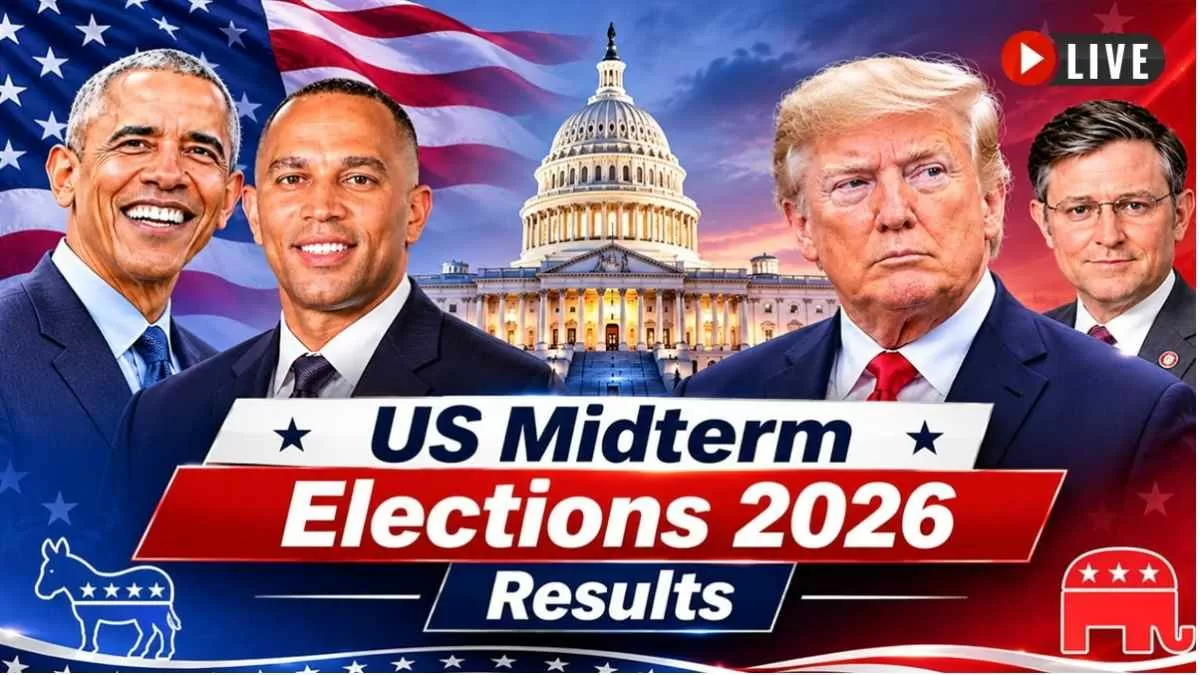
The 2026 United States midterm elections have become a major political event, with voters across the country casting their ballots on November 3, 2026. The election is particularly significant because it will determine the balance of power in the US Congress and influence the direction of American politics for the next two years.
The headline suggesting that Democrats are set to take control of both the House of Representatives and the Senate has attracted considerable attention. However, election leads and projections must be distinguished from officially confirmed results. The final outcome depends on vote counting, closely contested races and the certification process.
Democrats Make Major Gains in Congress
Senate Control Shifts Towards Democrats
One of the biggest developments of the 2026 midterm elections is the Democratic Party’s strong performance in several competitive Senate races. According to Associated Press reporting, Democrats have won control of the Senate after flipping important Republican-held seats, including races in Texas, Kansas, South Carolina, North Carolina and Ohio.
These victories represent a significant political setback for Republicans, who entered the election with a 53-seat Senate majority. Several closely watched contests helped Democrats improve their position and gain greater influence over national policymaking.
House of Representatives Also Expected to Change Hands
The battle for the House of Representatives has also become a major story. Democrats are projected to win enough seats to take control of the chamber, although some races remain too close to call and vote counting is continuing.
A Democratic House majority would give the party control over important legislative decisions, committee leadership and congressional investigations. The outcome could significantly change the political environment in Washington.
Why Did Democrats Perform So Well?
Economic Concerns and Rising Living Costs
Economic conditions have been among the most important issues influencing American voters. Rising prices, household expenses, fuel costs and concerns about financial security have shaped the election campaign.
Many voters have expressed dissatisfaction with the government’s handling of the economy. Democrats used these concerns to challenge Republican leadership and highlight the need for policies addressing affordability and working-class financial pressures.
President Donald Trump’s Political Influence
President Donald Trump also played a major role in shaping the election. The midterms were widely viewed as a referendum on his administration’s policies and political leadership.
Republicans faced criticism over several controversial decisions, while Democratic candidates encouraged voters to use the election as an opportunity to change the direction of Congress.
What Does Democratic Control Mean for Donald Trump?
Increased Congressional Opposition
If Democrats secure majorities in both chambers, President Trump could face stronger opposition to his legislative agenda.
Democratic lawmakers would have greater opportunities to investigate administration policies, question government officials and conduct congressional oversight.
This could create a more challenging political environment for the White House during the remaining two years of Trump’s presidency.
Challenges for Future Legislation
A Democratic-controlled Congress could make it more difficult for the Republican administration to pass major legislation without bipartisan support.
Issues such as immigration, taxation, healthcare, foreign policy and government spending could become major areas of disagreement between Congress and the White House.
Key Issues That Influenced the 2026 Midterm Elections
Several important issues shaped the election campaign:
- Economy and inflation: Voters focused on the rising cost of everyday goods and financial pressures.
- Healthcare: Access to affordable medical services remained an important concern.
- Immigration: Border security and immigration policies continued to generate political debate.
- Foreign policy: America’s international commitments and military involvement attracted public attention.
- Government accountability: Voters considered transparency, leadership and the use of presidential power.
These issues helped determine the political priorities of voters across different states.
What Happens Next?
Vote Counting and Certification
Although major projections have emerged, election officials must complete the counting process before results become officially certified. Mail-in ballots, provisional ballots and close contests can influence final seat totals.
Political parties will also examine the results to understand changing voter preferences and prepare their strategies for upcoming elections.
A New Political Landscape
The potential Democratic victories could reshape American politics and influence the country’s legislative priorities. Both parties will need to reconsider their strategies as they prepare for the next presidential election cycle in 2028.
Read more like this:
- ओमान के तट के पास भारतीय ध्वज वाले जहाज ‘अल जुसीफी’ पर हमला, एक भारतीय नाविक की मौत; विदेश मंत्रालय ने तनाव कम करने की अपील की
- राहुल गांधी ने पीएम मोदी को फिर दी खुली बहस की चुनौती, अमित शाह बोले- सरकार हर मुद्दे पर चर्चा को तैयार
Conclusion
The 2026 US midterm elections could mark a major turning point in American politics. Democratic victories in important Senate contests and projections indicating a possible House takeover represent a serious challenge to Republican influence in Washington.
If Democrats successfully establish control of both chambers, they will gain significant opportunities to influence legislation, strengthen congressional oversight and challenge President Donald Trump’s policies.
However, the final political picture will become clearer only after all outstanding votes are counted and the results are officially confirmed. The election has already demonstrated the importance of economic concerns, public accountability and voter participation in shaping the future of American democracy.