Join
 Shorts

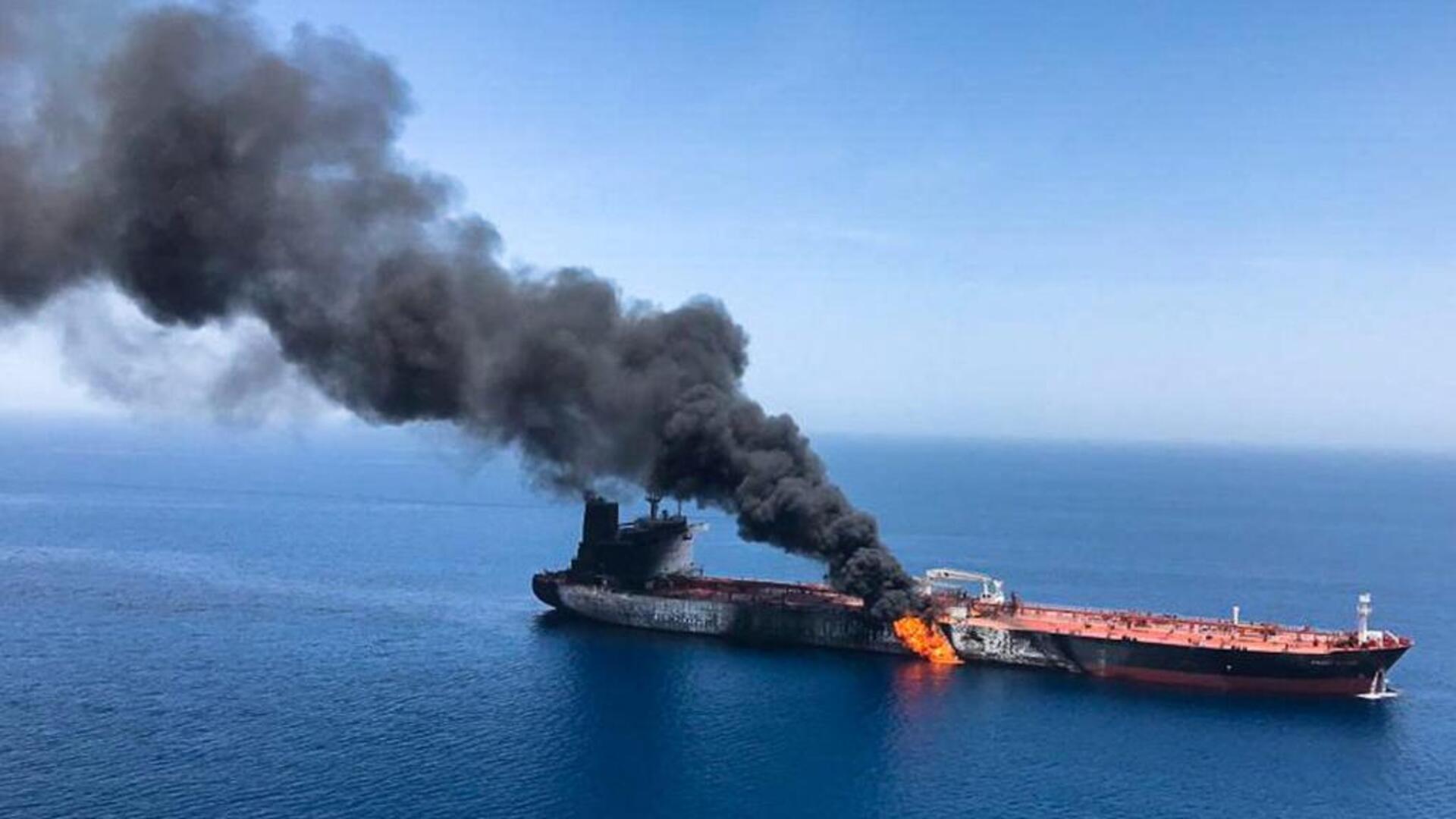
A major maritime security incident has raised fresh concerns over the safety of Indian seafarers after an oil tanker carrying 27 Indian crew members was attacked with limpet mines in the Strait of Hormuz. The Panama-flagged crude oil tanker, identified as MT LOUISE 1, was targeted on October 30, 2026. The attack triggered a fire in the vessel’s engine room and temporarily disrupted its operations. Fortunately, all 27 Indian seafarers aboard the tanker were reported safe, with no injuries.
The incident has once again highlighted the growing security risks in one of the world’s most strategically important waterways, which plays a crucial role in international oil transportation.
What Happened in the Strait of Hormuz?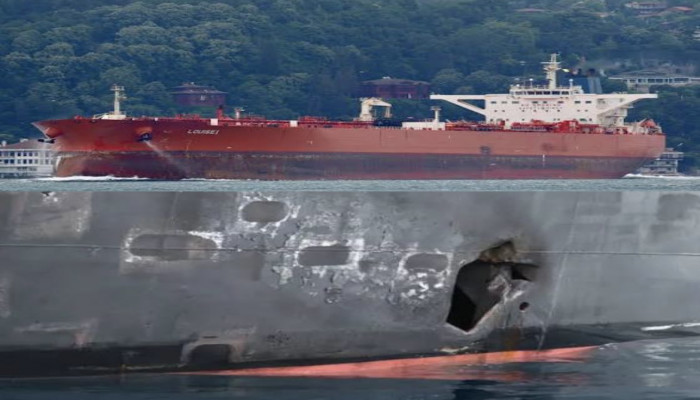
According to maritime security sources, the attack took place approximately 25 nautical miles, or around 46 kilometres, northeast of Khasab in Oman.
A small boat reportedly approached the Panama-flagged tanker and attached two limpet mines to its hull. The explosives subsequently detonated, causing a fire in the engine room and temporarily disabling the vessel.
However, the crew responded quickly and managed to extinguish the fire. Following the incident, the tanker continued its journey towards its next destination.
The United Kingdom Maritime Trade Operations (UKMTO), a British maritime security agency, confirmed that the vessel had been involved in an incident. It also reported that the crew was safe, the fire had been brought under control and no environmental damage had been reported.
All 27 Indian Seafarers Safe
The safety of Indian nationals aboard the tanker became the immediate priority following the attack.
Union Minister for Ports, Shipping and Waterways Sarbananda Sonowal confirmed that all 27 Indian seafarers aboard MT LOUISE 1 were safe and had sustained no injuries.
The minister also stated that the Indian government was closely monitoring the situation and coordinating with the ship management companies to ensure the safety and well-being of Indian crew members.
The incident is particularly significant because thousands of Indian seafarers work on commercial vessels operating across international shipping routes, including the Gulf region.
What Are Limpet Mines?
Limpet mines are specialised explosive devices designed to be attached directly to the hull of ships. They are generally fixed using magnets or other attachment mechanisms and can be detonated after being placed on a vessel.
These explosives are particularly concerning because they can be deployed by small boats without requiring large military platforms.
According to maritime security experts, limpet mines are relatively inexpensive and can be used to damage commercial vessels, disrupt shipping operations and create fear among shipowners and international shipping companies.
Their use in the Strait of Hormuz marks a serious development in the maritime security situation.
Another Tanker Carrying Indians Also Targeted
The attack on MT LOUISE 1 came just a day after another tanker carrying Indian nationals was targeted in the same strategic waterway.
On October 29, the Liberia-flagged very large crude carrier MT ARZANAH, carrying two Indian nationals, also came under a projectile attack.
According to the Indian shipping minister, all crew members aboard both vessels were safe.
This means that a total of 29 Indian seafarers aboard the two targeted tankers escaped without injuries.
The two consecutive incidents have increased concerns about the security of merchant vessels travelling through the Strait of Hormuz.
Why Is the Strait of Hormuz So Important?
The Strait of Hormuz is one of the world’s most important maritime chokepoints. It connects the Persian Gulf with the Gulf of Oman and the Arabian Sea.
A significant portion of the world’s petroleum exports passes through this narrow waterway. Major oil-producing countries, including Saudi Arabia, Iraq, Kuwait, Qatar and the United Arab Emirates, depend heavily on shipping routes connected to the strait.
Any disruption to maritime traffic in this region can affect international oil supplies, shipping costs and global energy markets.
For India, the security of the Strait of Hormuz is especially important because the country depends substantially on imported crude oil to meet its energy requirements.
Growing Concerns Over Regional Security
The latest attack comes amid rising tensions and repeated security incidents involving commercial vessels in the region.
The successful use of limpet mines has raised concerns that attacks on merchant ships could become more difficult to prevent. Such incidents can discourage shipping companies from using the route and increase insurance premiums and transportation costs.
However, responsibility for the attack on MT LOUISE 1 had not been independently established at the time of reporting. Therefore, it would be premature to attribute the incident to any particular country or organisation.
India’s Response and the Way Forward
The Indian government is monitoring developments and maintaining communication with the concerned shipping companies to protect Indian nationals working aboard commercial vessels.
Ensuring the safety of Indian seafarers remains a major priority. India may also need to continue diplomatic engagement with regional and international partners to support safe navigation through important maritime routes.
Shipping companies are likely to review their security arrangements and risk assessments before sending vessels through sensitive waters.
Read more like this:
- वाराणसी-नई दिल्ली वंदे भारत स्लीपर ट्रेन का इंतजार खत्म, आज शनिवार 31अक्टूबर से चलेगी ट्रेन; यात्रियों को मिलेगा रातभर आरामदायक सफर
- Supreme Court Seeks Report from ECI on Form 7 Misuse Allegations
Conclusion
The attack on MT LOUISE 1 carrying 27 Indian seafarers is another reminder of the growing risks faced by commercial shipping in the Strait of Hormuz. Although the crew successfully controlled the fire and all Indian nationals escaped unharmed, the incident has raised serious questions about maritime security in the region.
With another tanker carrying two Indians also targeted within 24 hours, the situation deserves close international attention. Protecting merchant vessels, ensuring freedom of navigation and preventing further escalation will be essential for maintaining stability in this strategically important waterway.