Join
 Shorts

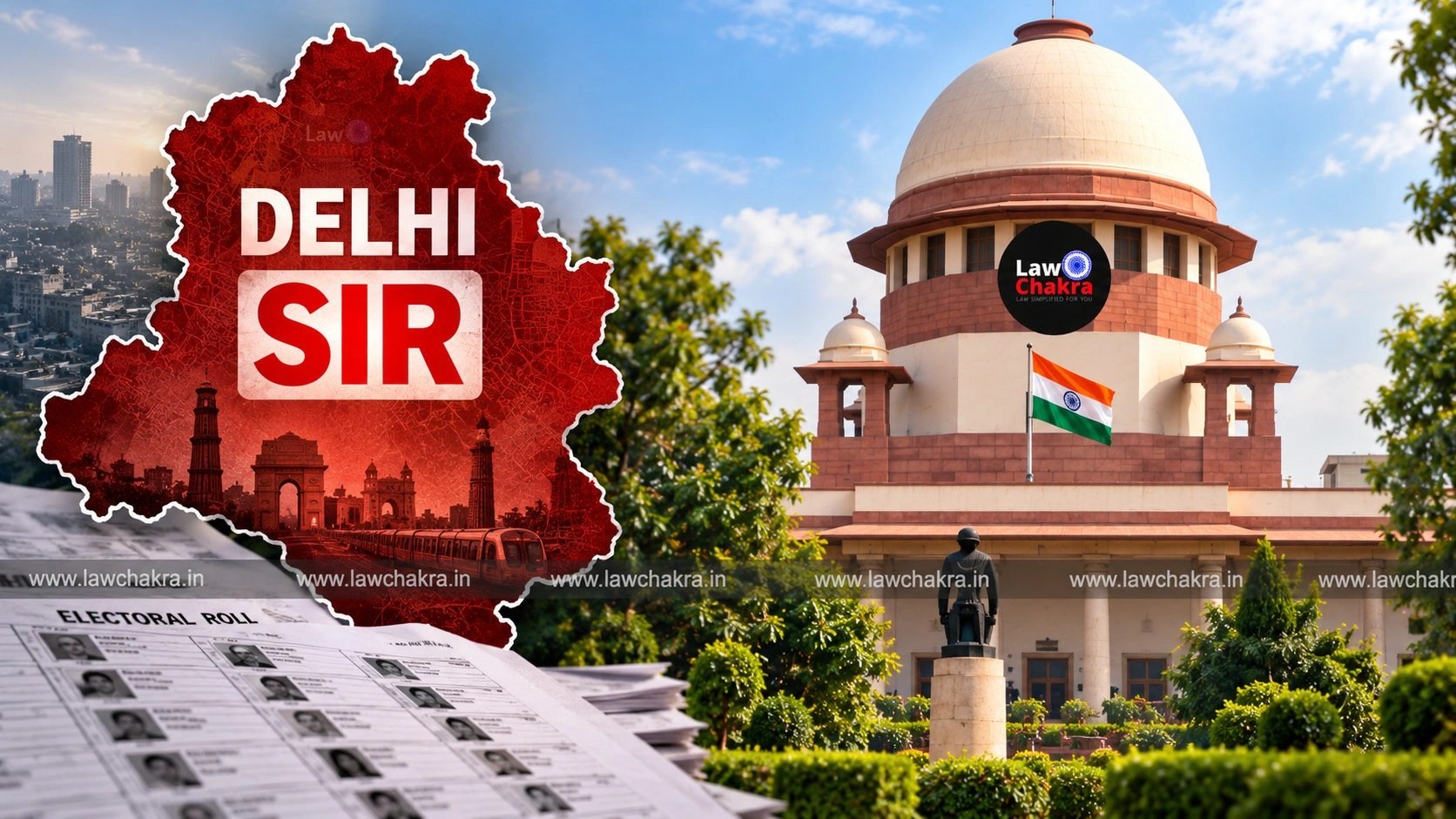
The issue of voters being asked to submit Form 6 despite their names having appeared on the 2026 electoral rolls has raised important questions about the accuracy, transparency and fairness of the electoral process in Delhi. The Supreme Court’s intervention in the matter has brought the Election Commission of India (ECI) under scrutiny over the treatment of voters whose names have reportedly been deleted during the Special Intensive Revision (SIR) of electoral rolls.
The central question is simple: if a citizen’s name was already included in the electoral roll for 2026, why should that person have to apply afresh to establish their eligibility to vote? The matter raises concerns about administrative errors, voter rights and the responsibility of election authorities to maintain reliable electoral records.
What Is the Special Intensive Revision (SIR)?
The Special Intensive Revision is an exercise undertaken by election authorities to examine and update electoral rolls. Its purpose is to identify eligible voters, remove duplicate or ineligible entries, correct errors and ensure that the electoral database accurately reflects the electorate.
Although updating voter lists is essential for free and fair elections, the process must follow established legal procedures. Genuine voters should not be excluded because of clerical mistakes, discrepancies in records or difficulties in verifying their information.
In Delhi, the controversy concerns voters who claim that their names were present on the 2026 electoral rolls but were subsequently treated as deleted or required to submit fresh applications.
Why Is Form 6 Becoming a Point of Contention?
Form 6 is generally used to apply for the inclusion of a name in the electoral roll. It is an important mechanism for eligible citizens seeking voter registration.
However, asking an existing voter to submit Form 6 can raise questions when that person’s name was already recorded on a recent electoral roll. Such a requirement may create confusion about whether the individual is being treated as a new applicant or as someone whose existing registration needs correction or restoration.
The distinction matters because a voter who was previously registered may reasonably expect the authorities to explain why their entry has disappeared and what procedure applies to their particular circumstances.
The key issue is not whether Form 6 should exist, but whether it is being appropriately applied to people whose names were already on the rolls.
Read more like this:
- ड्राइविंग लाइसेंस नियमों में होने वाला है बड़ा बदलाव, जानिए क्या-क्या हो जाएगा मुफ्त और कहां होगी सख्ती?
- हमें सब पता है’: CEC ज्ञानेश कुमार के खिलाफ याचिकाओं पर 17 नवंबर को सुप्रीम कोर्ट में सुनवाई
Supreme Court Seeks Answers from the Election Commission
The Supreme Court’s questioning of the Election Commission of India highlights the need for clarity regarding the deletion of voters’ names and the subsequent demand for fresh applications.
The court’s intervention places emphasis on the electoral authority’s responsibility to explain its procedures and ensure that eligible citizens are not unfairly disadvantaged by the revision process.
The ECI must clarify how names were removed, what verification was conducted and why certain individuals are being asked to submit Form 6 despite their earlier inclusion in the electoral database.
It is important to distinguish between questions raised by the court and any final judicial finding. The precise implications of the proceedings depend on the court’s observations, the Commission’s response and any subsequent orders.