Join
 Shorts


Cyclone Arnab is approaching India’s eastern coastline, raising concerns over heavy rainfall, powerful winds and possible flooding in coastal areas. According to the India Meteorological Department (IMD), the storm is expected to make landfall between Bapatla and Visakhapatnam in Andhra Pradesh by the forenoon of October 28, 2026.
The approaching cyclone has prompted Andhra Pradesh and Odisha to intensify their disaster preparedness measures. While authorities in Andhra Pradesh are preparing for possible evacuations and emergency operations, the Odisha government has mobilised 225 rescue teams across five vulnerable districts to minimise the potential impact.
Officials have urged residents, particularly those living in low-lying and coastal areas, to remain alert and follow instructions issued by local administrations.
Cyclone Arnab Latest Update: Landfall Expected on October 28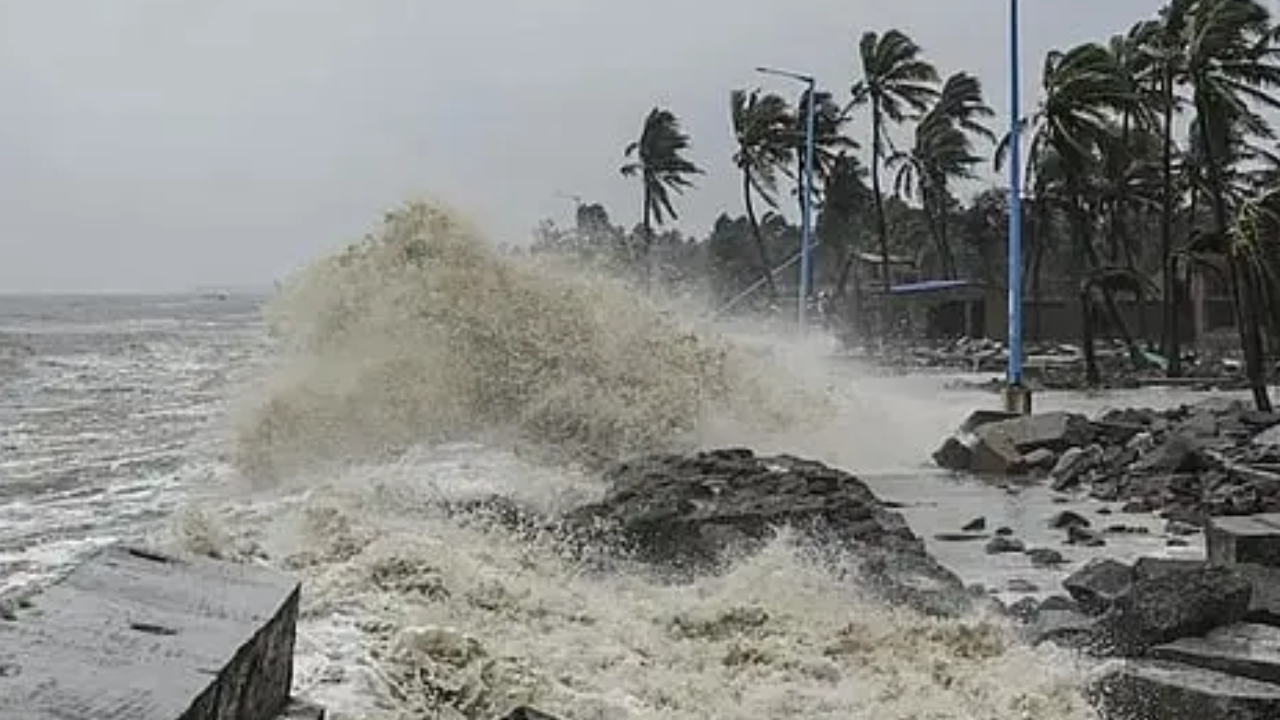
The weather system over the Bay of Bengal intensified into Cyclone Arnab on October 26, according to the latest reports citing the IMD. The storm is forecast to move towards the Andhra Pradesh coast and could strengthen further before landfall.
The IMD has predicted maximum sustained wind speeds of 115–125 kilometres per hour, with gusts reaching up to 140 kilometres per hour. Such conditions could damage temporary structures, uproot trees, disrupt road transport and cause power outages.
The precise track and intensity of the cyclone may change as the system develops. Residents should therefore rely on official weather bulletins rather than unverified information circulating on social media.
Andhra Pradesh Prepares for Heavy Rainfall and Strong Winds
Andhra Pradesh is expected to face some of the most significant effects of the approaching cyclone. Coastal districts could experience heavy to very heavy rainfall, with isolated areas potentially receiving extremely heavy downpours.
The state administration has reviewed evacuation arrangements, relief centres, drinking water supplies, medical facilities and emergency response systems. Disaster response teams are being kept ready to assist vulnerable communities and conduct rescue operations if required.
Fishermen have been advised to avoid venturing into the sea, while boats already at sea have been instructed to return to safer locations. Residents in vulnerable coastal settlements should prepare for possible temporary relocation if evacuation orders are issued.
Heavy rainfall could also lead to waterlogging, localised flooding and disruption of essential services. Authorities are monitoring the evolving situation and coordinating with relevant departments to ensure a timely response.
Odisha Mobilises 225 Rescue Teams Across Five Districts
Although the expected landfall is along the Andhra Pradesh coast, southern Odisha is also at risk of intense rainfall and strong winds. The state government has placed 225 rescue teams on high alert across five vulnerable districts: Ganjam, Gajapati, Rayagada, Koraput and Malkangiri.
These teams are being prepared to respond to emergencies, assist stranded residents, clear fallen trees and debris, and support evacuations where necessary. Equipment for rescue operations, including work in difficult conditions, is being readied.
The IMD has issued a red warning for extremely heavy rainfall in the five districts on October 28. Heavy rainfall in hilly and vulnerable areas could increase the risk of landslides, flash flooding and damage to roads and public infrastructure.
The Odisha administration has also strengthened coordination among disaster management officials and local authorities. Residents have been advised to avoid unnecessary travel during periods of severe weather and move to designated shelters if instructed.
School Closures and Public Safety Measures
As a precaution, educational institutions in Ganjam, Gajapati, Rayagada, Koraput and Malkangiri are scheduled to remain closed on October 28 and 29, according to reports on the state’s preparations. District administrations may announce additional restrictions depending on changing weather conditions.
People living in vulnerable areas should keep essential medicines, drinking water, dry food, flashlights and charged mobile phones ready. Important documents should be stored in waterproof bags, and emergency contact numbers should be kept accessible.
Residents must stay away from fallen electric wires, damaged poles, flooded roads and fast-flowing water. Farmers and fishermen should follow official safety instructions and avoid taking unnecessary risks.
What Happens Next?
The next 48 hours will be crucial as Cyclone Arnab moves closer to the eastern coast. Meteorologists will continue monitoring its movement, wind speeds and rainfall potential to refine the forecast.
Authorities in Andhra Pradesh and Odisha are focusing on early warnings, evacuation readiness and the protection of vulnerable communities. The effectiveness of these measures will depend on timely communication and public cooperation.
Residents should follow updates from the IMD, state disaster management authorities and district administrations. The cyclone’s exact intensity and impact will become clearer as it approaches land.
Read more like this:
- खरगे की मोदी पर ‘ बाप’ वाली टिप्पणी के विरोध में भाजपा का देशव्यापी प्रदर्शन आज 26 अक्टूबर को
- सुखोई, तेजस और किरण ने वाराणसी में दिखाया आसमानी शौर्य, पीएम मोदी ने देखा शानदार एयर शो
Conclusion:
Cyclone Arnab poses a serious weather threat to parts of Andhra Pradesh and southern Odisha, with landfall forecast between Bapatla and Visakhapatnam on October 28. With 225 rescue teams on alert in five Odisha districts and emergency preparations underway in Andhra Pradesh, authorities are working to reduce risks and protect lives. Public vigilance and adherence to official advisories remain essential.