Join
 Shorts

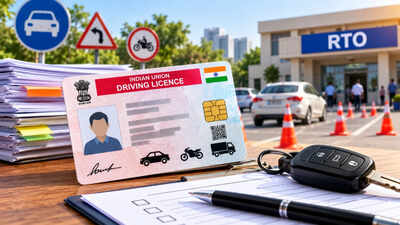
The Central Government is planning a major overhaul of India’s driving licence system, proposing separate colour-coded licences for Indian citizens and foreign nationals. The proposed changes aim to improve identity verification, reduce document fraud, strengthen road safety assessments and make several licence-related services more accessible to applicants.
The Ministry of Road Transport and Highways (MoRTH) has proposed amendments to the Central Motor Vehicles Rules, 1989. The draft notification, issued in October, includes changes to licence formats, mandatory personal information, documentation requirements, online services and learner-driver assessments. The proposals are open to public objections and suggestions before the government takes a final decision. <Cite refs={[“turn323804search0″,”turn323804search1”]}/>
1. Separate Colour Schemes for Indians and Foreigners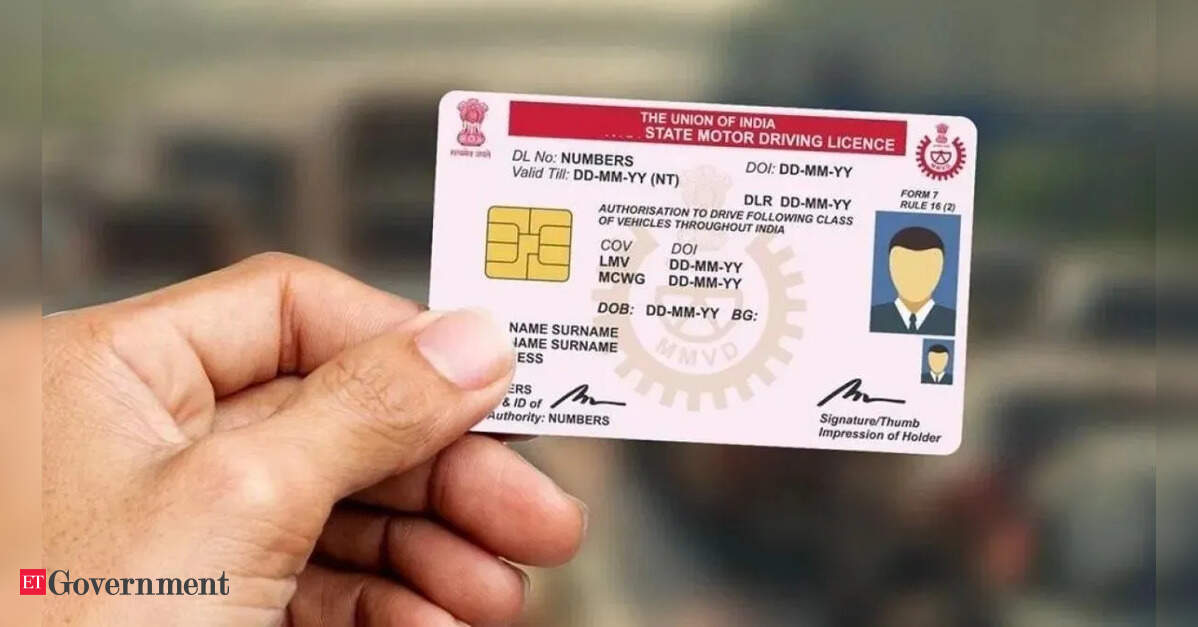
One of the most notable proposals is the introduction of different background colour schemes for driving licences issued to Indian nationals and foreign nationals.
Under the proposed amendments, licences would also explicitly mention the holder’s nationality. The documents would continue to be issued in a prescribed laminated or polyvinyl chloride (PVC) card format.
The move is expected to make it easier for licensing authorities to distinguish between the two categories of licence holders and verify relevant information.
However, the government has not yet announced the final colours for each category or a confirmed implementation date. Since the amendments remain at the draft stage, applicants should not assume that existing driving licences will immediately need to be replaced. <Cite refs={[“turn323804search0″,”turn323804search1”]}/>
2. More Information Could Become Mandatory
The draft proposes expanding the information recorded on driving licences. In addition to existing details, the licence would include the holder’s blood group, mobile number and emergency contact information.
The proposed changes also include additional information fields, such as nationality and certain medical details. These measures are intended to improve identification and help authorities access important information when required.
The proposed licence format would also use a QR-code-readable zone instead of the existing machine-readable zone, according to reports on the draft amendments.
If implemented, these changes could make driving licences more useful for verification and emergency-related purposes. Applicants would, however, need to check the final rules to understand which information must be provided and how it will be recorded. <Cite refs={[“turn323804search0″,”turn323804search1”]}/>
3. Stricter Safe-Driving Assessment for Learners
The government has also proposed making the online safe-driving tutorial assessment more demanding.
Under the draft, the qualifying score would increase from the existing 60 per cent to 75 per cent. The tutorial would have to last at least 30 minutes, while applicants would get 15 days to complete it instead of the existing seven-day period.
The proposed changes are aimed at ensuring that learner drivers have a better understanding of traffic rules, road signs and safe driving practices before proceeding through the licensing process.
A higher passing score could encourage applicants to take road safety more seriously. However, the overall effectiveness of the measure will depend on the quality of the tutorial and how well the assessment evaluates applicants’ knowledge.
4. Changes to Documents Required for Applications
Another important proposal concerns the documents accepted as proof of age, address and identity.
The ministry has proposed clearer, separate lists of acceptable documents for these purposes. Depending on the category, the listed documents include Aadhaar, passports, voter identity cards, e-ration cards, birth certificates, educational certificates and specified government-issued identity documents.
Recent electricity or household gas bills may also be accepted as address proof under the proposed framework, subject to the prescribed conditions. Foreign applicants would need to provide proof of their legal presence in India, along with the relevant supporting documents.
The draft also proposes discontinuing the acceptance of affidavits sworn before an executive magistrate or notary, as well as life insurance policies, as substitutes for prescribed age and address documents.
The objective is to reduce the risk of false addresses, incorrect dates of birth and other forms of documentation fraud. <Cite refs={[“turn323804search0″,”turn323804search1”]}/>
5. Online Services Could Become Easier and Faster
The proposed amendments also seek to simplify several driving licence services through online applications and Aadhaar authentication.
Certain fees for specified online services, including changes to personal details, may be waived when applicants use the prescribed Aadhaar-based authentication process.
The draft proposes that licensing authorities decide applications to update licence particulars within 15 days, with reasons provided if an application is rejected.
It also proposes that an address-change application left undecided for 30 days would be treated as approved. These provisions could reduce delays and improve transparency in the delivery of licence-related services.
6. When Will the New Rules Come Into Effect?
The proposals are part of a draft notification concerning amendments to the Central Motor Vehicles Rules, 1989. The draft was published in the Gazette of India in October 2026 and allows a period for objections and suggestions.
The government will consider the feedback before finalising the amendments. The proposed rules would come into force following final publication in the Official Gazette, subject to the terms of the final notification.
Read more like this:
- पंजाब चुनाव 2027: सुखबीर बादल का बड़ा बयान, बोले- समान विचारधारा वाले दलों से गठबंधन को तैयार; BJP के साथ फिर जुड़ने के संकेत
- मराठा आरक्षण आंदोलन रोकने के लिए 500 करोड़ रुपये देने का आरोप, जरांगे पाटिल के दावे से महाराष्ट्र की राजनीति में भूचाल; एकनाथ शिंदे ने किया इनकार
Conclusion
The proposed colour-coded driving licence system represents a potential change in how India identifies and verifies licence holders. Alongside separate formats for Indian and foreign nationals, the government is considering stricter learner assessments, additional licence details, clearer document requirements and improved online services.
For now, these measures remain proposals rather than fully implemented rules. Drivers and applicants should follow official announcements from the Ministry of Road Transport and Highways before making changes to their applications or existing licences.