Join
 Shorts

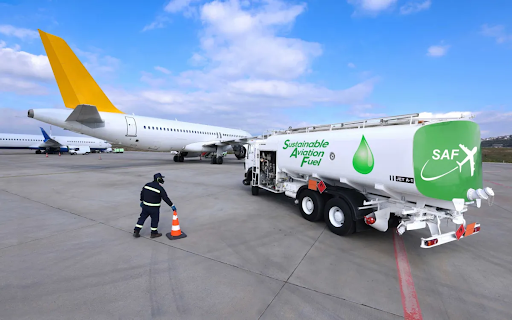
India is preparing to introduce a requirement blending 1% Sustainable Aviation Fuel (SAF) with conventional aviation turbine fuel (ATF) for international flights from January 2027. The move is part of the country’s efforts to reduce carbon emissions from aviation, strengthen domestic clean-fuel production and meet international climate commitments.
The proposed requirement marks an important step towards making India’s aviation sector more environmentally sustainable. However, industry stakeholders have raised concerns about the readiness of the national SAF policy, the availability of sustainable fuel and the framework for carbon credits as the implementation deadline approaches. The government has been working on a phased roadmap to increase SAF usage in the coming years.
What Is Sustainable Aviation Fuel?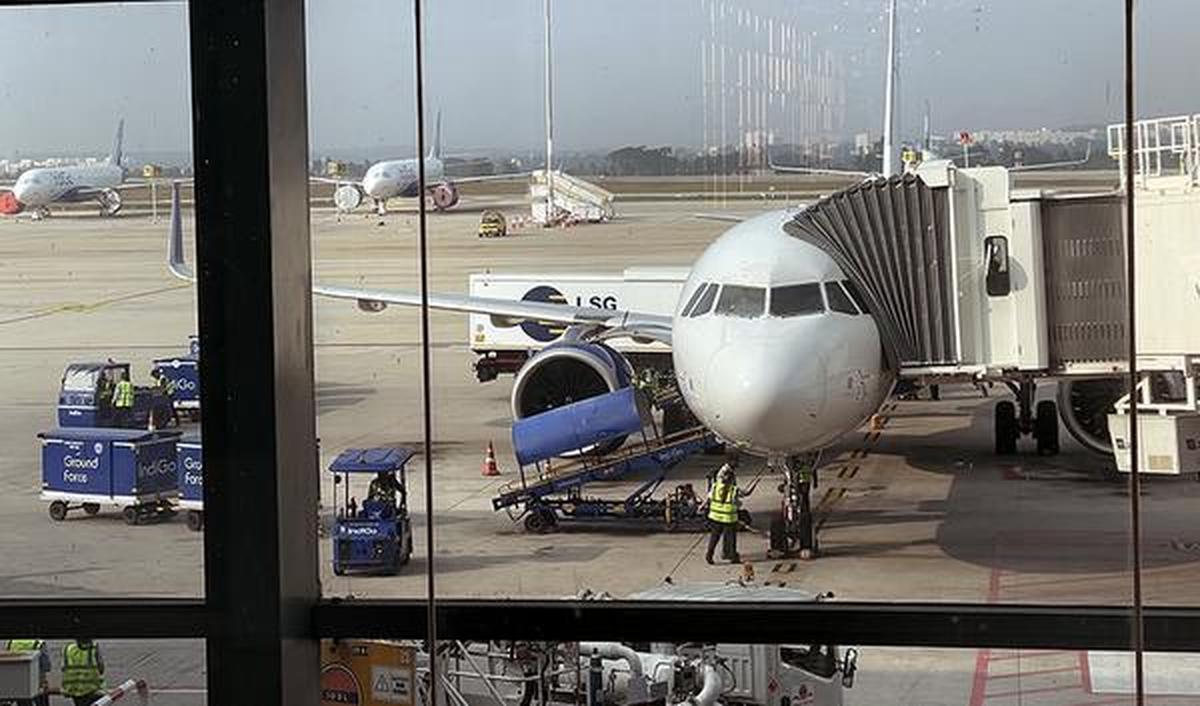
Sustainable Aviation Fuel is an alternative to conventional jet fuel. It can be produced from various renewable feedstocks, including used cooking oil, agricultural residues, biogenic waste and other eligible sustainable resources.
Unlike conventional aviation fuel, which is derived primarily from crude oil, SAF can help reduce greenhouse gas emissions over its life cycle. Depending on the production method and raw materials used, it can significantly lower carbon emissions compared with traditional jet fuel.
SAF is designed to work with existing aircraft engines when it meets the required technical and safety standards. It can also be blended with conventional aviation fuel, allowing airlines to reduce their carbon footprint without requiring an immediate replacement of their existing aircraft fleets.
India’s SAF Blending Roadmap
The Indian government has outlined a phased approach to increasing SAF use in international aviation. The indicative targets are:
- 2027: 1 per cent SAF blending.
- 2028: 2 per cent SAF blending.
- 2030: 5 per cent SAF blending.
These targets are intended to encourage the development of domestic production facilities, improve fuel availability and prepare airlines and fuel suppliers for increasingly stringent environmental requirements.
The government has also taken steps to bring SAF-blended aviation fuel within the regulatory framework governing aviation turbine fuel. In April 2026, an amendment to the Aviation Turbine Fuel Control Order recognised SAF-blended fuel within the relevant regulatory system, supporting the implementation of the country’s clean-fuel plans.
Link with International Climate Commitments
The proposed SAF requirement is closely connected with the Carbon Offsetting and Reduction Scheme for International Aviation (CORSIA), established by the International Civil Aviation Organization (ICAO).
CORSIA aims to address the growth of carbon emissions from international aviation through emissions monitoring, reporting and offsetting arrangements. Its mandatory phase begins in 2027 for participating states and covered international aviation activities.
Increasing the use of eligible SAF can help airlines reduce the emissions associated with their international operations and lower the amount of carbon offsetting required under applicable rules.
India’s preparation for the 2027 deadline therefore involves coordination among the Ministry of Civil Aviation, the Ministry of Petroleum and Natural Gas, fuel producers, airlines, airport operators and regulatory authorities.
Challenges Facing the Aviation Industry
Despite the environmental benefits, implementing the proposed requirement will not be without challenges. One of the biggest concerns is the cost of producing SAF, which can be higher than that of conventional aviation fuel.
Higher production costs could place additional financial pressure on fuel suppliers and airlines. Depending on how these costs are managed, some of the financial impact could eventually affect ticket prices. The government has indicated that it wants implementation to be as cost-effective as possible.
Another challenge is ensuring a reliable supply of eligible sustainable feedstocks. India will need adequate collection systems for waste oils and agricultural residues, as well as investment in refining technology and commercial-scale production facilities.
The industry will also require clear rules for fuel certification, emissions accounting, monitoring and reporting. Without a transparent framework, airlines and suppliers could face uncertainty when planning investments and meeting international obligations.
Opportunities for India
The transition to SAF could create new opportunities for India’s energy and agricultural sectors. Domestic production could encourage investment in biofuel refineries, generate employment and create additional value from agricultural waste and used cooking oil.
Indian Oil Corporation has already received international sustainability certification for SAF production at its Panipat refinery. Such developments could help strengthen India’s production capabilities and support the emergence of a domestic SAF supply chain.
In the longer term, a stronger SAF industry could help India reduce dependence on fossil fuels while positioning the country as a potential supplier of sustainable aviation fuels to international markets.
Read more like this:
- I&B मंत्रालय की एडवाइजरी: टीवी चैनलों को ‘राष्ट्र-विरोधी’ भावनाओं को बढ़ावा देने से बचने की सलाह
- 23 अक्टूबर को देशव्यापी SIR विरोध प्रदर्शनों में शामिल होंगे अर्थशास्त्री प्रभाकर, दीपके, प्रकाश राज और नेहा भी लेंगी हिस्सा
Conclusion
India’s proposed 1 per cent SAF blending requirement for international flights from January 2027 represents an important step towards cleaner aviation. The subsequent targets of 2 per cent in 2028 and 5 per cent by 2030 demonstrate the country’s ambition to gradually expand the use of sustainable fuels.
However, the success of this initiative will depend on timely policy implementation, affordable production, reliable feedstock supplies and effective coordination among industry stakeholders.
As the deadline approaches, India faces the challenge of balancing environmental commitments with the economic realities of aviation. A clear regulatory framework and sustained investment will be essential to ensure that the transition delivers meaningful emissions reductions without placing an excessive burden on airlines and passengers.