Join
Join
 Shorts

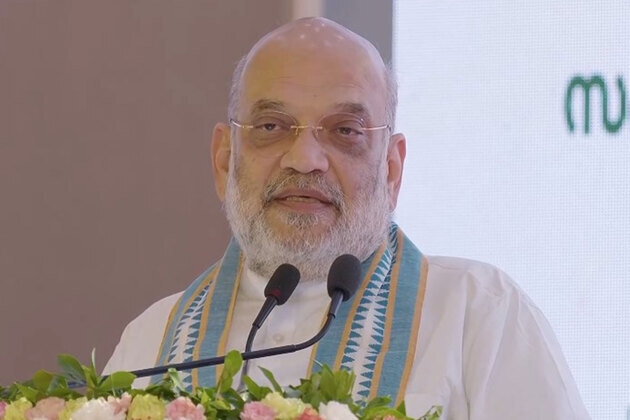
Bay of Bengal Initiative for Multi-Sectoral Technical and Economic Cooperation (BIMSTEC) has emerged as an important platform for promoting regional integration, economic cooperation and security among countries in South and Southeast Asia. Union Home Minister Amit Shah has highlighted the growing significance of BIMSTEC in strengthening regional partnerships, encouraging economic development and addressing common security challenges. The platform reflects the shared commitment of its member countries to peace, stability, connectivity and prosperity.
BIMSTEC comprises seven member nations: India, Bangladesh, Bhutan, Nepal, Sri Lanka, Myanmar and Thailand. These countries share geographical proximity, historical connections and significant economic opportunities. The Bay of Bengal serves as a vital link between South Asia and Southeast Asia, making regional cooperation essential for trade, transportation, energy security and people-to-people exchanges.
Strengthening Regional Integration
Regional integration is one of the principal objectives of BIMSTEC. By bringing together countries from two closely connected regions, the organisation provides a framework for dialogue, collaboration and collective action. It encourages member states to work together on common priorities and develop stronger political, economic and cultural relationships.
India plays an important role in BIMSTEC because of its geographical position, economic strength and strategic interests in the Indo-Pacific region. For India, the organisation complements its Neighbourhood First policy and Act East policy. It also creates opportunities to strengthen ties with neighbouring countries and expand cooperation with Southeast Asian nations.
Regional integration through BIMSTEC can help reduce barriers to cooperation, improve infrastructure and facilitate the movement of goods, services and people. Better connectivity between member states can also promote tourism, educational exchanges and cultural understanding.
Promoting Economic Cooperation and Trade
Economic cooperation remains a major pillar of BIMSTEC. The member countries possess considerable potential in sectors such as agriculture, manufacturing, fisheries, tourism, information technology, energy and maritime trade. Greater coordination can help them utilise these opportunities and create new avenues for economic growth.
Improved road, rail, port and shipping connectivity can reduce transportation costs and strengthen regional supply chains. Cooperation in trade facilitation, investment and digital technology can also benefit businesses, entrepreneurs and small industries across the region.
BIMSTEC can contribute to economic resilience by encouraging countries to diversify trade partnerships and build stronger regional markets. Joint initiatives in renewable energy, food security and technological innovation can further support sustainable development. However, achieving these objectives requires effective implementation of agreements, adequate infrastructure and sustained political commitment from all member nations.
Enhancing Regional Security
Security cooperation is another important dimension of BIMSTEC. The region faces several shared challenges, including terrorism, transnational organised crime, human trafficking, drug smuggling, cybercrime and maritime security threats. These problems often cross national borders and therefore require coordinated responses.
Cooperation among law enforcement agencies, intelligence-sharing mechanisms and joint capacity-building initiatives can help member countries address emerging threats more effectively. Maritime security is particularly significant because the Bay of Bengal carries important commercial shipping routes and supports the livelihoods of millions of people.
BIMSTEC can also strengthen cooperation in disaster management and humanitarian assistance. The region is vulnerable to cyclones, floods, earthquakes and other natural disasters. Sharing early-warning information, improving emergency response systems and conducting joint preparedness exercises can reduce the impact of such emergencies.
India’s Strategic Interests
For India, BIMSTEC represents an important mechanism for advancing regional cooperation and strengthening its position in the wider Indo-Pacific region. It provides an avenue for engagement with neighbouring countries while supporting connectivity between South and Southeast Asia.
The organisation is also significant because cooperation within the Bay of Bengal region can complement broader efforts to promote a free, open, peaceful and prosperous Indo-Pacific. Stronger regional partnerships can contribute to stability, economic opportunities and mutual trust.
At the same time, BIMSTEC must address challenges such as differences in economic capacity, infrastructure gaps, political uncertainties and delays in implementing regional projects. Regular dialogue, practical cooperation and clear development priorities will be essential to overcoming these obstacles.
Read more like this:
- राहुल गांधी के घर होगी ‘चाय पर चर्चा’, इंडी ब्लॉक के नेताओं संग नई रणनीति पर होगा मंथन
- Indian Navy Commissions Third Anti-Submarine Warfare Craft INS Mangrol in Mumbai
Conclusion
BIMSTEC has steadily gained importance as a platform for regional integration, economic cooperation and collective security. As highlighted by Union Home Minister Amit Shah, its significance lies in the opportunities it offers for countries to work together on shared challenges and common development goals.
By strengthening trade, improving connectivity, enhancing security cooperation and promoting sustainable development, BIMSTEC can contribute to a more interconnected and prosperous Bay of Bengal region. Its future success will depend on the commitment of all seven member states to translate shared objectives into concrete outcomes. Greater cooperation within BIMSTEC can ultimately strengthen regional stability, build mutual trust and create lasting benefits for the people of South and Southeast Asia.