Join
Join
 Shorts

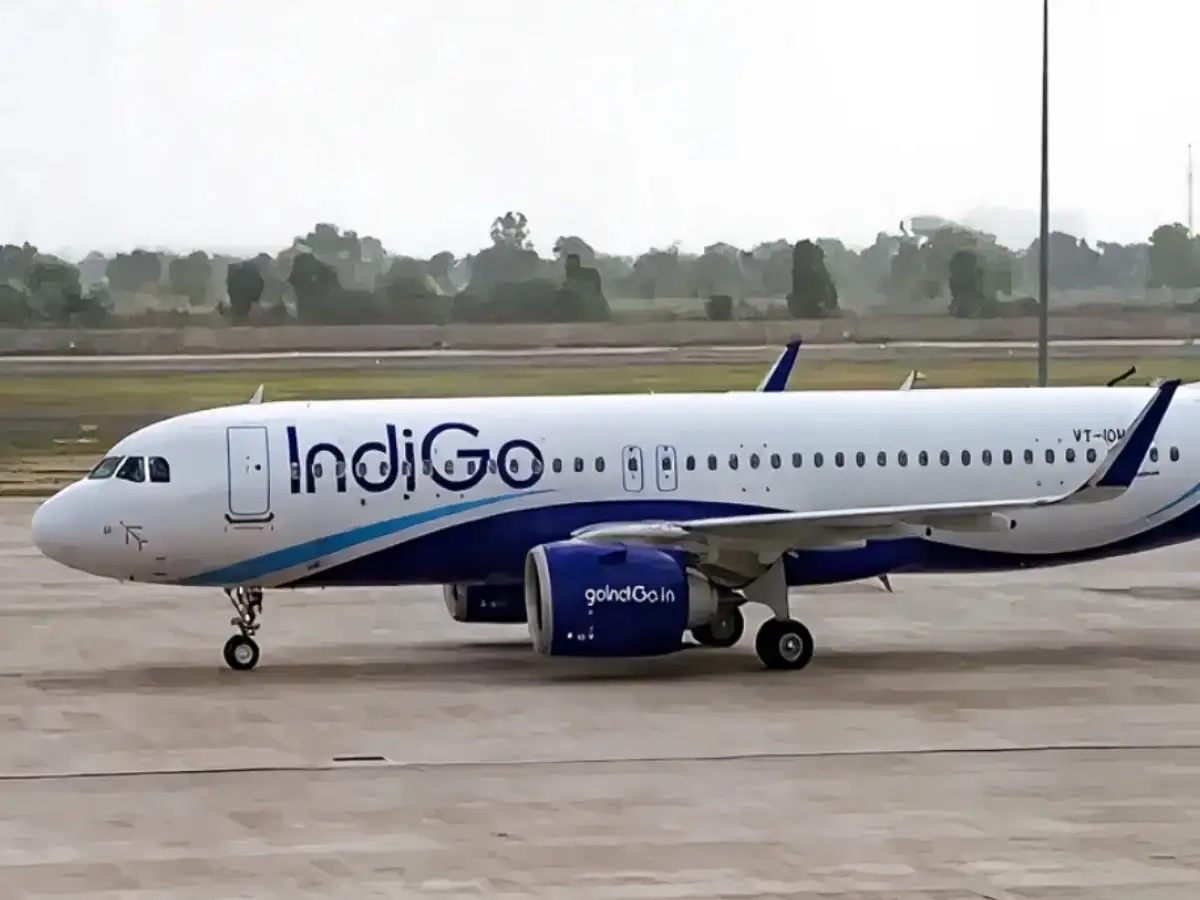
Air travellers flying with IndiGo will have to pay more from October 6 as the airline has announced a fresh increase in fuel charges on both domestic and international flights. The revision comes amid a sharp rise in Aviation Turbine Fuel (ATF) prices, which has increased operating costs for airlines.
IndiGo announced on October 5 that the revised fuel charges will apply to all new bookings made from 12:01 am on October 6, 2026. The additional amount will depend on the distance of the journey, meaning passengers on longer routes are likely to face a higher increase in their overall ticket price.
The move is the latest example of airlines passing at least part of the impact of higher jet-fuel costs on to passengers.
How much more will domestic passengers pay?
For domestic flights, IndiGo’s latest revision will increase the fuel component by around Rs 100 to Rs 350 per passenger per sector, depending on the distance of the flight. Reports indicate that the additional charge can go up to about Rs 1,300 for certain longer domestic journeys when the applicable fuel-charge structure and route are taken into account.
This means that a passenger booking a short domestic flight could see a relatively modest increase, while travellers flying longer distances could face a more noticeable addition to their final fare.
For example, if two passengers book a flight on the same route, the extra fuel charge would generally be calculated per passenger and per sector. On a return journey, therefore, the additional cost can effectively apply twice.
It is important to remember that the fuel charge is only one component of the total airfare. Passengers may also have to pay applicable taxes, airport charges and other fees depending on the booking.
International flights will also become more expensive
The increase is not limited to domestic operations. IndiGo has also revised fuel charges for its international flights.
The airline has cited the continuing volatility in ATF prices as the reason for the latest increase. Since international flights generally cover substantially longer distances and consume more fuel, the additional financial impact can be considerably higher on some routes.
Reports indicate that international passengers could face significantly higher additional charges depending on the destination and sector. The final increase in the ticket price will therefore vary from route to route.
Travellers planning international holidays or business trips may want to compare fares carefully before booking, particularly if they have flexibility over travel dates.
Why is IndiGo increasing the fuel charge?
The central reason is the sharp increase in aviation turbine fuel prices.
Fuel represents one of the largest operating expenses for an airline. When ATF becomes more expensive, airlines face higher costs for every flight they operate. IndiGo has said that ATF prices have been rising and remain volatile, putting pressure on its operating expenses.
The airline had already introduced and revised fuel charges earlier in 2026 following a surge in aviation fuel prices. In April, IndiGo said that the significant rise in fuel prices had forced it to revise the fuel-charge structure for new bookings.
The latest increase shows that fuel-price pressure has continued rather than being a temporary development.
What does the fuel charge mean for your ticket?
The fuel charge is essentially an additional amount added to the airfare to partially offset higher fuel costs.
It does not mean that the entire increase in ATF prices is being passed on to customers. Airlines often absorb part of the increase because a very steep rise in fares can reduce demand.
For passengers, however, the effect is straightforward: the final amount payable at the time of booking will be higher for new tickets covered by the revised charges.
The exact increase will depend on the route, passenger count and whether the journey is one-way or return.
What about existing bookings?
The revised charges are applicable to new bookings made from October 6. Therefore, passengers who have already purchased their tickets before the effective time are not being asked to pay the new fuel charge simply because the airline has revised its pricing.
However, passengers making a new booking, changing an existing reservation or purchasing another sector should carefully check the fare conditions because the applicable fuel charge can form part of the revised fare calculation.
IndiGo’s own customer information also shows that fuel surcharge is incorporated into certain fare and change calculations.
Why fuel prices matter so much to airlines
Unlike many businesses, airlines have limited flexibility when fuel prices rise sharply. Aircraft cannot operate without jet fuel, and even relatively small changes in fuel prices can have a significant effect on operating costs across a large network.
An airline operating hundreds or thousands of flights every day can therefore face a substantial increase in expenses when fuel prices rise.
The impact becomes even more significant on long-haul international routes, where aircraft consume large quantities of fuel during each flight.
What passengers should do
Travellers planning to fly with IndiGo after October 6 should check the final fare rather than only the advertised base price. Comparing the total amount payable across different airlines and travel dates can help passengers find the most economical option.
Those with flexible travel plans may also benefit from booking earlier, although airfares remain subject to demand, availability and dynamic pricing.
The latest move also highlights a broader trend in the aviation industry: volatile fuel prices can quickly translate into higher airfares.
Read more like this:
- ‘फॉर्म 6 में किसने बदलाव किया, फैसला सर्वसम्मति से हुआ या बहुमत से?’ CEC के निलंबन की मांग सुप्रीम कोर्ट ने ठुकराई
- रात 10 बजे भी हर महिला सुरक्षित महसूस करे’: रेप की घटनाओं पर सुप्रीम कोर्ट सख्त, केंद्र और दिल्ली पुलिस को फटकार
Indigo Bottom line
IndiGo’s latest fuel-charge hike means passengers will have to pay more for new domestic and international bookings from October 6, 2026. Domestic travellers can expect an increase of roughly Rs 100 to Rs 350 per passenger per sector on applicable routes, while the impact on longer and international journeys can be substantially higher.
The airline says the revision is necessary because of elevated and volatile ATF prices. For travellers, the practical takeaway is simple: check the final ticket price carefully, because the fuel component will now add to the overall cost of flying with IndiGo.