Join
Join
 Shorts

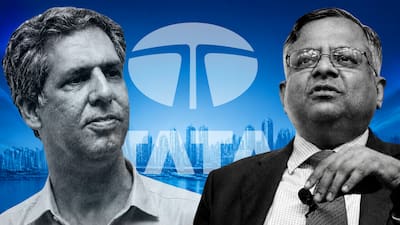
The internal dispute at Tata Sons has intensified, with the controversy extending beyond the continuation of N Chandrasekaran as executive chairman. The latest developments indicate a broader disagreement involving corporate governance, the proposed stock-market listing of Tata Sons and the balance of authority between Tata Trusts and the company’s board.
On September 17, 2026, the Tata Sons board approved Chandrasekaran’s reappointment for another five-year term through a majority vote. However, Noel Tata, chairman of Tata Trusts and a nominee director on the Tata Sons board, opposed the decision and described it as legally invalid.
The dispute has brought questions about leadership succession, shareholder rights and the future structure of one of India’s largest business groups into sharp focus.
Disagreement Over Chandrasekaran’s Reappointment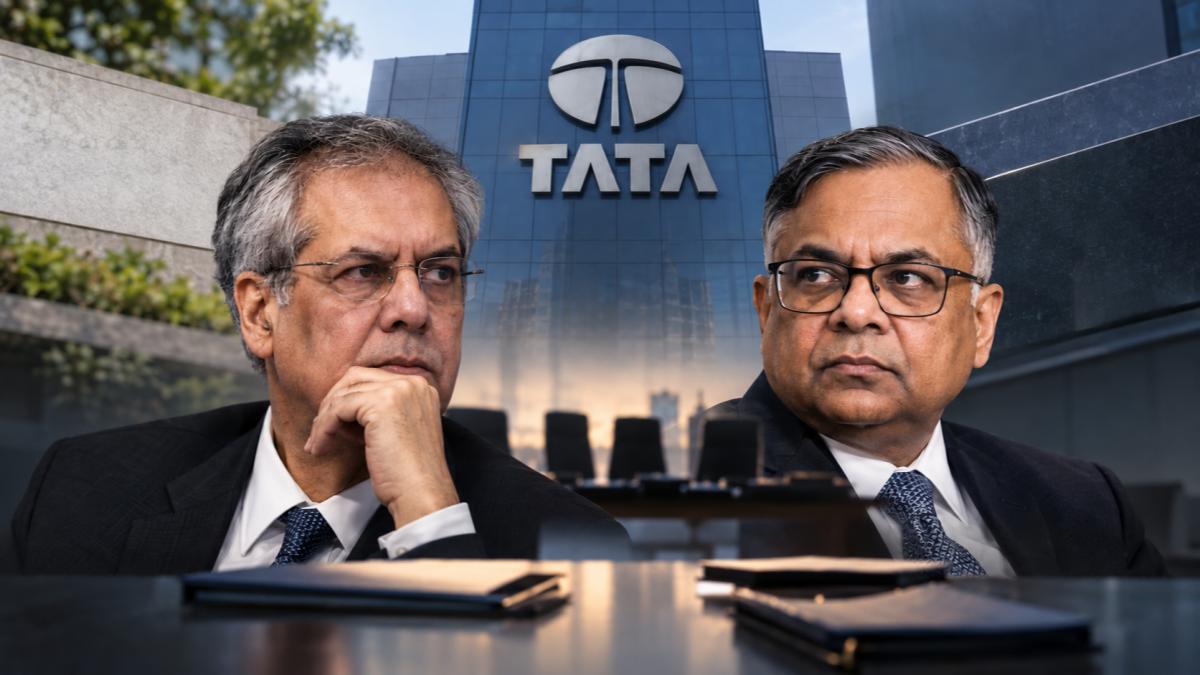
N Chandrasekaran has served as chairman of Tata Sons since February 2017 and was reappointed for a second term in 2022. His current term is scheduled to end in February 2027.
The question of his continuation had remained unresolved for several months. In August 2026, Chandrasekaran reportedly stated that he would not seek another term after the board failed to reach a consensus. Later, the Nomination and Remuneration Committee requested him to reconsider his decision.
Following that request, Chandrasekaran agreed to reconsider, and the board subsequently approved his reappointment for five years. Tata Sons said the decision was taken by a majority vote and reflected the board’s request that he continue leading the group.
Noel Tata, however, argued that the decision violated the company’s Articles of Association. According to the Tata Trusts’ position, the appointment of the chairman requires the support of a majority of the Trusts’ nominee directors. Since Noel Tata voted against the resolution, he maintained that the decision was legally void.
The disagreement has therefore shifted from a question of leadership preference to a debate over the interpretation of the company’s governance rules.
Tata Trusts’ Role in the Group
Tata Trusts holds approximately 66 percent of Tata Sons, making it the controlling shareholder of the holding company. Tata Sons, in turn, is the principal holding entity for the wider Tata Group, which operates across sectors including information technology, automobiles, steel, aviation, retail and financial services.
Because of its significant ownership, Tata Trusts has considerable influence over major decisions at Tata Sons. Its nominees on the company’s board play an important role in decisions involving leadership and long-term strategy.
The latest dispute has revealed differences between the two Trust-nominated directors, Noel Tata and Venu Srinivasan. While Noel Tata opposed Chandrasekaran’s reappointment and the proposed listing, Srinivasan reportedly supported the board’s resolutions.
The split has raised questions about whether consensus among the Trusts’ representatives can be maintained on major strategic decisions.
The Tata Sons IPO Dispute
The second major issue at the centre of the conflict is the proposed listing of Tata Sons on the stock market. The company has faced regulatory pressure after the Reserve Bank of India classified it as an upper-layer non-banking financial company in 2022.
Under the applicable regulatory framework, Tata Sons may be required to list its shares unless it secures an exemption or adopts another arrangement permitted by the regulator. The company’s board has now decided to initiate steps towards complying with RBI requirements and to seek guidance from the regulator and other stakeholders.
Noel Tata has opposed the proposed listing. He has argued that taking Tata Sons public could change the character of the group and affect its long-standing philanthropic model. Tata Trusts has reportedly asked the company to explore alternatives to listing and examine all available options.
The listing question is significant because Tata Sons acts as the central holding company for the group. A public offering could increase transparency and provide access to capital, but it could also introduce new shareholder expectations and alter the company’s traditional ownership structure.
Governance and Strategic Differences
The disagreement comes against the background of broader concerns about the performance of certain unlisted businesses within the Tata Group. Noel Tata has reportedly raised questions about losses and capital allocation in businesses including Air India and Tata Digital.
The group has invested heavily in sectors such as aviation, semiconductors, digital services and electric vehicles. These businesses require substantial capital and may take several years to generate returns. Differences over investment priorities, financial performance and risk management can therefore influence the relationship between the board and the Trusts.
The current dispute reflects a larger question: who should determine the strategic direction of Tata Sons—the management and board, or the controlling charitable trusts? The answer depends on the company’s constitutional documents, regulatory requirements and the responsibilities of its directors.
Possible Legal and Corporate Consequences
The disagreement could lead to further legal scrutiny if the validity of the board’s decisions is formally challenged. The interpretation of Tata Sons’ Articles of Association will be central to determining whether the board could approve the chairman’s reappointment without the agreement of both Trust-nominated directors.
The listing proposal may also face additional deliberation at shareholder and regulatory levels. Since Tata Trusts holds a majority stake, its position will be important in any shareholder approval process.
At the same time, the Shapoorji Pallonji Group, which holds a significant minority stake in Tata Sons, has supported the possibility of a listing. This adds another dimension to the debate over the company’s future ownership and governance model.
Read more like this:
- रूसी तेल खरीद पर अमेरिकी कानून भारत की संप्रभुता का अपमान: कांग्रेस
- पासपोर्ट नियमों में बड़ा बदलाव: 15 साल से कम उम्र के बच्चों के पासपोर्ट की वैधता अब पांच साल
What Lies Ahead for Tata Sons?
The immediate focus will be on whether Chandrasekaran’s reappointment receives the necessary approvals and whether the company can resolve the disagreement with Tata Trusts. The board’s decision has not ended the controversy, as Noel Tata has questioned its legality.
The group must also address the regulatory process concerning the possible IPO while managing differences over its long-term business strategy. Maintaining institutional stability will be important for employees, investors, lenders and the companies operating under the Tata umbrella.
The dispute demonstrates that the current challenge at Tata Sons is not limited to the identity of its chairman. It involves the distribution of authority, the future of the holding company, regulatory compliance and the relationship between ownership and management.
How the Trusts, board and regulators handle these questions will shape Tata Sons’ governance structure and strategic direction in the years ahead.