Join
Join
 Shorts

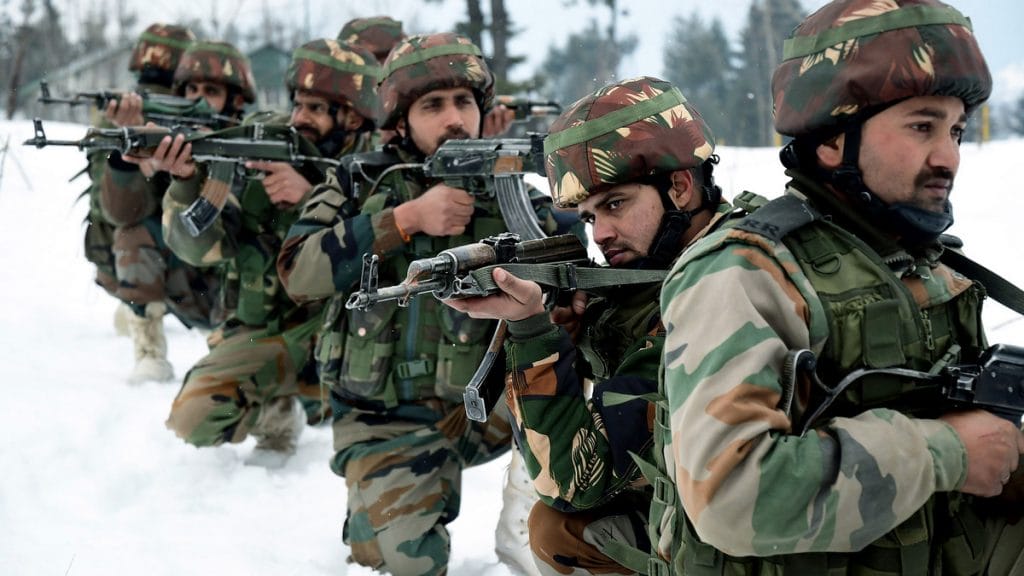
India and China may be moving towards greater diplomatic engagement, but the security challenge along their disputed Himalayan frontier remains far from settled. China’s growing use of what strategists describe as grey zone tactics is forcing India to prepare for a form of confrontation that falls somewhere between peace and conventional war.
The central idea behind “armed coexistence” is that India may have to maintain strong military preparedness while simultaneously managing diplomatic and economic engagement with China. The objective would be to prevent escalation without allowing persistent pressure below the threshold of war to weaken India’s position.
What Is Grey Zone Warfare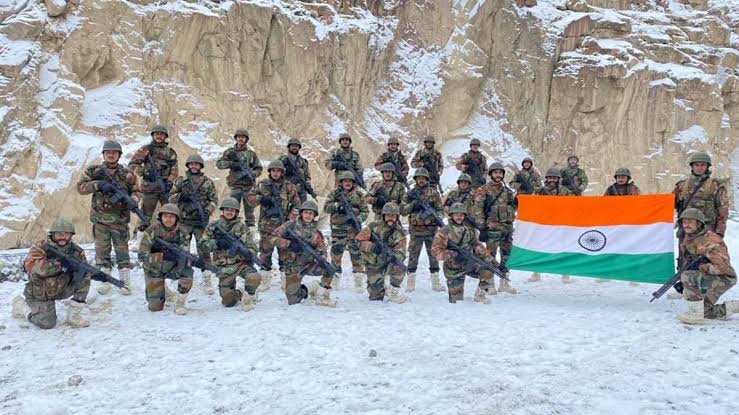
Grey zone warfare refers to actions designed to achieve strategic objectives without crossing the threshold that would normally trigger a full scale military response.
Instead of launching a conventional attack, a country can combine military pressure, information operations, cyber activity, diplomatic manoeuvring, economic influence and gradual changes on the ground.
Such tactics create a difficult challenge because the targeted country must decide how to respond without unnecessarily escalating the situation.
China’s Use of Multiple Pressure Tools
China has increasingly demonstrated the ability to combine military and non military instruments to advance its strategic interests.
Along the India China border, pressure can involve patrols, infrastructure development, military deployments, surveillance and attempts to strengthen positions in disputed areas. Beyond the physical border, cyber operations, information campaigns and diplomatic pressure can add another layer to the confrontation.
The purpose of such tactics is not necessarily to start a war. Instead, they can seek to alter the situation gradually while keeping the confrontation below the level of open conflict.
The Himalayan Border Remains Sensitive
The Line of Actual Control remains one of the most sensitive security zones for India.
Different perceptions of the LAC have historically resulted in face offs and confrontations between Indian and Chinese forces. The 2020 Galwan Valley clash demonstrated how quickly a border confrontation can turn deadly.
Although both countries have since worked through diplomatic and military channels to stabilise the situation, the underlying boundary dispute remains unresolved.
Why India Needs a Long Term Strategy
India cannot rely solely on conventional military strength to deal with grey zone challenges.
The country needs a broader strategy involving intelligence, surveillance, cyber security, infrastructure, diplomacy, economic resilience and information management.
Strong intelligence capabilities can help detect unusual activity early, while better surveillance can provide a clearer picture of developments along the border. Rapid decision making can then prevent small incidents from developing into larger crises.
Infrastructure Is a Strategic Requirement
Border infrastructure has become increasingly important in India’s response.
Roads, bridges, airfields, communication networks and logistics facilities allow Indian forces to respond rapidly to developments in difficult Himalayan terrain.
Improving infrastructure is therefore not simply an economic or connectivity project. It is also an important component of national security and deterrence.
India needs the ability to quickly reinforce vulnerable areas and maintain supplies even during prolonged periods of tension.
Cyber and Information Warfare
The grey zone challenge extends far beyond the mountains.
Modern strategic competition increasingly involves cyberspace and information. Cyberattacks can target government systems, critical infrastructure, financial networks and communication systems without a conventional military attack.
Disinformation and propaganda can also influence public opinion and create confusion during a crisis.
India therefore needs stronger cyber defences and effective mechanisms for identifying and countering misleading information while maintaining public trust.
The Meaning of Armed Coexistence
Armed coexistence does not necessarily mean preparing for permanent war.
Instead, it means accepting that competition and cooperation can exist simultaneously. India can maintain diplomatic engagement with Beijing while ensuring that its military remains prepared for unexpected developments.
Such an approach requires deterrence without unnecessary escalation. India must be capable of defending its interests while continuing dialogue and confidence building measures wherever possible.
Diplomacy Will Remain Important
Military preparedness alone cannot resolve the India China boundary dispute.
Diplomatic channels remain essential for preventing misunderstandings and managing crises. Existing mechanisms for military and diplomatic communication can help both sides address incidents before they escalate.
India’s objective would be to maintain a balance between firmness and engagement, ensuring that dialogue does not come at the cost of national security.
Economic Resilience Matters
Economic strength is another important component of long term strategic competition.
A resilient domestic economy reduces vulnerability to external pressure. Strengthening manufacturing, technology, supply chains, critical minerals and domestic capabilities can give India greater strategic flexibility.
Reducing excessive dependence on any single external source can also help India respond more confidently during periods of geopolitical tension.
Preparing for Prolonged Competition
The biggest lesson from China’s grey zone strategy is that strategic competition may not always arrive in the form of a traditional war.
Pressure can build gradually through infrastructure, military positioning, cyber operations, diplomatic manoeuvring and information campaigns.
India therefore needs institutions capable of dealing with a prolonged contest rather than preparing only for a sudden conventional conflict.
Read more like this :
What Lies Ahead
India China relations are likely to remain a complicated mixture of competition, cooperation and strategic distrust.
The possibility of improved diplomatic relations does not eliminate the need for military preparedness. Instead, it makes effective deterrence and crisis management even more important.
For India, “armed coexistence” could ultimately mean maintaining peace through strength while keeping diplomatic channels open. The goal would be to ensure that grey zone pressure cannot gradually change realities on the ground while avoiding unnecessary escalation into a major conflict.
As strategic competition between the two Asian powers continues, India’s ability to combine military preparedness, technological strength, economic resilience and diplomacy will determine how effectively it can protect its interests in an increasingly contested region.