Join
Join
 Shorts

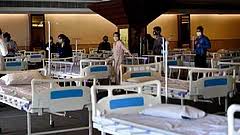
Gujarat has reported 22 child deaths linked to the Chandipura virus during the ongoing monsoon season, raising concerns among health authorities. The virus, which primarily affects children, is known to spread during the rainy months when sandflies and other vectors become more active.
The increase in cases has prompted the state health department to intensify surveillance, strengthen disease monitoring, and launch awareness campaigns in affected districts. Medical teams have also been deployed to identify suspected cases at an early stage and provide immediate treatment.
What Is Chandipura Virus?
Chandipura virus is a rare viral infection belonging to the Rhabdoviridae family. It mainly affects children below the age of 15 and is transmitted through the bite of infected sandflies, although researchers continue to study its transmission patterns.
The infection can progress rapidly and affect the brain, making early diagnosis and treatment extremely important. Health experts advise parents to seek immediate medical attention if children develop symptoms associated with the disease.
Symptoms of the Infection
Doctors have stated that Chandipura virus infection usually begins with high fever, severe headache, vomiting, weakness, and body pain.
In some patients, the illness may rapidly progress to neurological complications such as confusion, seizures, unconsciousness, and acute encephalitis. Because the disease can worsen within a short period, timely hospitalisation is considered critical for improving outcomes.
Parents have been urged not to ignore persistent fever or sudden changes in a child’s behaviour during the monsoon season.
Government Strengthens Health Response
Following the reported deaths, the Gujarat government has stepped up its public health response across affected regions.
Health officials have increased surveillance in hospitals and primary health centres, while rapid response teams are conducting field visits to identify suspected cases. Medical facilities have been instructed to remain prepared for early diagnosis and supportive treatment.
The administration has also intensified vector-control measures, including insecticide spraying and sanitation drives in vulnerable areas.
Preventive Measures for Families
Health authorities have advised families to take preventive precautions, especially in rural and semi-rural areas where sandflies are commonly found.
Parents have been encouraged to ensure that children sleep under mosquito or insecticide-treated nets, wear full-sleeved clothing, maintain clean surroundings, and avoid exposure to insect bites during evening and night hours.
Officials also stressed the importance of maintaining hygiene around homes and eliminating conditions that encourage the breeding of disease-carrying insects.
Doctors Urge Early Medical Attention
Medical experts have emphasised that there is no specific antiviral treatment for Chandipura virus, making early recognition and supportive care essential.
Doctors recommend that parents immediately consult a healthcare facility if a child develops high fever, repeated vomiting, convulsions, or altered consciousness. Prompt medical intervention can help manage complications and improve the chances of recovery.
Hospitals have also been instructed to report suspected cases without delay to strengthen disease surveillance.
Public Awareness Campaign Intensified
The state government has launched awareness campaigns through local health workers, schools, and community organisations to educate people about the virus.
Information regarding symptoms, preventive measures, and the importance of early treatment is being shared across affected districts. Officials believe that greater public awareness will help families recognise warning signs early and reduce the risk of severe illness.
Health departments are also working with local administrations to improve monitoring during the peak monsoon period.
Read more like this :
What Happens Next
Health authorities will continue monitoring Chandipura virus cases across Gujarat while strengthening surveillance and preventive measures in vulnerable areas.
The government has appealed to the public to remain alert, follow health advisories, and seek immediate medical care if symptoms appear in children. Officials expect that continued surveillance, public awareness, and rapid medical response will play a crucial role in limiting the spread of the virus and reducing further fatalities during the monsoon season.