Join
Join
 Shorts


In a major policy announcement aimed at restoring confidence in India’s public examination system, Prime Minister Narendra Modi has unveiled a high-powered task force on examination reforms, appointing Infosys co-founder and Aadhaar architect Nandan Nilekani as its chairman.
The initiative comes amid growing concerns over examination paper leaks and the need for comprehensive reforms to improve transparency, accountability, and technological resilience across the country’s competitive examination framework.
The announcement was made through a video message addressed directly to students, in which the Prime Minister reaffirmed the government’s commitment to protecting the future of millions of young aspirants. He emphasized that examinations must become reliable, transparent, secure, and technology-driven, while also assuring students that reforms would go beyond punitive action and focus on structural improvements.
A Major Push for Exam Reforms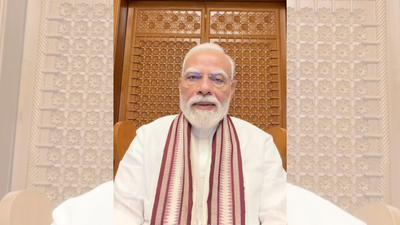
The newly constituted task force has been entrusted with preparing a comprehensive roadmap for transforming India’s examination ecosystem. According to the Prime Minister, the objective is not merely to prevent paper leaks but to redesign the entire examination process so that it becomes more efficient, credible, and resistant to malpractice.
Modi said the government had already initiated strict legal measures against those involved in compromising public examinations, including the establishment of fast-track courts and plans for stronger anti-paper leak legislation. However, he stressed that lasting reforms require technological innovation, institutional restructuring, and expert guidance.
Why Nandan Nilekani?
The choice of Nandan Nilekani has drawn considerable attention given his track record in leading some of India’s most ambitious technology initiatives.
Nilekani, who co-founded Infosys and later chaired the Unique Identification Authority of India (UIDAI), played a pivotal role in creating the Aadhaar digital identity ecosystem. His experience in designing secure, large-scale digital infrastructure is expected to be central to developing a modern examination system capable of handling millions of candidates while minimizing fraud and operational risks.
Government officials believe that his expertise in digital architecture and governance will help introduce technology-driven safeguards capable of significantly reducing opportunities for examination malpractice.
Multi-Disciplinary Expert Panel
The task force will not function as a technology committee alone. Instead, it brings together experts from multiple disciplines, including education, science, administration, cybersecurity, intelligence, and public policy.
According to government sources, the panel will recommend reforms covering examination security, digital infrastructure, operational processes, institutional accountability, and governance mechanisms. It is also expected to suggest structural improvements within the National Testing Agency (NTA), which conducts several of India’s largest entrance examinations.
The government believes that combining expertise from different sectors will produce a comprehensive blueprint rather than isolated technological solutions.
Focus on Technology and Transparency
One of the primary objectives of the task force is to maximize the use of technology throughout the examination process.
The panel is expected to examine measures such as secure digital question paper management, advanced encryption systems, AI-assisted monitoring, enhanced cybersecurity, biometric verification, improved examination logistics, and stronger digital audit trails.
Officials say these reforms are intended to make examinations not only leak-proof but also faster, more transparent, and easier to monitor at every stage.
PM’s Message to Students
Addressing students directly, Prime Minister Modi acknowledged the anxiety and uncertainty caused by repeated reports of examination irregularities.
He assured young aspirants that the government understands the emotional and academic impact such incidents have on students and their families. He reiterated that protecting honest candidates remains the government’s highest priority and said every effort would be made to restore trust in public examinations.
The Prime Minister emphasized that while strict punishment for offenders is essential, the larger goal is to build a system in which such incidents become increasingly difficult to occur.
Legislative Measures Underway
The announcement comes alongside the government’s broader efforts to strengthen the legal framework governing public examinations.
According to official statements, Parliament is expected to consider legislation introducing tougher penalties for examination fraud, including stronger punishment for organized paper leak networks and enhanced investigative powers.
Fast-track courts are also expected to play an important role in ensuring that examination-related offences are prosecuted quickly, preventing prolonged uncertainty for students awaiting recruitment or admission results.
Political and Public Context
The announcement follows months of public debate over examination integrity and widespread calls for reforms in the education system.
Student organizations, education experts, and several political parties have repeatedly urged the government to strengthen safeguards against examination malpractice. The issue gained national prominence after multiple controversies surrounding competitive examinations, prompting demands for systemic reforms rather than isolated administrative action.
While the government has presented the new task force as a long-term institutional reform initiative, opposition parties have questioned the timing and intent behind the announcement, arguing that implementation will be the true measure of success.
Expectations from the Task Force
Education policy experts believe the committee has an opportunity to recommend transformative reforms extending beyond paper leak prevention.
Potential areas of focus include modernization of examination infrastructure, digital identity verification, improved governance within testing agencies, standardized security protocols, greater accountability for examination authorities, and enhanced coordination between central and state institutions.
Many experts also expect recommendations on the future role of artificial intelligence, blockchain-based verification systems, secure cloud infrastructure, and real-time monitoring technologies in conducting large-scale public examinations.
Read more like this:
- AI Voice Cloning Scam: फोन पर आवाज पहचानना अब मुश्किल क्यों हो गया है
- Sarvam AI क्या है? भारत का अपना AI मॉडल जो ChatGPT को टक्कर दे रहा है (2026)
Looking Ahead
The government is expected to study the task force’s recommendations before implementing reforms in phases. Officials indicate that technology adoption, institutional restructuring, and legislative support will together form the foundation of India’s new examination framework.
For millions of students preparing for competitive examinations every year, the initiative represents an effort to rebuild confidence in a system that has faced repeated scrutiny in recent years.
Conclusion
Prime Minister Narendra Modi’s decision to establish a Nandan Nilekani-led task force marks one of the most significant education reform initiatives undertaken in recent years. By combining technological expertise with institutional reforms and stronger legal safeguards, the government aims to create a public examination system that is secure, transparent, efficient, and trusted by students across the country. Whether these reforms deliver lasting change will ultimately depend on how effectively the task force’s recommendations are translated into policy and implemented nationwide.