Join
Join
 Shorts

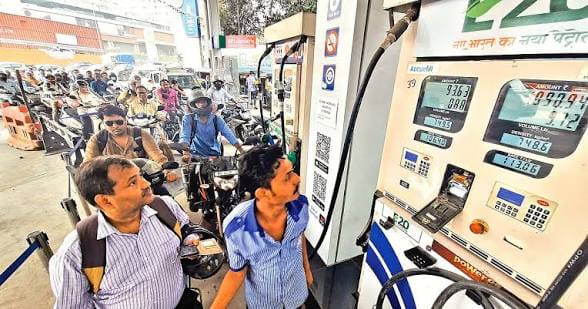
India’s transition to E20 petrol—a blend of 20% ethanol and 80% petrol—has emerged as one of the country’s most significant energy reforms in recent years. Designed to reduce dependence on imported crude oil, lower greenhouse gas emissions, and strengthen the domestic biofuel economy, the policy represents a major milestone in India’s clean energy roadmap.
However, while the government describes the transition as an environmental and economic success, the rollout has also triggered an intense public debate. Questions over vehicle compatibility, fuel efficiency, consumer choice, and infrastructure readiness have dominated discussions among motorists, automobile manufacturers, environmental experts, and policymakers.
What is E20 Petrol?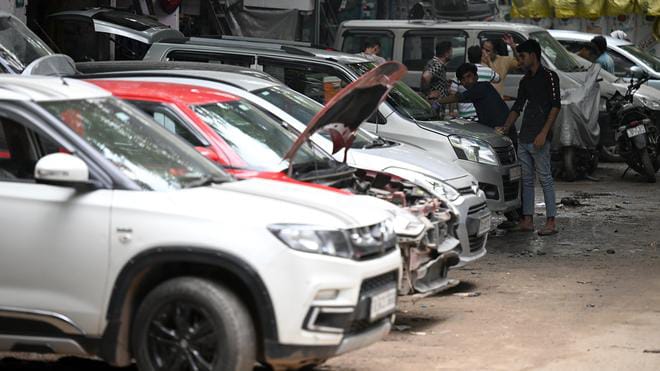
E20 fuel contains 20% ethanol, a renewable biofuel produced primarily from sugarcane, maize, and other agricultural feedstocks, blended with 80% conventional petrol.
The Indian government accelerated the introduction of E20 well ahead of its original timeline, completing nationwide implementation as part of its strategy to improve energy security and reduce reliance on imported fossil fuels.
Government’s Vision Behind the E20 Policy
The Centre has consistently defended the E20 programme as a crucial component of India’s transition toward cleaner transportation.
According to policymakers, the initiative serves multiple objectives simultaneously. By replacing a portion of petrol with domestically produced ethanol, India hopes to reduce its import bill, create additional income opportunities for farmers, encourage investment in biofuel production, and cut vehicular emissions.
Concerns Raised by Vehicle Owners on E20
Despite these objectives, many motorists have expressed concerns following the nationwide rollout.
One of the most common complaints relates to fuel efficiency. Several vehicle owners claim that their cars deliver lower mileage after switching to E20 fuel. Others have questioned whether older vehicles—particularly those manufactured before E20-compatible engines became standard—can safely operate on the higher ethanol blend without increased maintenance costs.
The Scientific Perspective
Recent scientific findings have added another dimension to the debate.
Researchers at IIT Kanpur reported that extensive testing found no evidence that E20 fuel causes engine damage, even in older vehicles tested under controlled conditions. The study also concluded that fears regarding severe engine wear caused solely by E20 are not supported by available scientific evidence.
The findings have been welcomed by government agencies promoting ethanol blending, although researchers also acknowledged that continued monitoring and public awareness remain important as adoption expands nationwide.
Why Critics Remain Skeptical
Despite the IIT Kanpur findings, skepticism continues among sections of consumers and industry observers.
Critics argue that laboratory testing and real-world driving conditions may differ significantly. They point out that millions of older vehicles remain on Indian roads, many of which were designed before E20 became the national standard.
Some automobile owners also worry about long-term effects on fuel lines, rubber components, and engine parts, particularly in vehicles that were originally certified for lower ethanol blends.
Automobile Industry’s Response on E20
Automobile manufacturers have generally stated that newer vehicles are designed to operate safely on E20 fuel.
Several manufacturers have gradually upgraded engines and fuel systems to accommodate higher ethanol blends as part of India’s phased transition strategy. However, uncertainty remains regarding millions of existing vehicles already in circulation.
Industry experts believe that improved consumer education, clearer manufacturer guidance, and continued technical support will be essential to ensure a smooth transition.
Environmental Advantages
Supporters of the E20 programme argue that ethanol blending offers important environmental benefits.
Because ethanol is derived from renewable agricultural sources, it can reduce the overall carbon intensity of transportation fuels. Increased blending also helps lower dependence on fossil fuels while encouraging cleaner combustion under suitable engine conditions.
In addition, expanding domestic ethanol production may stimulate investment in rural industries, create employment opportunities, and provide additional markets for agricultural produce.
Economic Opportunities
The transition carries significant economic implications beyond the automobile sector.
India imports a substantial portion of its crude oil requirements. Replacing part of this demand with domestically produced ethanol could reduce foreign exchange outflows over time.
Farmers growing sugarcane and grain crops used in ethanol production may also benefit from increased demand, while investments in ethanol distilleries and related infrastructure are expected to generate employment across multiple sectors.
Political and Public Debate
The policy has also entered the political arena.
Opposition parties have questioned whether the nationwide rollout occurred too quickly and have argued that consumers should retain the freedom to choose between different petrol blends. Some political leaders have launched public campaigns opposing mandatory E20 implementation while calling for greater transparency regarding technical studies and vehicle compatibility.
The government, meanwhile, maintains that extensive testing has been conducted and that misinformation has contributed to unnecessary public anxiety.
Read more like this:
- सच या सिर्फ सोशल मीडिया ट्रेंड? जानिए Dopamine Detox क्या है और वैज्ञानिक इस पर क्या कहते हैं
- वंदे मातरम्’ के अपमान को बनाया जाएगा दंडनीय अपराध? संसद में संशोधन विधेयक लाने की तैयारी
- आर्टिफिशियल इंटेलिजेंस असल में है क्या? बिल्कुल आसान भाषा में समझें
The Road Ahead
As India settles into the E20 era, attention is gradually shifting toward future biofuel strategies, including discussions around higher ethanol blends and flex-fuel vehicles.
Experts emphasize that any further expansion should be supported by comprehensive scientific research, consumer awareness programmes, adequate vehicle technology, and sufficient infrastructure.
Building public confidence will remain critical. Transparent communication, independent technical assessments, and continued monitoring of vehicle performance are likely to shape the success of future biofuel initiatives.
Conclusion
India’s transition to E20 petrol marks one of the country’s most ambitious energy policy reforms in recent decades. While the programme promises reduced oil imports, lower emissions, stronger energy security, and greater opportunities for the agricultural sector, it has also raised legitimate questions about vehicle compatibility, fuel efficiency, and consumer choice.
Recent scientific studies have provided reassurance regarding engine safety, yet public concerns have not disappeared entirely. As policymakers, automakers, researchers, and consumers continue the conversation, the E20 debate underscores a broader reality: achieving cleaner mobility requires not only technological innovation but also public trust, transparent policymaking, and careful implementation.
The success of India’s ethanol transition will ultimately depend on balancing environmental ambitions with consumer confidence, scientific evidence, and practical realities on the road.