Join
Join
 Shorts

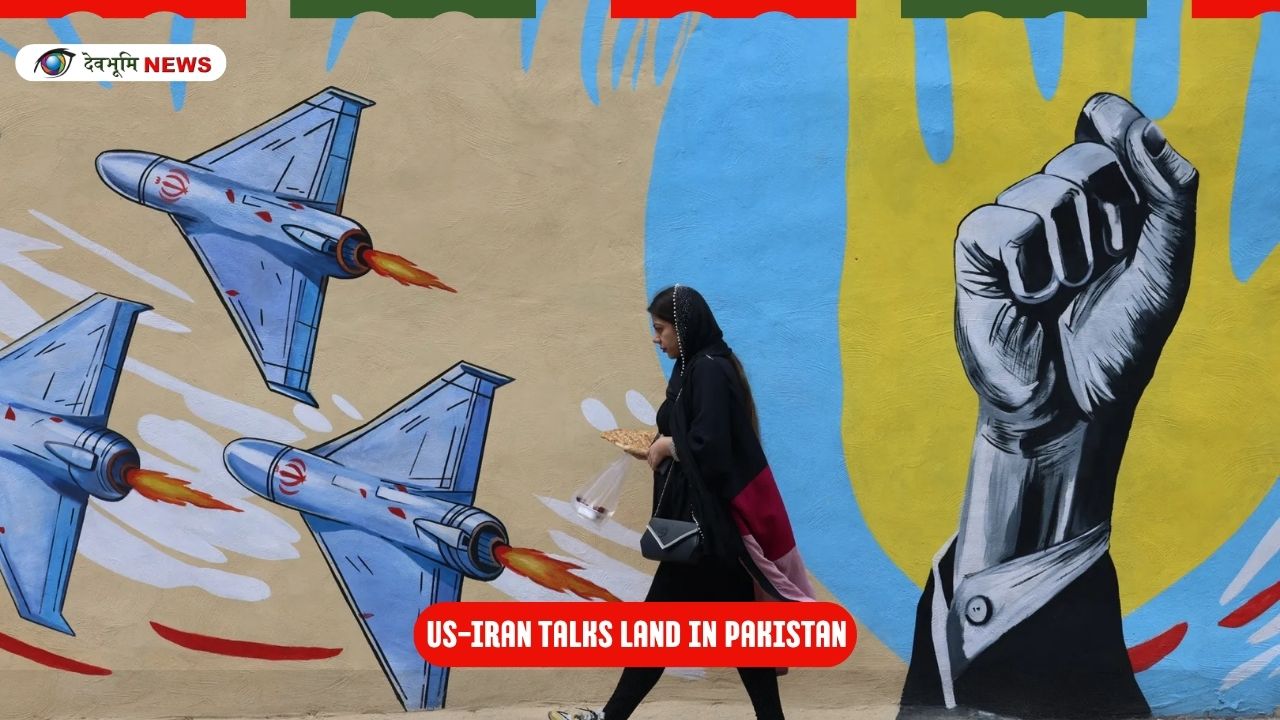
Pakistan Becomes the Center of Attention as US-Iran Talks Begin in Islamabad — India Watches Uneasily
In a dramatic turn of events, Pakistan has emerged as an unexpected hub of global geopolitics. It has successfully brought both the United States and Iran to the negotiating table in its capital, Islamabad.
These highly anticipated peace talks—led on the American side by US Vice President J.D. Vance—mark a pivotal moment for Prime Minister Shehbaz Sharif. Just last week, his government brokered an agreement to end hostilities between these two warring nations.
Read also: Iran Us war update -Iran warns Israel to Stop attacking Lebanon
In a matter of minutes, the tree-lined Pakistani capital has transformed into a fortified, heavily guarded diplomatic zone. It has now become the destination for foreign delegations arriving from across the globe.
Even if these negotiations do not yield an immediate resolution, Pakistan has already emerged as a clear winner. It has garnered immense prestige and goodwill, while simultaneously strengthening its ties with both Washington and Tehran—two of its most critical partners in the sectors of energy and investment.
However, this momentous occasion is not without its risks. As a treaty ally of Saudi Arabia, Pakistan faces the persistent risk of being dragged into a conflict once again—particularly at a time when it is already grappling with tensions along its borders with Afghanistan. Compounding the pressure on Pakistan are reports that the United Arab Emirates has demanded the repayment of a $3 billion loan; this could signal a potential financial crisis looming over this diplomatic triumph.
In contrast, the atmosphere in India is quite different across the border. New Delhi is observing these developments with an air that appears outwardly calm, yet remains inwardly somewhat tense. For several years, India has pursued a strategy of isolating Pakistan on the global stage and portraying it as a state that sponsors terrorism.
This wave of international engagement centred on Islamabad directly undermines this strategy. These dialogues lend fresh credibility to Pakistan’s top leadership—including Prime Minister Sharif as well as Army Chief Asim Munir. Among them, Asim Munir, in particular, has cultivated close ties with the U.S.’s Donald Trump. For India, this constitutes a significant geopolitical hurdle.
However, New Delhi, too, has had its share of strategic successes. Under the leadership of Prime Minister Narendra Modi, India has made a deliberate decision not to take sides in the ongoing conflict between Iran and the United States. This is a balancing act that has helped India maintain its relations with both Washington and Tehran.
Read also: From Missiles to Meetings: Iran & Lebanon Peace Talks Heat Up
India has continued to receive a steady supply of energy from Iran while simultaneously maintaining its ties with the Trump administration. The Trump administration, for its part, has further consolidated its position with an eye toward the potential post-conflict scenario.
Ultimately, whether peace prevails or conflict flares up once again depends largely on the outcomes of the ongoing dialogues in Islamabad, and on Pakistan’s ability to navigate this delicate diplomatic predicament.
The eyes of the entire world are fixed on this issue. At this moment, all roads lead to Islamabad.