Join
Join
 Shorts

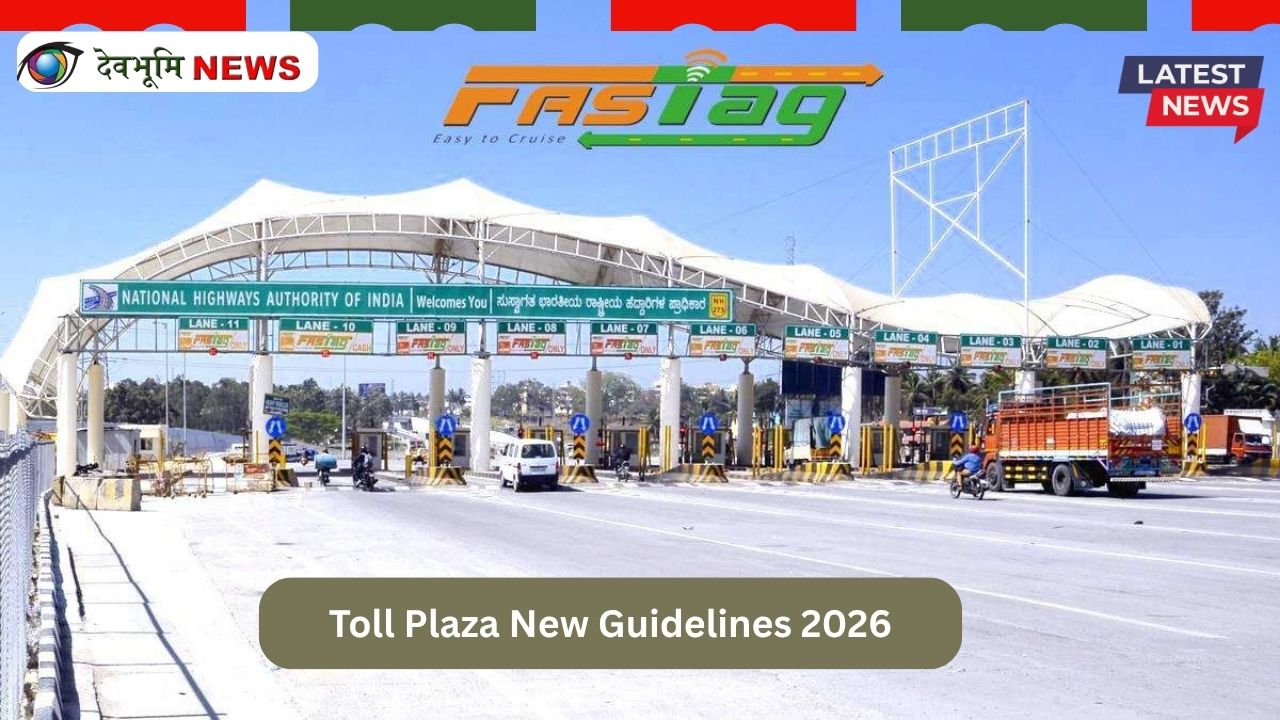
Toll Plaza New Guidelines 2026: Cash payments at toll stations will be discontinued starting April 10; consequently, the government has mandated the use of digital payment methods—such as FASTag and UPI—across the country’s highways.
New Toll Plaza Rule for 2026: Major changes are set to take place within the Indian highway system, as cash payments at toll stations will cease effective April 10. To streamline toll collection and minimize delays, the government has declared electronic payment methods—specifically FASTag and UPI—as mandatory across all highways nationwide.
The Ministry of Road Transport and Highways has established a regulation stipulating that all toll payments must be processed electronically. While FASTag is considered the preferred method, UPI has been made available as an alternative option for vehicles that are not equipped with a FASTag.
Vehicles without a FASTag will still be permitted to enter toll stations; however, drivers will be required to pay 1.25 times the standard toll amount via UPI. This measure is expected to boost the adoption of FASTag and reduce the reliance on cash-based payment methods.
Strict rules for non-payment
Toll Plaza New Guidelines 2026, Authorities have also instituted strict guidelines for motorists who are unable to pay their tolls electronically. If a vehicle is stopped without payment, the electronic notification will be sent. The owner of the vehicle has to pay the dues within 72-hours in order to avoid penalties.
When the amount is not paid over this time, the amount due will be doubled. If payment is not received within the 15 days, then the in-waiting will be registered in VAHAN’s database. VAHAN Database, and can result in limitations on the vehicle.
In the new toll rules:
-
Cash payments at toll stations are going to be completely prohibited
-
Toll entry systems based on ID will cease to be valid
-
The FASTag and the electronic payment systems are required.
-
Cars that do not have FASTags could be charged double tolls
This is a part of India’s larger plan to digitalize transport systems and to reduce the need for manual intervention in toll stations.
End of ID-based exemptions
The government has also halted the practice of officials officially making use of ID cards to claim exemptions from tolls on personal travel. Exemptions will now only be available via “Exempted FASTags” issued to departmental officials who are eligible or via annual FASTag passes costing $3,075. This move by the government is hoping to reduce fraud and minimize disputes at the toll booths.
Why Has the Government Banned Cash Payments?
The decision to end cash payments is influenced by many important factors:
1. Reduce Traffic Congestion
Cash transactions can slow the flow of traffic in toll stations, resulting in long lines. Digital transactions permit vehicles to travel without stopping.
2. Promote Digital India
The government is promoting digital transactions to help build an economy that is cash-free and increase transparency.
3. Eliminate Fraud and Errors
Manually collecting tolls can result in errors and corruption. Digital systems guarantee exact and traceable transactions.
4. Save Time and Fuel
A faster toll processing speed reduces idle time, thereby saving energy and reducing pollution.
Barrier-free tolling
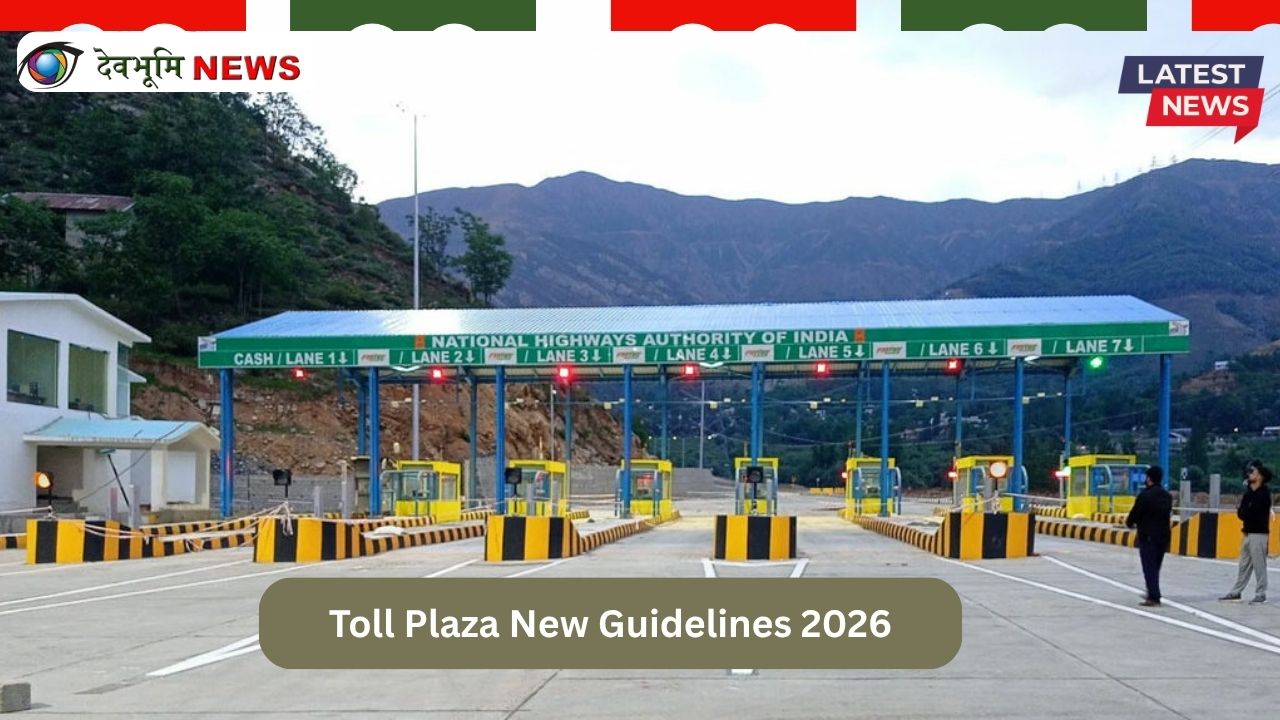
The transition to a cashless payment system is part of a larger vision to introduce barrier-free tolling across highways. Under the Toll Plaza New Guidelines 2026, advanced technologies like cameras and RFID will enable vehicles to pass through toll points without stopping, with toll charges being deducted automatically.
As most toll transactions are already shifting to digital modes, this system is expected to significantly improve traffic flow and make highway travel faster, smoother, and more efficient for commuters.
What Is FASTag and Why Is It Important?
Toll Plaza New Guidelines 2026: FASTag is an electronic collection system that makes use of RFID technology to remove tolls from linked accounts.
Key Benefits of FASTag:
-
Seamlessly paying tolls without stopping
-
The wait time for toll plazas
-
Contactless and cashless transactions
-
It is easy to track the cost of tolls
India extensively utilizes FASTag, but the 2026 rule mandates its use for all road users.
Impact on Daily Commuters and Travelers
Positive Impacts:
-
Faster travel experience
-
Reduced traffic jams at toll plazas
-
Improved road efficiency
-
Better transparency in toll collection
Challenges:
-
Awareness among rural and less tech-savvy drivers
-
Occasional technical issues with FASTag systems
-
Need for proper balance maintenance in FASTag accounts
Despite these challenges, the long-term benefits outweigh the drawbacks.
Future of Toll Collection in India
The 2026 rule is just the beginning. India is planning to introduce advanced toll systems, such as the following:
-
GPS-based toll collection
-
Barrier-free toll plazas
-
Satellite tracking for distance-based tolling
These technologies will further eliminate the need for physical toll booths, making travel even smoother in the future.
Breaking News:
- iPhone 18 Pro Leaks: Apple’s Biggest Design Shift Yet Could Redefine the iPhone
- PBKS Full Squad IPL 2026: Complete Punjab Kings Players List, Auction Buys & Released Players
- Upcoming Smartphones April 2026 – Detailed Specifications (Battery, Display & More)
FAQs:-
Q1: Will cash be completely prohibited at toll booths by 2026?
From April 10, 2026, toll stations will not accept cash payments.
Q2: What happens if you do not have a FASTag?
You will likely be charged a second toll or you may not be able to travel.
Q3. Can my ID be used in place of the FASTag?
The toll-based entry based on ID will be eliminated in the new rules.
Q4: Is the FASTag requirement in all automobiles?
Absolutely, every vehicle that travels on national highways should be equipped with a FASTag.
Conclusion:-
These new Toll Plaza New Guidelines 2026 are new ones. Rule 2026 is a significant step towards modernizing India’s highway infrastructure. The government will ensure an efficient, faster, and clearer toll collection process by eliminating the need for cash and manually operated ID systems. Although there could be some minor issues in the transition period using FASTag, the adoption of digital payment systems will ultimately be beneficial to all travelers.
To ensure compliance and avoid fines, it is crucial for car owners to change to FASTag by April 10th, 2026. This change helps this initiative and supports the Digital India initiative, but also enhances overall travel experiences on national highways.