Join
Join
 Shorts

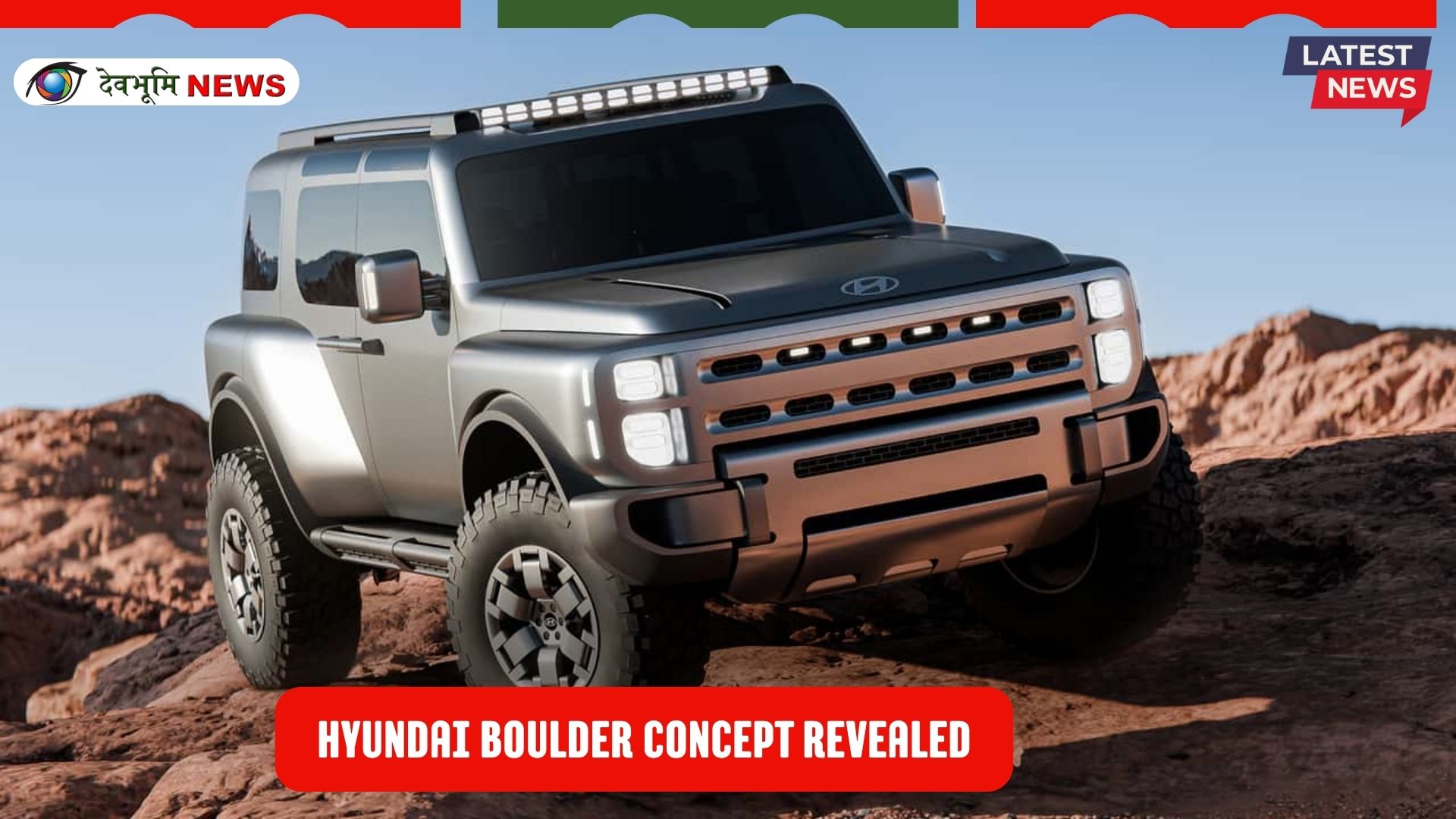
Hyundai has taken a bold leap into the hardcore off-road space with the unveiling of the Boulder Concept at the New York International Auto Show 2026. Known more for its city-friendly SUVs and sedans, the Korean automaker is now eyeing a segment dominated by icons like the Ford Bronco and Jeep Wrangler—and it’s not holding back.
The Boulder Concept isn’t just another design study. It’s a clear statement of intent: Hyundai wants a piece of the rugged, body-on-frame off-road market, and it’s ready to build vehicles that can get dirty—literally.
A Proper Off-Roader at Heart
At the core of the “Hyundai Boulder” Concept lies a traditional body-on-frame architecture—something Hyundai has never offered before. This ladder-frame construction is key to serious off-road capability, enabling better durability, towing strength, and terrain handling.
Visually, the Boulder looks every bit like a rival to established off-roaders. It features a boxy, upright stance, muscular fenders, and aggressive styling under Hyundai’s “Art of Steel” design language. The SUV rides on massive 37-inch all-terrain tyres, paired with high ground clearance and functional add-ons like tow hooks and roof-mounted lighting.
One standout feature is its dual-hinged tailgate with a mounted full-size spare wheel and a roll-down rear window—clearly designed with practicality in mind for adventure seekers. Hyundai has also built the Boulder as a “blank canvas,” meaning owners could potentially customize it with accessories for overlanding, camping, or extreme off-roading.
Interior: Rugged Meets Futuristic
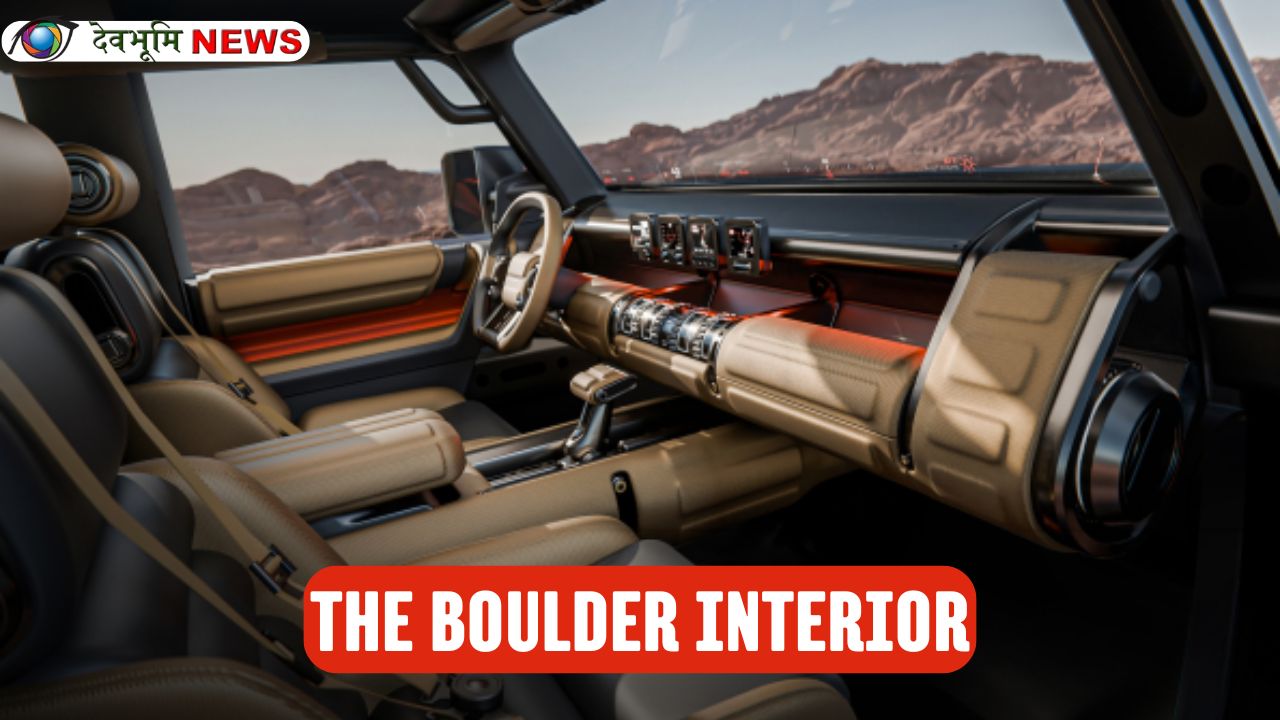 Step inside, and the Boulder Concept continues its tough persona. Unlike modern SUVs that rely heavily on touchscreens, Hyundai has gone for a more functional layout with physical buttons, rotary knobs, and rugged materials—perfect for real-world off-road use.
The cabin features multiple screens displaying navigation and terrain data, along with a head-up display stretching across the windshield. There’s even a real-time off-road guidance system that acts like a digital spotter, helping drivers tackle tricky trails with confidence. Chunky grab handles, durable surfaces, and practical storage solutions reinforce the idea that this SUV is built for adventure, not just mall parking.
Hyundai’s Bigger Game Plan
While the Boulder Concept itself may not reach production in its current form, it previews something much bigger. Hyundai has confirmed that this new platform will underpin a midsize pickup truck expected by 2030.
This move is significant because it marks Hyundai’s serious entry into the American truck and off-road segment—an area historically dominated by domestic giants. The concept also highlights Hyundai’s strategy to design and build vehicles specifically for markets like the U.S., where demand for rugged, body-on-frame vehicles remains strong.
In fact, the Boulder could eventually evolve into a full-fledged SUV or share its DNA with future off-road-focused Hyundai models under the brand’s XRT lineup.
The Hyundai Boulder Concept may still be a concept, but its message is loud and clear. With its aggressive design, serious hardware, and practical features, it has all the ingredients to challenge segment leaders like the Bronco and Wrangler. More importantly, it signals a shift in Hyundai’s identity—from a maker of reliable daily drivers to a brand that’s ready to embrace adventure and performance. If even half of what we see here makes it to production, the off-road SUV market is about to get a very interesting new contender.