Join
Join
 Shorts

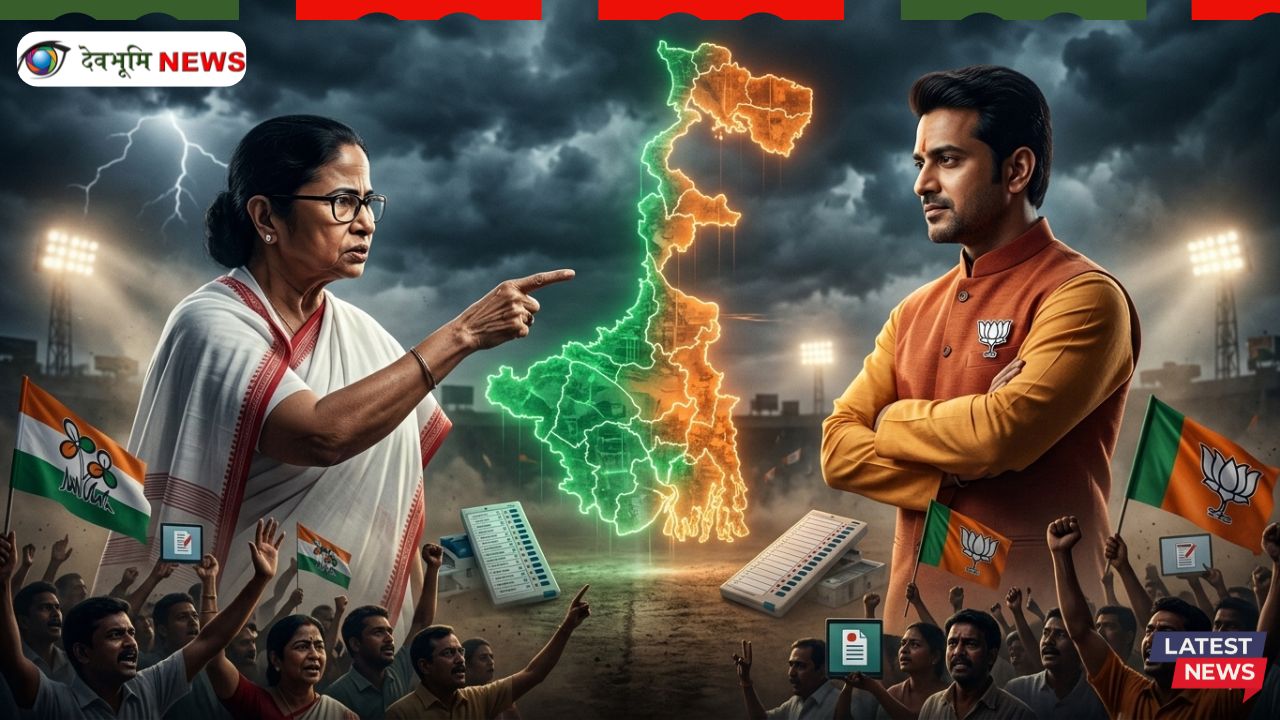
Bhabanipur Voter Roll Controversy
A recent study of the additional voter rolls from West Bengal’s Bhabanipur Assembly seat has led to deep concerns regarding the accuracy of the revision procedure. The Bhabanipur Assembly constituency, which is represented by Mamata Banerjee and is currently in the middle of a debate about the extent to which voter deletions have affected a specific group of people.
The data suggests that although Muslims represent around 20% of the Bhabanipur population, they are responsible for more than 40 percent of the deletions on the supplementary voter lists that are supplementary. This stark contrast has caused a stir among both political and academic analysts.
From Balanced to Disproportionate: What Changed?
The earlier deletion rounds of the Absent Shifted Dead, Duplicate (ASDD) category were to be balanced in the ASDD category, with Muslim deletions averaging around 22.7%–closely to their proportion.
The situation, however, dramatically changed following the adjudication process
- ASDD deletes 22.7 percentage Muslim, 77.3% non-Muslim
- Additional deletes 40.1 percent Muslim, 59.9% non-Muslim
This change suggests that the criterion used at the time of the election may have resulted in different outcomes even when similar voter bases were studied.
Reasons Behind Deletions Under Scrutiny
According to research, a lot of the deletions on the lists that were supplementary weren’t just triggered by traditional administrative causes such as death or relocation. The reason for the deletions was
- Minor spelling inconsistencies
- Different transliteration styles between Bengali and English
- Criteria that are unclear or ambiguous
This has raised concerns about the rigor and impartiality that the verification procedure provides.
Beyond Bhabanipur: A Wider Trend?
Bhabanipur Voter Roll Controversy: The issue isn’t limited to just one segment of the population. Similar patterns have been observed in places like Nandigram and Nandigram, which is which is represented by Suvendu Adhikari, and where Muslim voters, despite being a minority, made up the overwhelming majority of those who were removed.
An analysis of the various constituencies in districts like Malda and Murshidabad indicates that:
- A significantly high proportion of flagged voters comes from one particular community
- The percentage of adjudications among Muslim voters is considerably higher than that of other voters.
This has raised the possibility that the issue could be a systemic issue rather than an isolated one.
Political Reactions Intensify
The findings have provoked the country to respond with a fervent political response. Mamata Banerjee has accused the authorities of discriminatory policies, asserting that residents who have been in the country for a long time are unfairly excluded from electoral lists.
On the other hand,, officials from the Bharatiya Janata Party, including Sukanta Majumdar, have defended this revision procedure as an essential measure to prevent fraud and to ensure election integrity.
A Question of Transparency and Trust
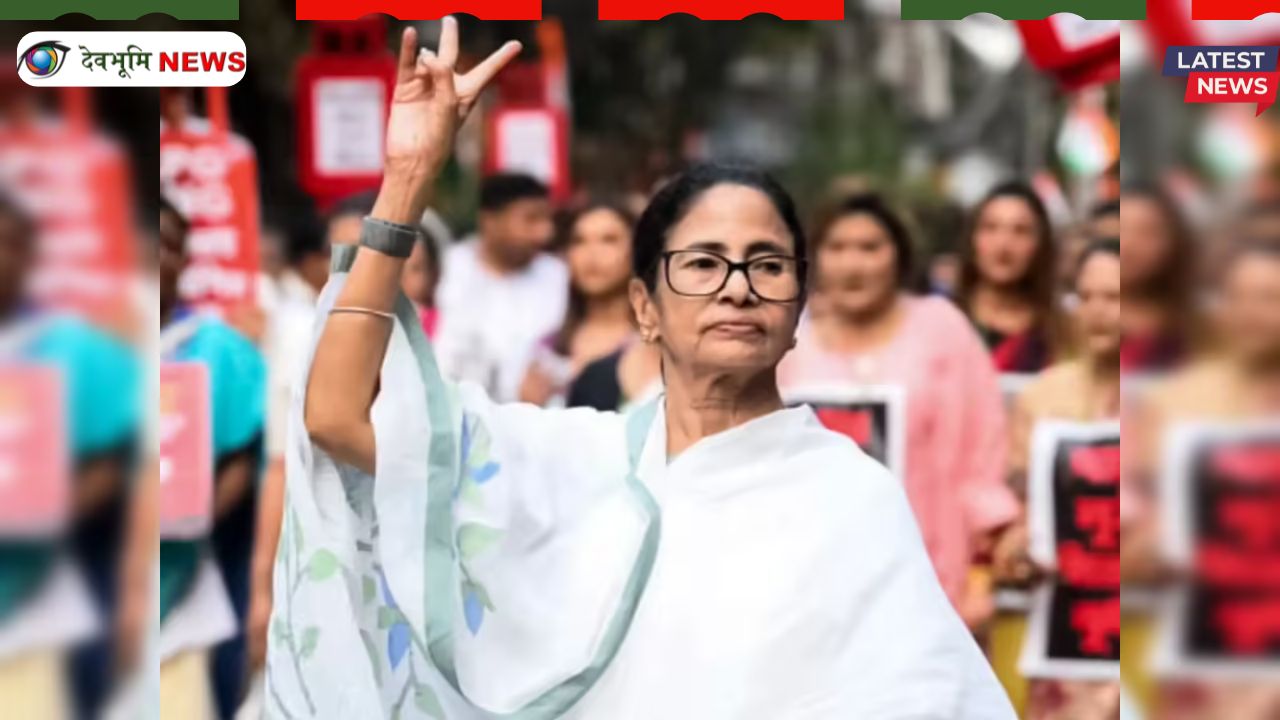
With nearly 91 lakh votes being reportedly eliminated throughout West Bengal, the scale of the operation has heightened concerns over accountability and transparency. Experts assert that uniform application of the rules would eliminate the possibility of extreme disparities.
Demand is increasing for:
- A third-party audit is required for the revision of the voting process
- More transparency in the criteria that are used for adjudication
- Data that is accessible to the public to check the validity
Breaking News:
- India’s Bold Nuclear Move: Fast Breeder Reactor Success Reshapes Energy Future
- PM Modi Urges Massive Voter Turnout in Assam, Kerala & Puducherry
- U.S.–Iran Tensions Spike: Trump Warns of Action if Agreement Fails
Conclusion:
Bhabanipur Voter Roll Controversy: The deletion of voters has become a major issue as West Bengal moves closer to elections. The issue isn’t only about numbers. It’s about confidence in the democratic institutions.
If the issues lead to correction, or a new political conflict is yet to be determined. But what is evident is the need to ensure an inclusive and fair voting process is essential to ensuring the trust of the public in the democratic system.