Join
Join
 Shorts

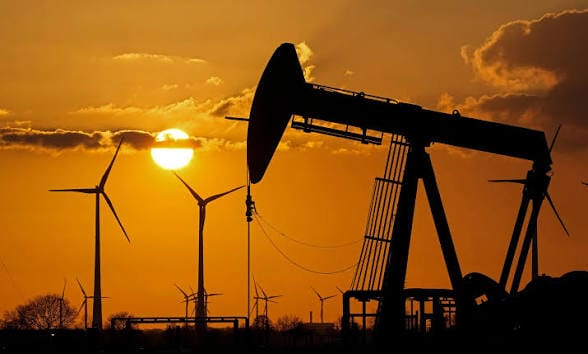
Global oil prices surged more than 3% on Monday as escalating military attacks between the United States and Iran reignited fears of major disruption to energy supplies through the Strait of Hormuz.
The renewed tensions in the Gulf have also started feeding through to British motorists, with petrol and diesel prices at UK filling stations edging higher after weeks of decline.
Brent crude, the international benchmark for oil prices, climbed to around $78 a barrel during trading as investors assessed the risk of further attacks and possible disruption to shipping routes. US West Texas Intermediate crude also recorded strong gains.
The market reaction came after a fresh exchange of military strikes between Washington and Tehran. Iran launched missile and drone attacks targeting US military positions in Gulf countries, while American forces carried out another wave of strikes against Iranian targets.
Fresh US Attacks ,Strait of Hormuz Back in Global Spotlight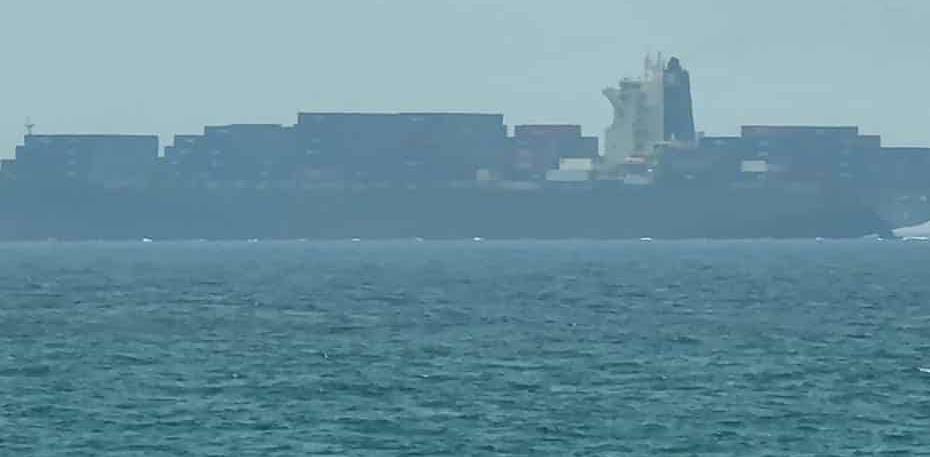
At the centre of market concerns is the Strait of Hormuz, the narrow waterway connecting the Persian Gulf with the Gulf of Oman and the wider global shipping network.
A significant share of the world’s daily oil and liquefied natural gas supplies normally passes through the route. Any prolonged disruption could quickly tighten global energy supplies and push prices higher.American officials have also said ships have been escorted through the strategic passage.
The possibility of attacks on commercial vessels, oil tankers or energy infrastructure remains a major concern for markets.
Oil Prices Rise More Than 3%
Brent crude rose sharply as traders added a geopolitical risk premium to energy prices.
The international benchmark climbed more than 3% and remained below the psychologically important $80-a-barrel level.
Oil markets have experienced dramatic volatility during the wider Iran conflict. Prices previously climbed above $100 a barrel during periods of severe supply concern before falling as shipping conditions improved and diplomatic efforts gained momentum.
US and Iran Exchange Fresh Attacks
The rise in oil prices followed another dangerous escalation between the United States and Iran.The US military launched fresh strikes against Iranian targets as tensions over the Strait of Hormuz intensified.
Iran responded with missile and drone attacks against American military facilities in neighbouring Gulf states, including Kuwait and Bahrain.
UK Petrol Prices Start Rising Again
The impact of higher crude oil costs is already being felt by drivers in Britain.According to motoring organisations, average petrol prices have started climbing after falling significantly from their earlier Iran-war highs.
The average price of unleaded petrol had dropped from almost 160 pence per litre at the end of May to around 150.6 pence in early July.However, prices moved back above 151 pence per litre over the weekend.
Diesel prices have also started edging higher. Average diesel costs rose from around 164.5 pence per litre to approximately 164.9 pence.
Summer Travellers Could Face Higher Fuel Bills
The latest increase comes at a difficult time for British families preparing for summer holidays.Millions of motorists are expected to travel by road during the holiday season.
Higher fuel prices could increase the cost of family trips and add pressure to household budgets.
The future of UK pump prices is now closely connected to developments between the US and Iran.If the military confrontation intensifies, crude oil prices could rise further and wholesale fuel costs may increase.
Inflation Fears Return
Rising oil prices are also creating fresh concerns about inflation.Energy is a major cost for businesses across the global economy.
Higher fuel prices increase transportation and logistics expenses. Airlines face larger aviation fuel bills, while shipping companies and manufacturers may also experience rising operating costs.Businesses can absorb some of these increases temporarily, but prolonged high energy prices are often passed on to consumers.
That means food, clothing and other everyday products could become more expensive.
Central banks are closely watching the situation because a fresh energy price shock could complicate efforts to control inflation.
Asian Markets Hit by Heavy Selling
Asian stock markets also experienced significant pressure amid the renewed geopolitical uncertainty.
South Korea’s Kospi index suffered particularly heavy losses, falling sharply during trading.
Investors moved away from riskier assets as concerns about the Middle East conflict increased.Global financial markets often react strongly to major military escalations, particularly when energy supplies are threatened.
Oil-importing economies are especially vulnerable because higher crude prices can weaken trade balances and increase inflation.
Gold Slides Despite Geopolitical Tensions
Interestingly, gold prices moved lower even as geopolitical tensions increased.Gold is traditionally considered a safe-haven asset during periods of political and economic uncertainty.
However, market movements can be influenced by several factors, including currency fluctuations, interest rate expectations and investor positioning.
Could Oil Return Above $100?
One of the biggest questions facing energy markets is whether crude prices could once again climb above $100 a barrel.
The answer largely depends on the Strait of Hormuz.
If commercial shipping continues through the waterway and major oil facilities remain operational, the market may avoid a severe supply shortage.
However, a prolonged closure or major attacks on tankers and energy infrastructure could dramatically change the situation.The Gulf region remains one of the world’s most important oil-producing areas.Even the threat of supply disruption can cause significant price volatility.
Read more like this:
- PM मोदी की जींद रैली को बम से उड़ाने की धमकी, गुरुग्राम के स्कूलों में पहुंचे ई-मेल से हड़कंप; बांग्लादेश IP कनेक्शन की जांच
- बच्चों के स्मार्टफोन के लिए बेस्ट पैरेंटल कंट्रोल ऐप्स: इंटरनेट पर बच्चों को सुरक्षित रखने के तरीके
- आमिर खान ‘लव जिहाद के ब्रांड एंबेसडर’, नितेश राणे के बयान से मचा बवाल; तीसरी शादी पर उठाए सवाल
Global Economy Faces New Energy Risk
The renewed US-Iran confrontation comes at a sensitive time for the global economy.Governments and central banks have been attempting to stabilise inflation and support economic growth.A prolonged energy shock could undermine those efforts.
Higher oil prices can reduce consumer spending because households must devote more money to fuel and energy bills.Businesses may also delay investment if operating costs and economic uncertainty increase.
For oil-importing countries, rising crude prices can create additional pressure on national finances and currencies.
Conclusion
Global oil markets have entered another period of uncertainty after renewed attacks between the United States and Iran pushed crude prices more than 3% higher. Brent crude climbed towards $80 a barrel as investors focused on the security of the Strait of Hormuz and the risk of disruption to Gulf energy exports.
The impact is already reaching consumers in Britain. Petrol and diesel prices have started rising again after weeks of declines, creating the possibility of higher fuel bills during the busy summer travel season.
For now, the direction of oil prices depends heavily on the next moves by Washington and Tehran. If attacks continue and shipping through the Strait of Hormuz faces greater disruption, global energy costs could rise sharply again.
The renewed conflict has therefore transformed the Gulf into the central focus of global commodity markets, leaving governments, businesses and millions of consumers watching developments with growing concern.