Join
Join
 Shorts

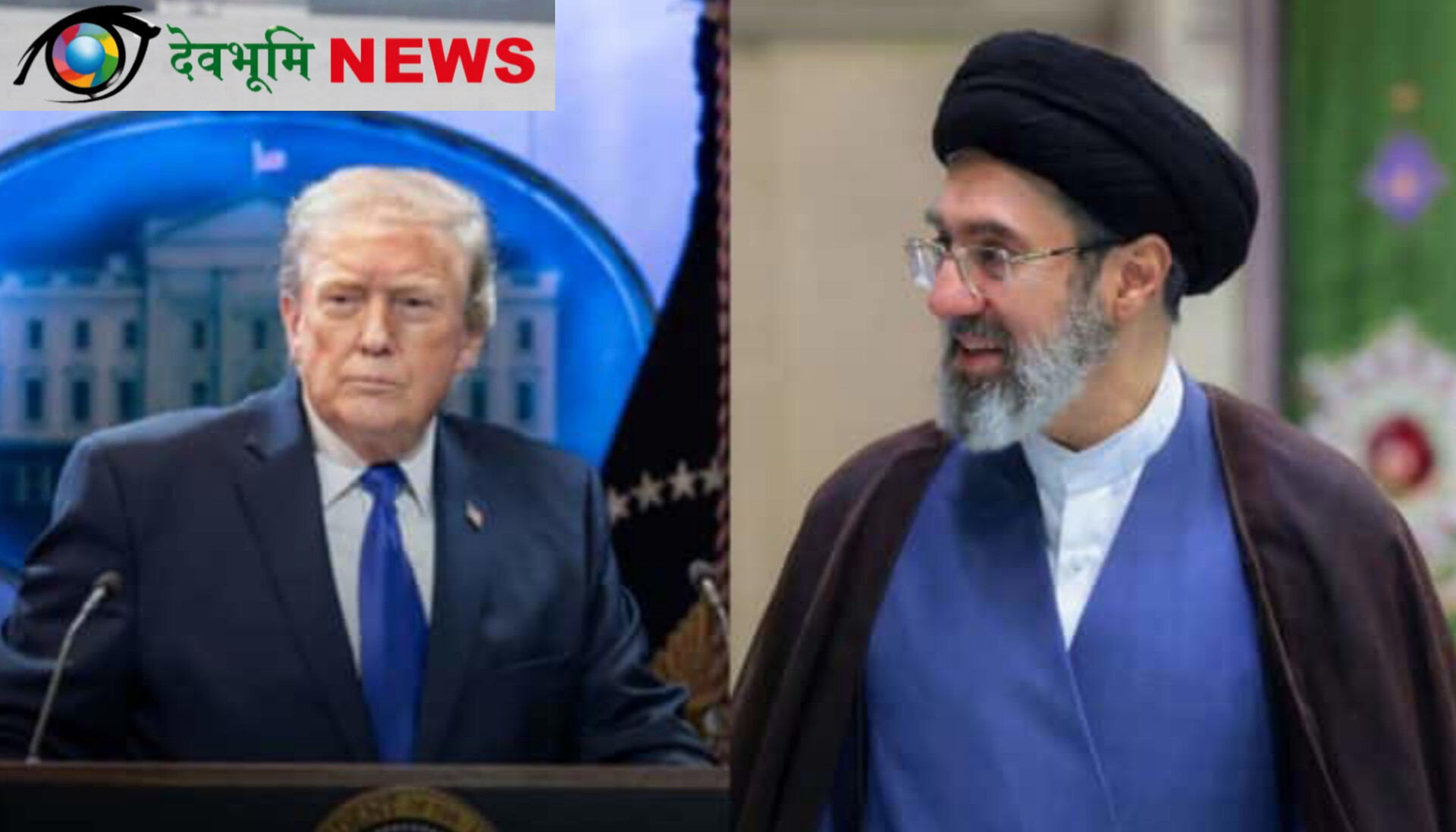
The proposed framework reportedly includes a ceasefire extension, reopening of the strategically vital Strait of Hormuz, sanctions relief, and a massive $300 billion reconstruction and investment package for Iran. While the deal has not yet been officially finalized, global markets and governments are closely watching the negotiations.
60-Day Truce at the Center of the Deal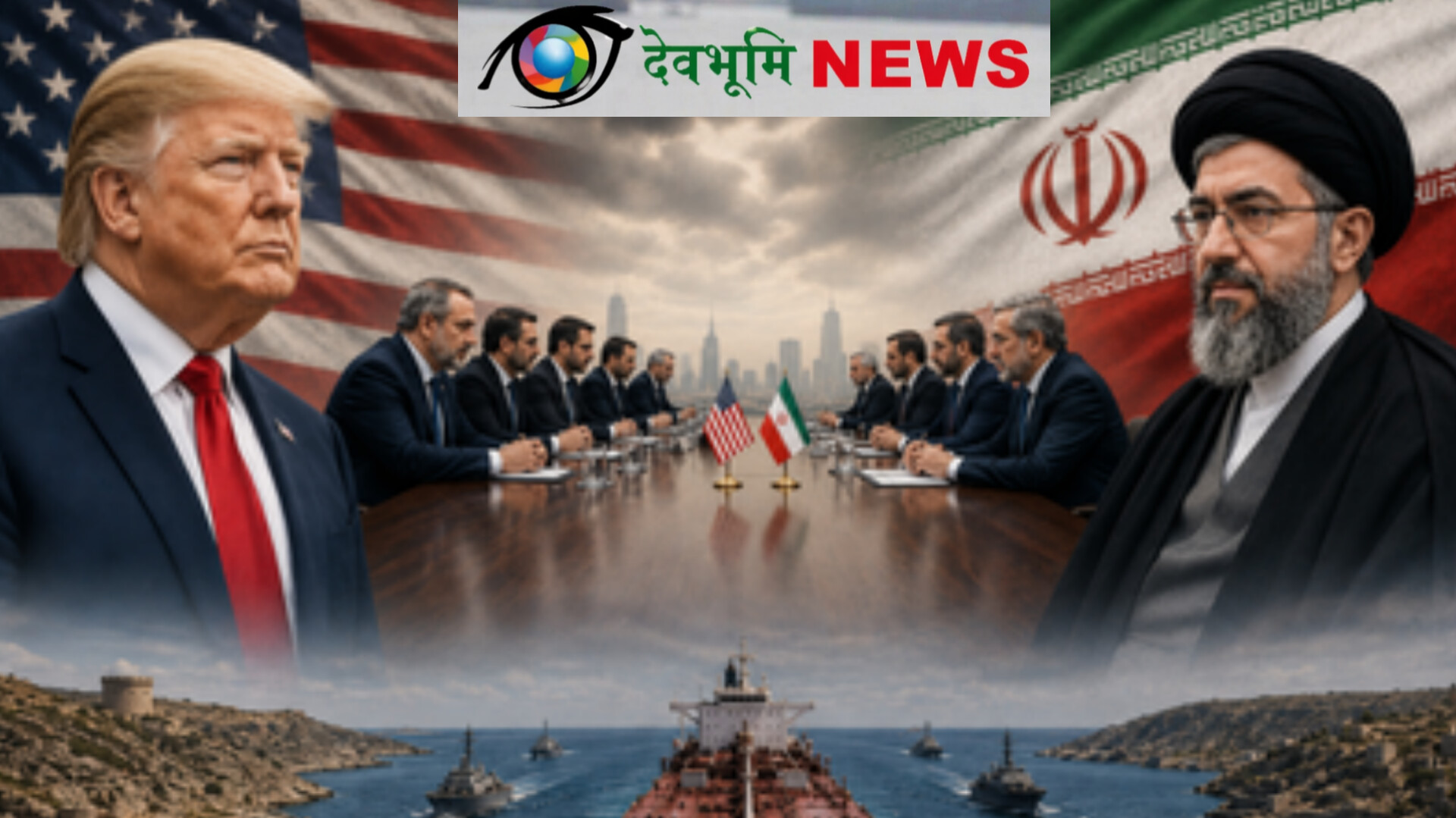
According to multiple reports, the United States and Iran are discussing a 60-day extension of the current ceasefire to create space for broader negotiations on nuclear issues and regional security.
The proposed truce would require both sides to halt military operations and avoid direct attacks during the negotiation period. Mediators including Qatar, Oman, and Pakistan are reportedly playing key roles in facilitating communication between Washington and Tehran.
US Vice President JD Vance recently stated that the two sides are “very close” to reaching a framework agreement, although final approval is still pending.
Hormuz Reopening Seen as Global Priority
One of the most important parts of the proposed agreement involves reopening the Strait of Hormuz — one of the world’s most critical oil shipping routes.
The waterway has faced severe disruption during the conflict, with shipping activity declining sharply due to mines, naval tensions, and security fears. Iran reportedly agreed in principle to restore commercial shipping access and clear maritime obstacles if the United States eases restrictions on Iranian ports and trade.
The reopening of Hormuz is considered crucial for stabilizing global oil prices and preventing a wider economic crisis.
$300 Billion Reconstruction and Investment Proposal
Perhaps the most dramatic aspect of the draft agreement is the reported $300 billion reconstruction and investment plan linked to Iran.
According to reports cited by Iranian lawmakers and international media, the package would involve long-term investments, infrastructure rebuilding, sanctions relief, and economic support if a final peace agreement is reached.
The proposal may also include phased access to frozen Iranian assets currently held abroad.
Analysts believe the economic package is designed to encourage Iran toward long-term de-escalation while helping stabilize the country’s economy after months of conflict and sanctions pressure.
Nuclear Talks Delayed to Next Phase
While the current framework focuses mainly on ending hostilities and reopening trade routes, the more difficult issue of Iran’s nuclear program appears to have been postponed for future negotiations.
Reports suggest Iran may temporarily freeze parts of its nuclear activities during the ceasefire period in exchange for limited sanctions relief and guarantees against further military escalation.
The draft discussions also reportedly include future negotiations regarding uranium enrichment limits, international inspections, and management of Iran’s enriched uranium stockpile. However, significant disagreements remain unresolved on these issues.
Sanctions Relief and Frozen Assets
The United States is reportedly considering selective sanctions waivers under the proposed framework.
This could allow Iran to resume certain oil exports and gain gradual access to frozen overseas funds if compliance conditions are met.
Iran has long demanded the lifting of primary and secondary sanctions imposed by Washington, arguing that economic restrictions have severely damaged its economy and humanitarian systems.
American officials, meanwhile, are seeking guarantees that Iran will not pursue nuclear weapons or threaten international shipping lanes.
Israel and Regional Allies Watching Closely
Israel remains cautious about the proposed agreement and has reportedly raised concerns regarding Iran’s nuclear capabilities and regional influence.
Some reports suggest Israel is unhappy with proposals that delay strict nuclear restrictions while focusing mainly on temporary de-escalation.
Gulf nations and regional powers are also monitoring the talks carefully due to concerns over maritime security, oil exports, and broader Middle East stability.
Global Markets React Positively
Financial markets have responded positively to reports of a possible deal. Oil prices fell sharply this week amid hopes that commercial shipping through the Strait of Hormuz could soon normalize. Investors believe a successful agreement may help reduce inflation pressures and stabilize global energy supplies.
However, analysts warn that the deal remains highly fragile and could collapse if either side rejects final terms or if fresh military clashes erupt during negotiations.
Read more like this:
Will the Deal Actually Happen?
Despite growing optimism, officials from both countries have acknowledged that major disagreements still remain. Questions surrounding Iran’s uranium stockpile, long-term sanctions relief, enforcement mechanisms, and regional military presence continue to complicate negotiations.
For now, the draft agreement represents the most serious diplomatic effort yet to end the US-Iran war and prevent a wider regional conflict.
Whether the truce holds — and whether the larger peace framework survives political opposition on both sides — may determine the future stability of the Middle East in the coming months.