Join
Join
 Shorts

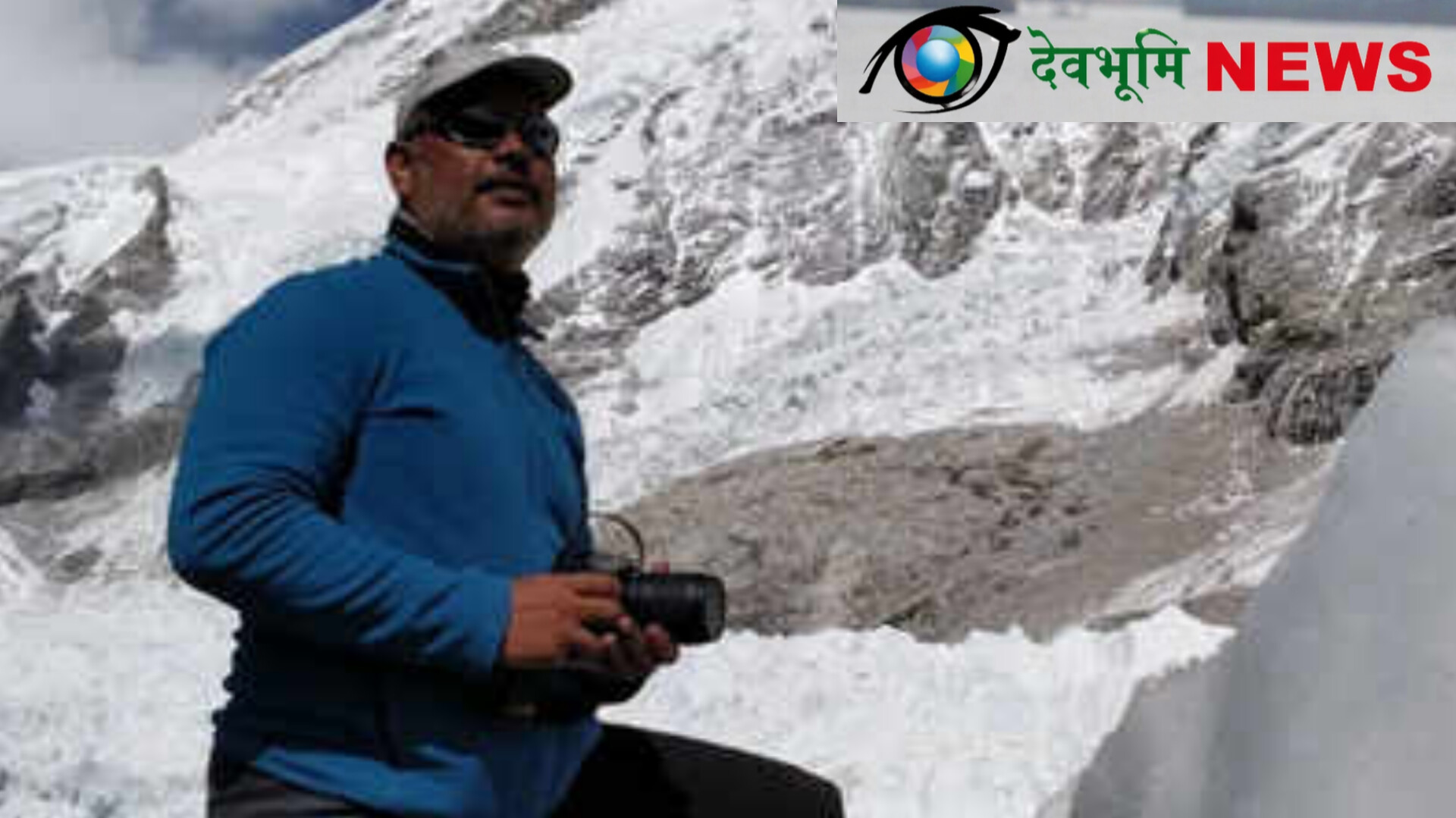
In a deeply emotional and difficult decision, the family of a Hyderabad-based climber who died during an Everest expedition has reportedly decided not to retrieve his body from the mountain’s “death zone,” citing extremely high recovery costs of nearly ₹90 lakh and the near-impossible risks involved in high-altitude recovery operations.
The incident has once again highlighted the extreme dangers of Mount Everest expeditions and the financial and logistical challenges faced by families after fatalities in the world’s highest peak.
Family Faces Heart-Wrenching Decision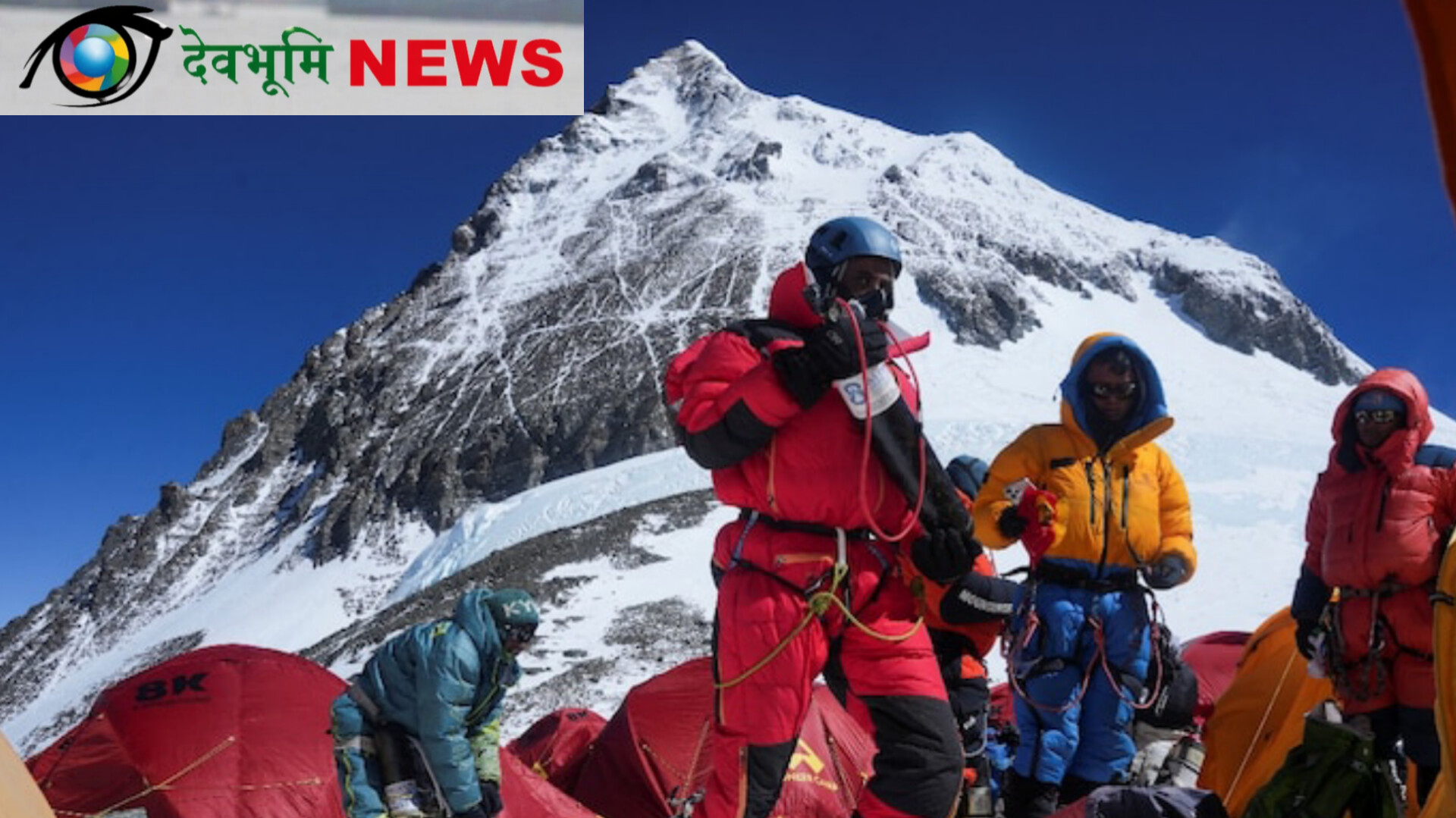
According to reports, the climber lost his life while descending from a high camp in the notorious “death zone” area of Mount Everest, where oxygen levels are critically low and weather conditions are unpredictable.
Recovery operations in such regions are not only dangerous but also require highly specialized teams, helicopters, and Sherpa support — all of which make the process extremely expensive. The estimated cost of bringing back the body has been quoted at around ₹90 lakh (approximately $100,000+), placing a significant financial burden on the family.
Unable to bear the cost and understanding the risks involved for rescue teams, the family has decided to leave the body on the mountain.
Why Recovery From Everest Is So Difficult
Mount Everest’s “death zone,” located above 8,000 meters, is considered one of the harshest environments on Earth. At this altitude, oxygen levels are insufficient for sustained human survival without supplemental oxygen, and even simple physical movement becomes extremely exhausting.
Recovering a body from this region often requires multiple Sherpas, ropes, fixed lines, and sometimes helicopter coordination at the edge of operational limits. Even then, unpredictable weather can halt missions instantly.
Experts say that in many Everest fatalities, bodies are either left on the mountain or recovered only when conditions allow, which may take months or years.
Rising Costs of High-Altitude Expeditions
The increasing cost of Everest expeditions has become a major concern in recent years. A standard guided climb can cost anywhere between ₹30 lakh to ₹60 lakh per person, while emergency recovery missions can double or triple that amount depending on location and conditions.
Insurance often covers only a part of such expenses, leaving families to manage the remaining financial burden. In many cases, climbers are required to purchase separate high-altitude rescue insurance, which may still not fully cover body retrieval from extreme elevations.
Emotional and Ethical Dilemma for Families
For families, the decision to leave a loved one behind on Everest is both emotionally devastating and practically unavoidable. Many mountaineering experts say that such decisions, though heartbreaking, are often made to avoid putting additional lives at risk.
Climbers themselves are aware of the risks involved in Everest expeditions, but accidents in the “death zone” leave little room for rescue or recovery operations.
In this case, the Hyderabad climber’s family reportedly chose dignity and safety over a dangerous and expensive retrieval mission.
Read more like this:
Mount Everest: Beauty and Deadly Risk
Mount Everest, the world’s highest peak at 8,848 meters, continues to attract climbers from across the globe. However, it also remains one of the deadliest mountains, with unpredictable weather, avalanches, and extreme altitude posing constant threats.
Over the decades, hundreds of climbers have died on Everest, and many bodies remain preserved in ice and snow due to the extreme cold.
The latest incident serves as another reminder of the harsh realities of high-altitude mountaineering, where success and tragedy often exist side by side.
Conclusion
As the family mourns their loss, the decision to leave the body on Everest underscores the brutal reality of survival in the world’s highest “death zone.” With recovery costs soaring and risks remaining extremely high, such decisions, though painful, are increasingly becoming a harsh necessity in modern mountaineering tragedies.