Join
Join
 Shorts

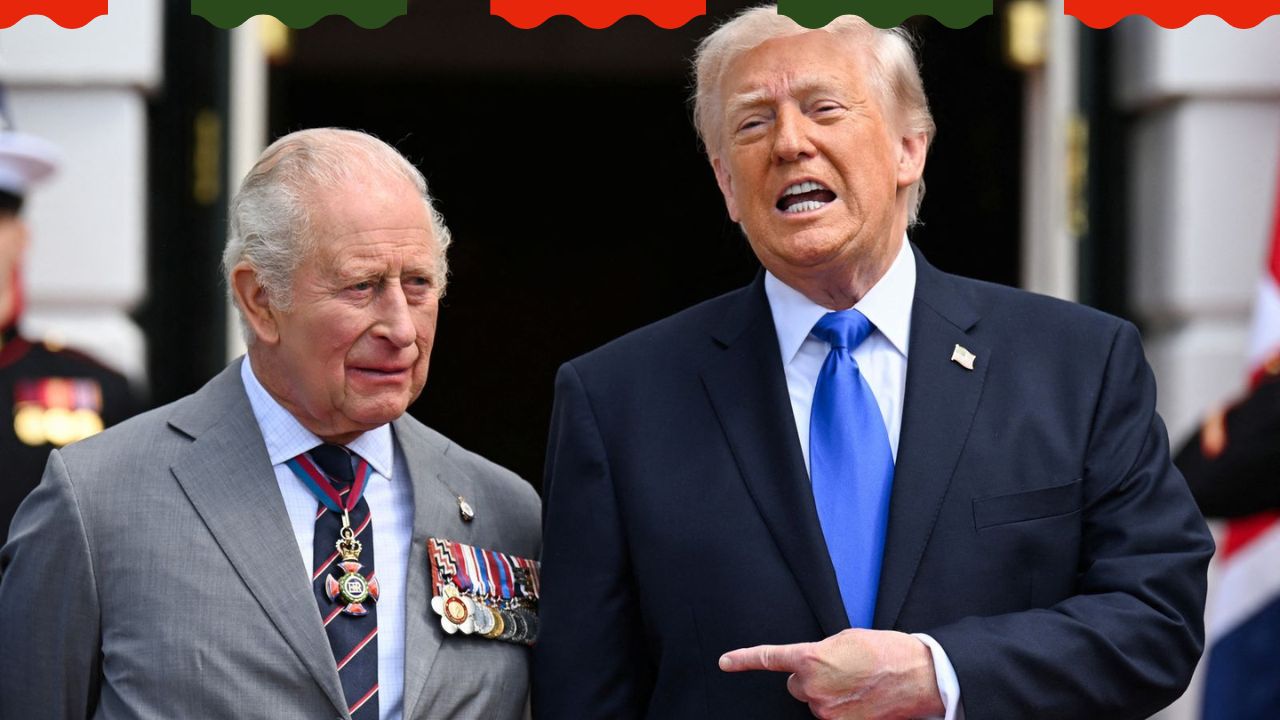
King has Midas touch with Trump, but benefits for Britain remain to be seen: King Charles III seems to have done what many seasoned leaders and diplomats have been unable to achieve: creating an intimate and warm relationship and a warm, personal relationship with Donald Trump. But while the palace shines with contentment, a tougher issue is being addressed in Westminster: What does Britain actually receive in return?
As Air Force One touched down on British territory, the events that followed were awe-inspiring. Trump, who is not usually one to show respect, seemed to be genuinely enthralled by the presence of King. Both men spoke at length of a conversation—more than the protocol required–, and all present described a warm and welcoming atmosphere, an easiness that the White House’s best-trained hands claimed they had never encountered in dealings with other heads of state.
The public was able to see the Midas touch at work. While every president Trump has had to contend with his attention being elusive, as well as his positive contingent, King Charles seemed to be able to keep it with ease and naturally—a result possibly of shared generations’ memories, a shared appreciation for formality, or the unsettling appeal of working with a monarch, not an opponent politician.
“Where politicians have repeatedly stumbled, the Crown appears to have opened a door.”
Senior diplomat source speaking in anonymity
A diplomatic asset, but who is it for?
The problem within Whitehall isn’t that the relationship is not welcome, far from it. Anyone in the British administration would desire the security of an unpredictable but influential American president. The concern is more subtle: that the positive will generated by the monarchy might not be able to translate into concrete policy victories Britain desperately needs.
The top of any British list of priorities is relief from the sweeping American trade tariffs, which have hampered British exporters, and a renewed commitment to NATO’s security architecture and the progress of a long-promised but never-delivered bilateral trade agreement. In all three areas, pleasant handshakes and enjoyable afternoons at Windsor have yet to result in any tangible progress.
Trump’s Washington is an unstructured register, which speaks of royal hospitality in a way that doesn’t necessarily translate to. A lavish state dinner can create goodwill within the venue, but it will not be a sufficient reason to alter the math of a trade deal or weaken the determination of a government that has made economic nationalists an integral part of its character.
Read Also: US to Cut 5,000 Troops from Germany Amid Trump-Merkel Diplomatic Spat
The constitutional limitations of diplomacy between royals
King Charles is, naturally, with strict constitutional restrictions. King Charles does not make policy or negotiate treaties and is not able to make commitments on behalf of the British government. His task is to entice, as a representative, the essence of the image Britain wants to portray as stability, consistency, and civilized dignity in an often unglamorous world.
In this role, he has clearly excelled. However, the transformation of soft royal influence into hard diplomatic gains will be the responsibility of elected ministers, and in that case, the picture gets significantly murkier. The government has taken care not to hype the relationship, as it is aware that imposing expectations that it isn’t able to meet could be a political risk.
Key questions still unanswered
- Are there any plans to let U.S. taxes on British products be lowered in any accord?
- Can the king’s personal relationship and the president’s be improved at a negotiation table?
- Does this “special relationship” retain substance, or is it merely purely symbolic?
- How long can the goodwill endure without any follow-up by both government agencies?
History as a reference
History has a variety of lessons to teach. In the late days of Queen Elizabeth II is widely recognized as having a unique ability to make foreign leaders feel at ease. And yet, even her powerful personal qualities could not prevent the recurring degradation of the alliance between America and Britain when strategically related interests diverged. Personal chemistry can be described as more of a lubricant than an element of foundation.
That which the King of England has undoubtedly done is give Britain an opportunity to see an opportunity for genuine friendship in the relationship that has at times been strained and transient in the current American administration. If the administration has the capability and political determination to make use of the window to its advantage, it is the most important test of its effectiveness.
Read Also: Starmer opens door to banning protests as antisemitism fears mount
Conclusion:
King Charles has, according to most reports, carried out his duties admirably. He has embraced the splendor of the British monarchy—its pomp and its rich history, as well as its distinctive and powerful mystique—and pointed it straight at the man who, despite his political views, has never been averse to the majesty of.
If gold really flows from that point—for example, in the form of commercial concessions, security assurances, or a new partnership that is truly deep—it is currently unanswered. The Midas myth was, in the end, a cautionary story. Britain will be hoping that this chapter will be a bit more pleasant conclusion.
For informational purposes, based on our editorial interpretations of headlines.