Join
Join
 Shorts
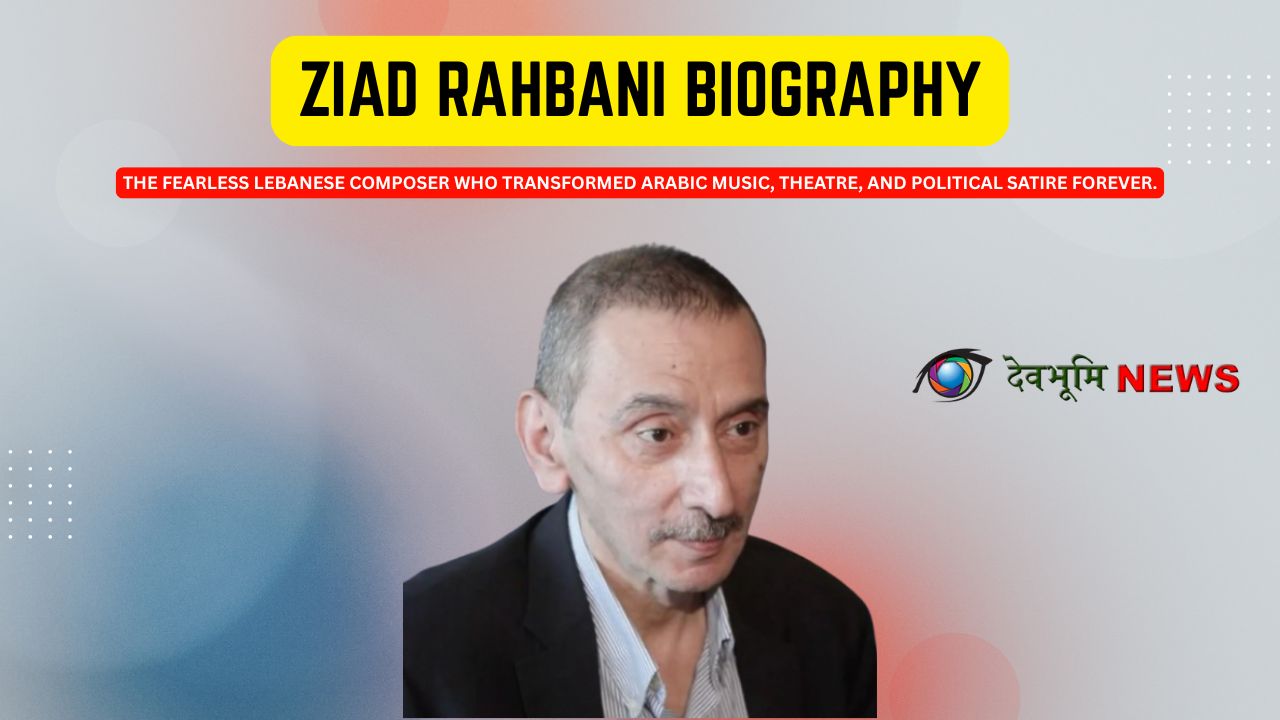
Ask anyone in Lebanon about Ziad Rahbani, and you will likely get the same three-word answer: “Ziad? He is a genius.” But genius is too small a word for a man who composed his first song at 17, wrote plays that made an entire nation laugh through its civil war, introduced jazz to Arabic music, and never once softened his politics to protect his career. The Ziad Rahbani biography is, in many ways, the biography of Lebanon itself – brilliant, chaotic, bruised, and impossible to look away from.
Who is Ziad Rahbani?
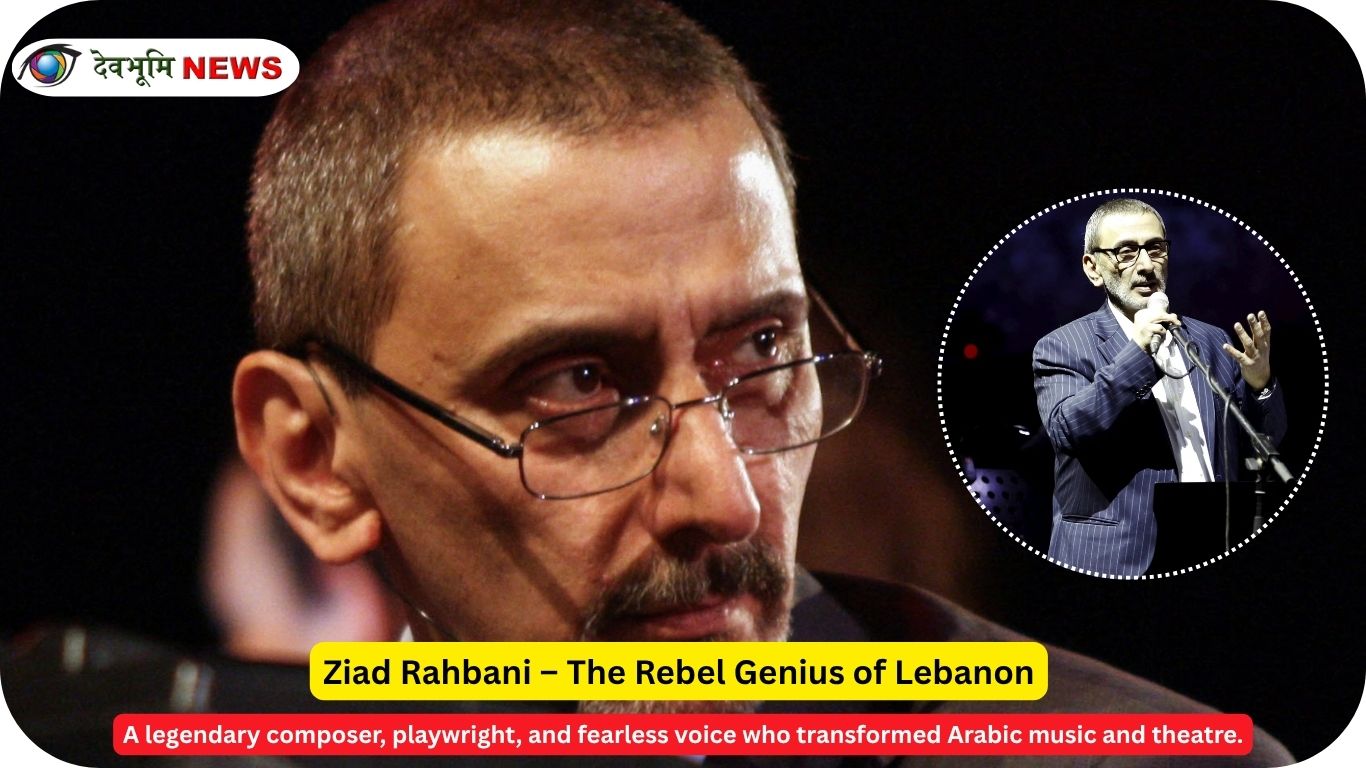
Ziad Rahbani (Arabic: زياد الرحباني) was a Lebanese composer, pianist, playwright, and political commentator. Born on 1 January 1956 in Antelias, Lebanon, he was the son of legendary singer Fairuz and celebrated composer Assi Rahbani. Over a career spanning more than five decades, he reshaped Arabic music by blending jazz, bossa nova, and funk with Levantine melodies, while his satirical plays became the cultural soundtrack of Lebanon’s long and painful civil war. He passed away on 26 July 2025 at the age of 69 following a heart attack in Beirut, leaving behind an irreplaceable legacy.
1956
Born, Antelias, Lebanon
17
Age when he wrote his first major song
10+
Major theatrical productions
10+
Major artistic milestones
69
Age at passing, July 2025
Ziad Rahbani Early Life and Background
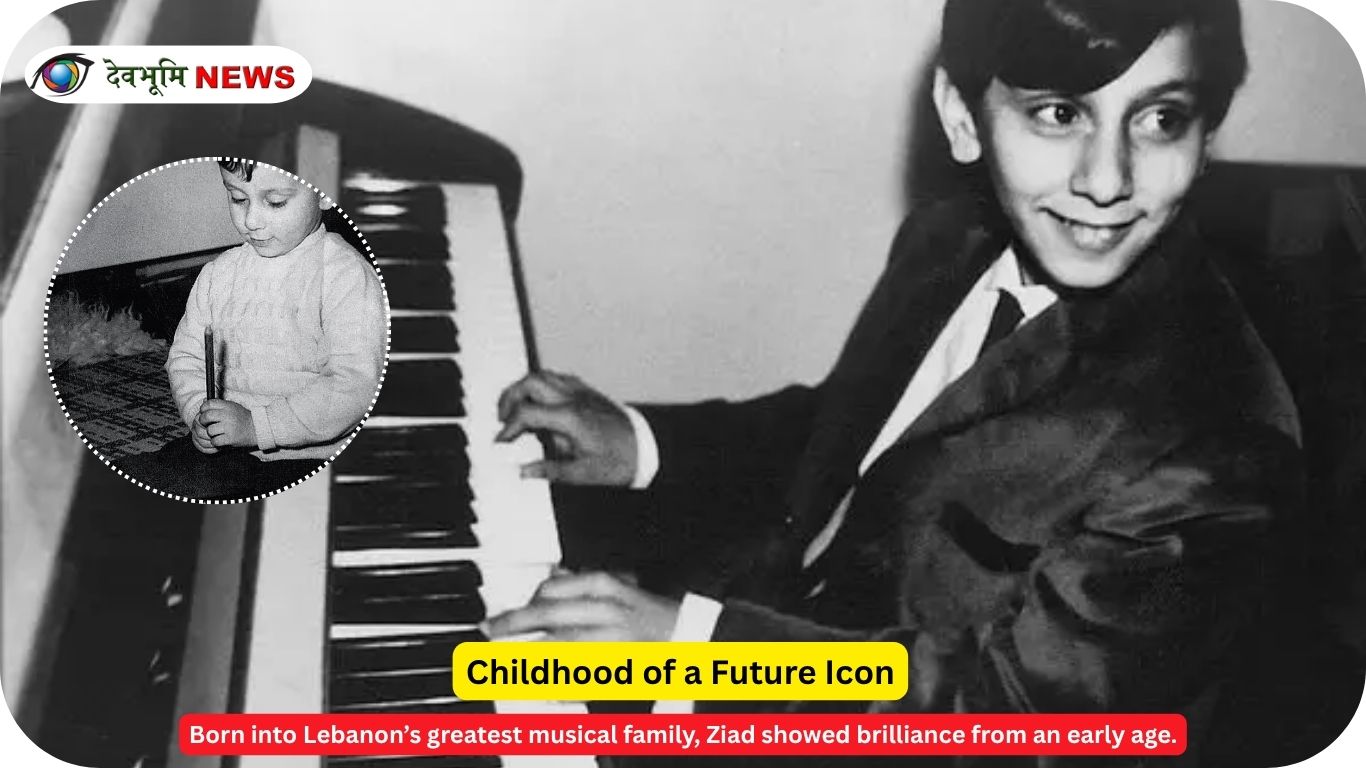
Ziad Rahbani was born into a world already saturated with music. His birthplace, Antelias – a coastal town a few kilometres north of Beirut – was a Maronite Christian community, though Ziad would grow up to defy nearly every expectation that background placed on him. He was educated at a Jesuit school, where his intellectual curiosity flourished early.
His first known artistic work, Sadiqi Allah (“My Friend God”), was a collection of writings composed between 1967 and 1968, when he was only around 12 years old. In it, he wrote with a precocious philosophical clarity: “There are no true writers on earth; we only write to record our daily lives.” When the collection was published, it gave early audiences a window into the restless, probing mind that would later redefine Lebanese culture.
Ziad Rahbani Family Legacy
The Rahbani dynasty
The Rahbani name was already synonymous with Arab musical greatness long before Ziad arrived. His father, Assi Rahbani, and his uncle, Mansour Rahbani, were known throughout the Arab world as the “Rahbani Brothers” – a duo who pioneered a new musical language by blending classical Arabic music, Lebanese folklore, and Western orchestration. His mother, Fairuz (born Nihad Haddad), was – and remains – one of the most iconic voices in Arabic music history.
Growing up inside this extraordinary household was both a gift and an immense weight. Ziad had access to musical brilliance from his earliest days, but he would also spend much of his career carving his own identity from beneath the towering shadow of the Rahbani legacy.
👉 Read Also:
- Andrew Santino Net Worth 2026: Biography, Income & Rise
- Matthew Schissler Net Worth 2026: Biography, Career, Income Sources & Business Ventures
- Apostle Kathryn Krick Biography: Age, Ministry, Net Worth & 5F Church (2026)
- Cody Jinks Biography 2026: From Fort Worth Metal Vocalist to Outlaw Country’s Most Independent Star
- Pastor Ken Graves Biography 2026: From Maine’s Poorest Kid to Calvary Chapel Bangor Founder
- Lourenco Goncalves Biography 2026: From Brazilian Steel Mills to Chairman & CEO of Cleveland-Cliffs Inc.
When he stepped into his father’s shoes
In 1973, when Assi Rahbani was hospitalised following a serious illness, seventeen-year-old Ziad was handed a task that would have daunted most adult professionals: compose the music for a song his uncle Mansour had written about his father’s forced absence. The result was “Saalouni El Nass” (“People Asked Me”), performed by Fairuz. The song became a classic – and Ziad’s name was suddenly known far beyond the family circle.
“My music is not Western, it’s Lebanese, with a different way of expression.”— Ziad Rahbani
Ziad Rahbani Career Journey
Music composition and the birth of Oriental jazz
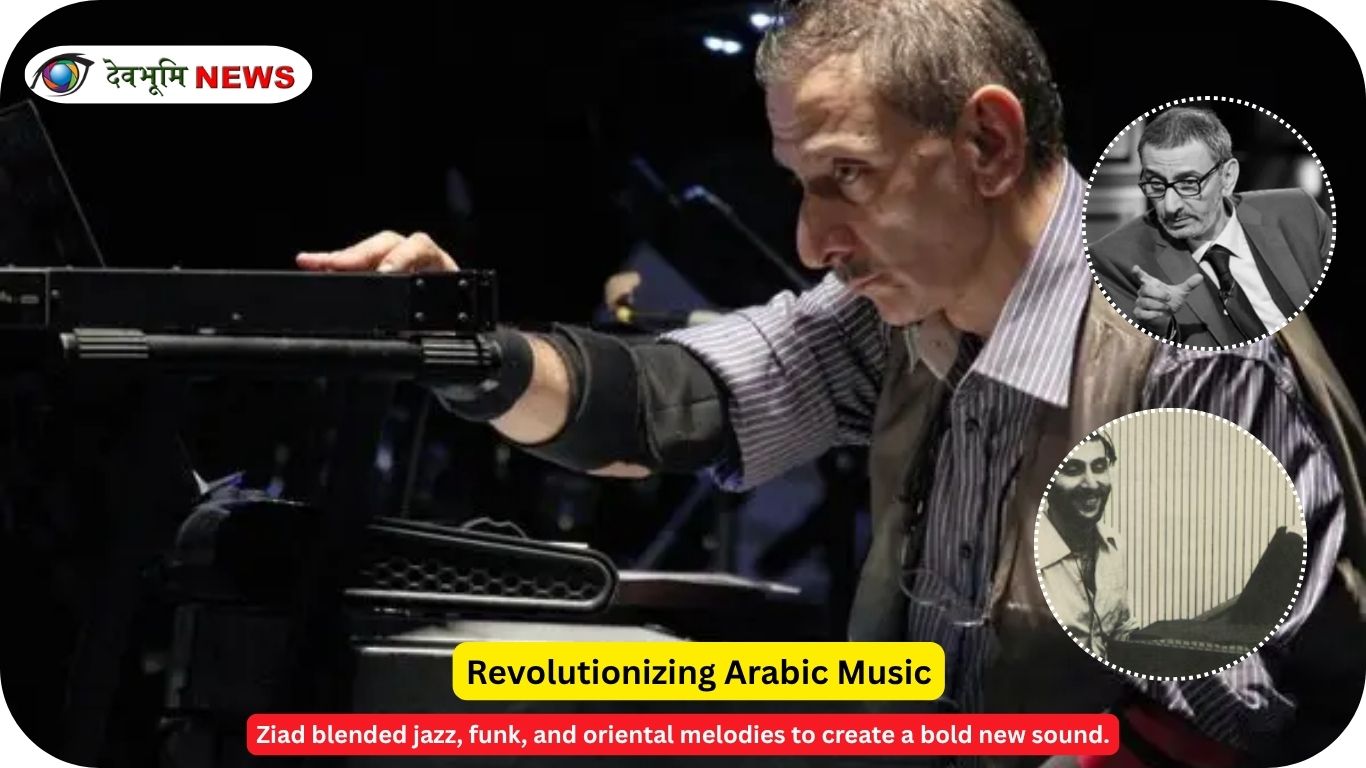
Ziad’s musical evolution was never predictable. While the Rahbani Brothers had built their legacy on folkloric Lebanese melodies, Ziad was listening to Charlie Parker, Stan Getz, and Dizzy Gillespie. He began weaving jazz, funk, bossa nova, and even disco into the fabric of Arabic music – creating what he called “oriental jazz,” a genre that had never quite existed before.
His 1979 production of Wahdon (“By Themselves”) for Fairuz, recorded in Greece, marked a seismic shift. The album’s urban feel and jazz-inflected arrangements introduced Fairuz to a new generation. Later collaborations – including the landmark Houdou Nisbi (1984), Kifak Inta (1991), and Wala Keef (2002) – cemented this new direction, revitalizing his mother’s career while pushing Arabic music into territory it had never explored.
Theatre and plays
Ziad’s theatrical work is where his political voice found its sharpest edge. His plays were not gentle entertainments – they were surgical strikes against Lebanon’s political establishment, dressed in music, dark humour, and irresistible wit. He launched his theatrical career at the Bkennaya Theater in Sahriyyeh, and quickly developed a signature style: absurdist characters trapped in systems they cannot escape, laughing so they won’t cry.
His 1974 play, Nazl el-Sourour (“Happiness Hotel”), premiered when he was just 17 and portrayed workers demanding their rights, only to be dismissed by the ruling class. It was a template he would return to repeatedly. Film Ameriki Tawil (“A Long American Movie,” 1980) – arguably his most iconic work – placed characters in a psychiatric hospital, using their absurd conversations to mirror the madness of Lebanon’s civil war with Beckettian precision.
Other plays – Bennesbeh Labokra Chou? (“What About Tomorrow?,” 1978), Bil Nisbeh La Bukra Shou, and Hala W Ghaby – each satirised Lebanese sectarianism and social inequality with a wit that made audiences laugh even as they recognized their own circumstances.
Political commentary
Ziad Rahbani never hid his politics. He was a proud supporter of the Lebanese Communist Party and wrote regularly for newspapers including al-Nida and al-Nahar. He wore the scarf of the left-wing Popular Front for the Liberation of Palestine at public events and gave concerts in solidarity with Gaza. In a country where artists routinely softened their political views to protect their commercial appeal, Ziad did the opposite – and his audience loved him more for it.
Ziad Rahbani Major Works and Achievements
Ziad Rahbani Career Milestones
From poetry to theatre, jazz to revolutionary music — a journey that shaped modern Arab culture.
Sadiqi Allah
Debut poetry and writing collection, composed from age 12.
Saalouni El Nass
First major composition for Fairuz, became an Arabic classic.
Nazl el-Sourour
Breakout satirical play on class inequality.
Bennesbeh Labokra Chou?
Landmark political musical theatre production.
Wahdon
Album for Fairuz that introduced jazz arrangements to her repertoire.
Film Ameriki Tawil
His most celebrated play, an absurdist masterpiece of civil war-era Lebanon.
Houdou Nisbi
Landmark oriental jazz album.
Kifak Inta
Album with Fairuz — a defining record of modern Arabic music.
Wala Keef
His most jazz-infused Fairuz collaboration.
The Kite
Starred in Randa Chahal Sabbagh’s acclaimed film.
Ziad Rahbani Personal Life
Ziad Rahbani was married to Dalal Karam. The couple had a son named Assi, though the marriage later ended in divorce. Ziad was also in a long relationship with Lebanese actress Carmen Lebbos, who publicly mourned his passing with heartfelt words on social media.
In his personal habits, Ziad was famously a chain smoker throughout most of his adult life – a fact his doctors often raised with him. He was also reported to have been in declining health in his final years, with reports indicating he had been advised to undergo a liver transplant but declined surgery.
Ziad Rahbani Net Worth / Income Sources
No verified, publicly audited figure for Ziad Rahbani’s net worth exists in the public record. His income derived primarily from his extensive music catalogue – including compositions for Fairuz – royalties from his theatrical works, live performances, and his work as a journalist and commentator. Given the scale and endurance of his contributions to Arabic music, his body of work represents significant cultural and commercial value, though exact figures have never been publicly disclosed.
Ziad Rahbani Challenges and Public Debates
Ziad’s life was not without controversy. His political outspokenness made him a polarising figure in Lebanon’s deeply sectarian landscape. Born into a Maronite family, he rejected right-wing politics entirely, embracing the communist left – a choice that alienated some and made him a hero to others.
His personal life also drew public scrutiny, particularly the circumstances of his marriage and the paternity dispute surrounding his son Assi, which was reported after his marriage to Dalal Karam ended. More broadly, the weight of being Fairuz’s son – with all the expectations and comparisons that entailed – was a burden he carried publicly throughout his career. He famously disliked being called a “genius,” viewing the label as a way of mythologising him rather than engaging seriously with his work.
Latest Updates / Current Status (2025 – 2026)
Ziad Rahbani passed away on 26 July 2025 at a hospital in Beirut at approximately 9:00 am, following a heart attack. He was 69 years old. His death prompted an outpouring of grief across Lebanon and the wider Arab world. Lebanon’s President Joseph Aoun described him as “a living conscience, a voice that rebelled against injustice.”
On 6 August 2025, the Lebanese Cabinet approved renaming Hafez al-Assad Avenue – a major road linking Beirut to the Beirut–Rafic Hariri International Airport – to Ziad Rahbani Avenue, in a formal tribute to his legacy. In the months following his passing, younger generations continued to rediscover his plays online and sample his music in protest movements, confirming that his influence endures long past his lifetime.
Interesting Facts about Ziad Rahbani
- He wrote his first literary collection, Sadiqi Allah, between the ages of 12 and 13.
- He composed his first professional song – “Saalouni El Nass” – at the age of just 17, stepping in for his ailing father.
- He is widely credited with introducing jazz, funk, and bossa nova into mainstream Arabic music.
- He appeared as an actor in his own theatrical productions and in the 2003 film The Kite.
- He was a card-carrying member of the Lebanese Communist Party and wore political symbols openly at concerts.
- He hated being called a “genius,” finding the label dismissive rather than celebratory.
- A major Beirut avenue was renamed in his honour just eleven days after his death.
- His plays’ dialogue is reportedly memorized by heart by generations of Lebanese – both young and old.
Frequently Asked Questions – Ziad Rahbani
What is Ziad Rahbani best known for?
Ziad Rahbani is best known for his pioneering role in blending jazz, funk, and bossa nova with traditional Arabic music – creating what he called “oriental jazz” – and for his politically charged theatrical plays that satirised Lebanon’s civil war era and sectarian politics. His music compositions for his mother, Fairuz, also remain among the most celebrated works in modern Arabic music.
Who are Ziad Rahbani’s parents?
Ziad Rahbani’s father was Lebanese composer Assi Rahbani, one half of the legendary “Rahbani Brothers” duo. His mother is Fairuz (born Nihad Haddad), widely regarded as the greatest living legend of Arabic song and one of the most celebrated women in the Arab world.
What was Ziad Rahbani’s first major work?
His first major musical work was the song “Saalouni El Nass” (“People Asked Me”), which he composed at 17 when his father, Assi Rahbani, was hospitalized. The song, performed by Fairuz, became an Arabic classic and marked Ziad’s entry into the professional music world.
When did Ziad Rahbani die?
Ziad Rahbani passed away on 26 July 2025 at the age of 69, following a heart attack at a hospital in Beirut, Lebanon. He had been in declining health for several years prior to his death.
What is Ziad Rahbani’s most famous play?
Film Ameriki Tawil (“A Long American Movie,” 1980) is widely considered his most iconic theatrical work. Set in a psychiatric hospital, the play uses absurdist dialogue to mirror the chaos and hopelessness of Lebanon’s civil war, drawing comparisons to the works of Samuel Beckett.
What were Ziad Rahbani’s political beliefs?
Ziad Rahbani was a committed leftist and a supporter of the Lebanese Communist Party. Despite being born into a Maronite Christian family in a right-wing controlled area, he rejected sectarianism entirely, championing the causes of the poor and marginalized throughout his career.
Conclusion:-
The Ziad Rahbani biography is a story of extraordinary talent meeting extraordinary circumstance. Born at the intersection of Lebanon’s golden cultural age and its most violent modern chapter, Ziad chose to document both with unflinching honesty – through music that swung between jazz cafés and mountain villages, and through plays that made audiences laugh at their own catastrophe.
He refused to be the dutiful heir to his parents’ legacy, and in doing so, he created a legacy of his own that may prove even more durable. His plays are still quoted by Lebanese people of all ages. His musical innovations still echo through Arabic pop, jazz, and protest songs. His political commentary, sharp as ever, still feels painfully relevant in a Lebanon that has changed so little.
When a nation renames a street after an artist eleven days after his death, it is saying something simple and true: this person belonged to us. Ziad Rahbani belonged to Lebanon – and to everyone, everywhere, who has ever used art to say what politics could not.
Sources & References
Last Updated: April 27, 2026
Disclaimer: All net worth figures mentioned in this article are estimates based on publicly available information, media reports, and known business activities. No official financial disclosures have been made. These numbers should not be treated as verified facts.