Join
Join
 Shorts

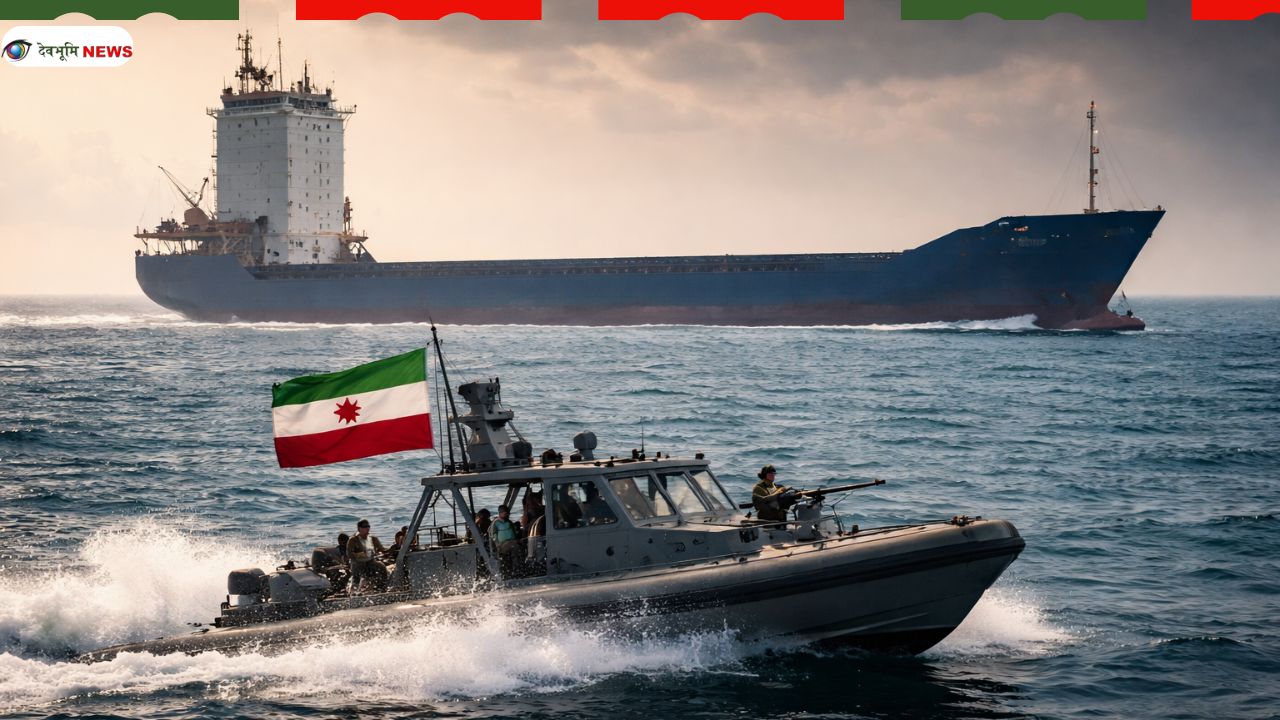
Oil Prices Surge as Trump Claims Seizure of Iranian Ship: The global commodity market slid sharply as tensions over the Strait of Hormuz intensified, ending any hopes of peace. Prices for oil soared when Donald Trump said the United States had taken control of an Iranian-owned cargo vessel, causing new concerns about supply disruptions.
The benchmark international Brent crude jumped over 5% to a price of $95 a barrel, and US crude too posted impressive gains. The increase has reversed the sharp declines of last Friday when the prices decreased following Iran’s temporary decision to permit commercial shipping to pass through the Strait.
Brief Calm Ends as Strait Closes Again
Markets briefly stabilized following Iran announced that vessels would be able to travel through the Strait of Hormuz during a brief ceasefire. This triggered an accelerated decline in oil prices. Brent crude had dropped up to 13%, and tanker traffic through the Strait increased to its highest since the war began.
However, the situation changed once more over the weekend. Iran reinstated restrictions after the US kept its naval blockade and warned that ships visiting the region might be targeted. The decision also raised doubts about the possibility of peace talks as Tehran not announcing any plans to join.
The Strait of Hormuz remains a important global energy route with about 20% of the global oil and gas supply and causing any disruption to be major risk for the global market.
Read More:
- North Korea Missile Launch: Fresh Tensions Rise in East Asia
- Rumen Radev’s Progressive Bulgaria Heads for Landslide Victory in Election Shake-Up
- Petrol Diesel Price Update: No Hike Today Despite Global Crude Oil Fluctuations
Aluminium Market Hit by Supply Concerns
The turmoil has also impacted metals markets, especially Aluminum. Prices dropped by more than 5.5 percent on Friday despite optimism that tensions are easing, however, the reopening of the border has rekindled the fears of disruptions to supply.
The Middle East accounts for nearly 9 percent of the world’s Aluminum production and is a major source of aluminium to Europe. It is extremely dependent on geopolitical developments within the region.
Supply Disruptions Deepen Structural Deficit
The ongoing issues at the major manufacturing facilities, such as Emirates Global Aluminum’s Al Taweelah smelter, reduced production in the Aluminium Bahrain (Alba) as well as earlier reductions at Qatalum which could result in the removal of approximately 3 million tonnes a year of capacity, which is nearly half of the total region’s production.
Analysts are warning that the aluminum market is already experiencing an imbalance in structural terms, and could increase to about 2 million tonnes if the disruptions persist. Since restarting smelting operations can be complicated and takes a long time the supply constraint is likely to keep prices steady regardless of the ongoing fluctuation.
Conclusion:
The escalating tensions in and around the Strait of Hormuz have once yet again demonstrated the fragility of supply chains across the globe remain during the midst of geopolitical conflicts. The dramatic shifts in Brent price for aluminium and crude show a market driven by political uncertainty as it is by actual disruptions to supply.
The standoff between Iran and the United States is escalating following the announcement of Donald Trump, and no evident progress in negotiations threats to the energy sector and industrial metal supply are expected to continue. This means that the global market is likely to remain volatile for the near time, with traders and governments keeping an eye on changes in this region and planning for the possibility of further interruptions.