Join
Join
 Shorts

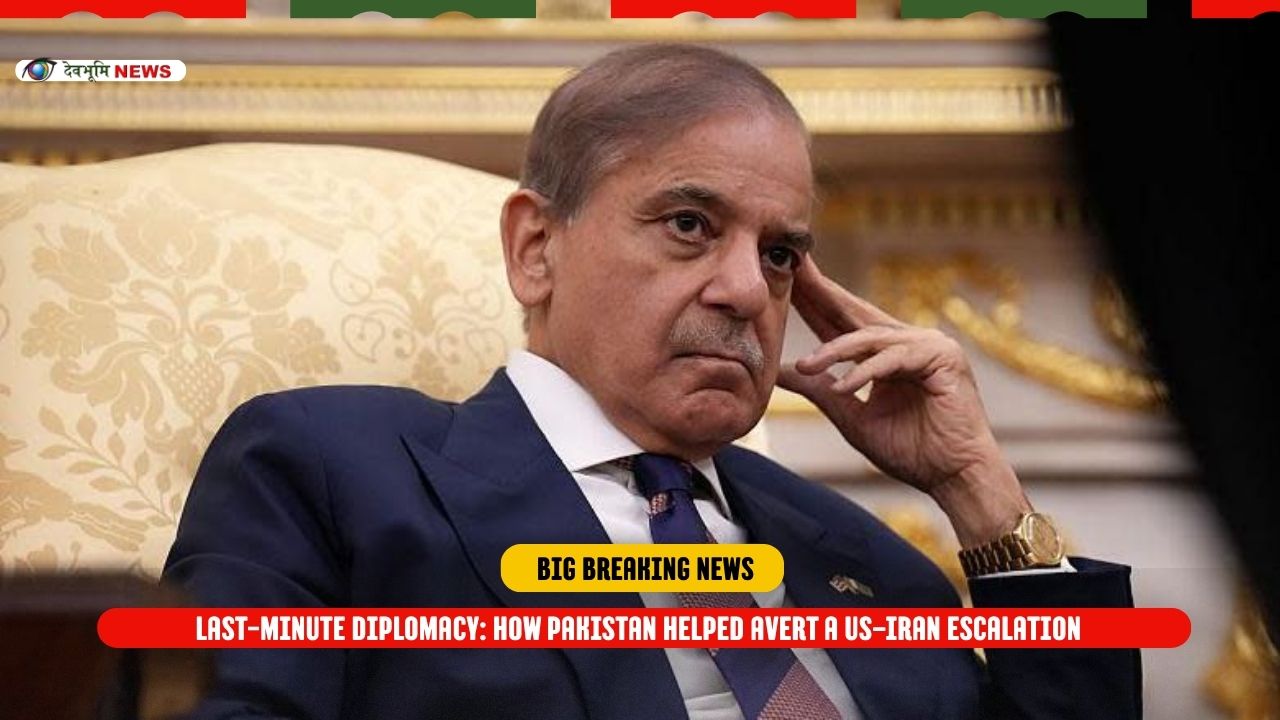
In the last hours before the announcement of a two-week ceasefire that was to be signed between United States and Iran was declared, Pakistan emerged as a important mediator behind the scenes, helping stop a further rise in tensions within the Middle East.
According to those who have been involved in the talks, Pakistan played a quiet but important role in the process of intermediary, aiding communications with Washington as well as Tehran. An anonymous source confirmed that talks were moving “at pace” and described the mood being “sombre and serious but still hopeful.”
Pakistan’s Backchannel Diplomacy
Over the last few months, Pakistan has acted as a crucial link between two rivals, transmitting messages and trying to ease tensions. Its strategic position — sharing the boundary between it and Iran as well as maintaining its diplomatic relations with the United State–has allowed it to effectively function as an intermediary neutral.
The long-standing relationship between Pakistan and Iran of which it is often described as “brotherly,” has been strengthened by its re-established relations to the US. In particular the ex- US president Donald Trump has publicly praised Pakistan’s military, which includes Field Marshal Asim Munir. He has also emphasized Islamabad’s potential role in diplomatic relations in the region.
Ceasefire Talks Under Pressure
Despite optimism, the road to a ceasefire remains uncertain. The Pakistani Foreign Minister Ishaq Dar told parliament that negotiations were moving forward, but new violence in the region threatened to hinder efforts.
Recent incidents, including Israeli strikes against Iran as well as Iranian actions targeted at Saudi Arabia, complicated the diplomatic environment. Pakistan was quick to respond with unusually firm criticism field Marshal Munir warning that these actions could affect “sincere efforts” toward peace.
Read also:-
- Air India CEO Campbell Wilson Resigns Amid Crisis
- Prime Minister Modi ‘s vijay mantra at Cooch Behar rally 2026: “korbo Lorbo Jeetbo”
Regional Stakes and Strategic Pressure
Experts believe that Pakistan’s strong policy may have increased pressure on Iran particularly because of Islamabad’s defense links to Saudi Arabia. Although the defense pact has been inactive, the repeated attack at Saudi territories have raised questions in Islamabad.
In the meantime, Pakistan continued pushing for an end to the escalation. Just after midnight the Prime Minister Shehbaz Sharif said that the diplomatic process was “progressing steadily” and urged the extension of talks for two weeks. He also called for restarting of the vitally important Strait of Hormuz during this time.
The Iranian Ambassador in Pakistan, Reza Amiri Moghadam expressed cautious optimism in announcing that discussions were moving past an “critical, sensitive stage.”
A Fragile Breakthrough
Within hours, Pakistan announced that a ceasefire agreement was reached. Islamabad is now inviting the US as well as Iran to take part in additional discussions scheduled for the 10th of April with the aim of transforming the ceasefire into a long-lasting agreement.
But, officials are in a cautious mood. The situation is still in flux and that there is still a lot of mistrust among Washington as well as Tehran. Although Pakistan’s mediation has opened an opportunity for diplomatic efforts, there are still significant obstacles until a permanent solution is achieved.