Join
Join
 Shorts

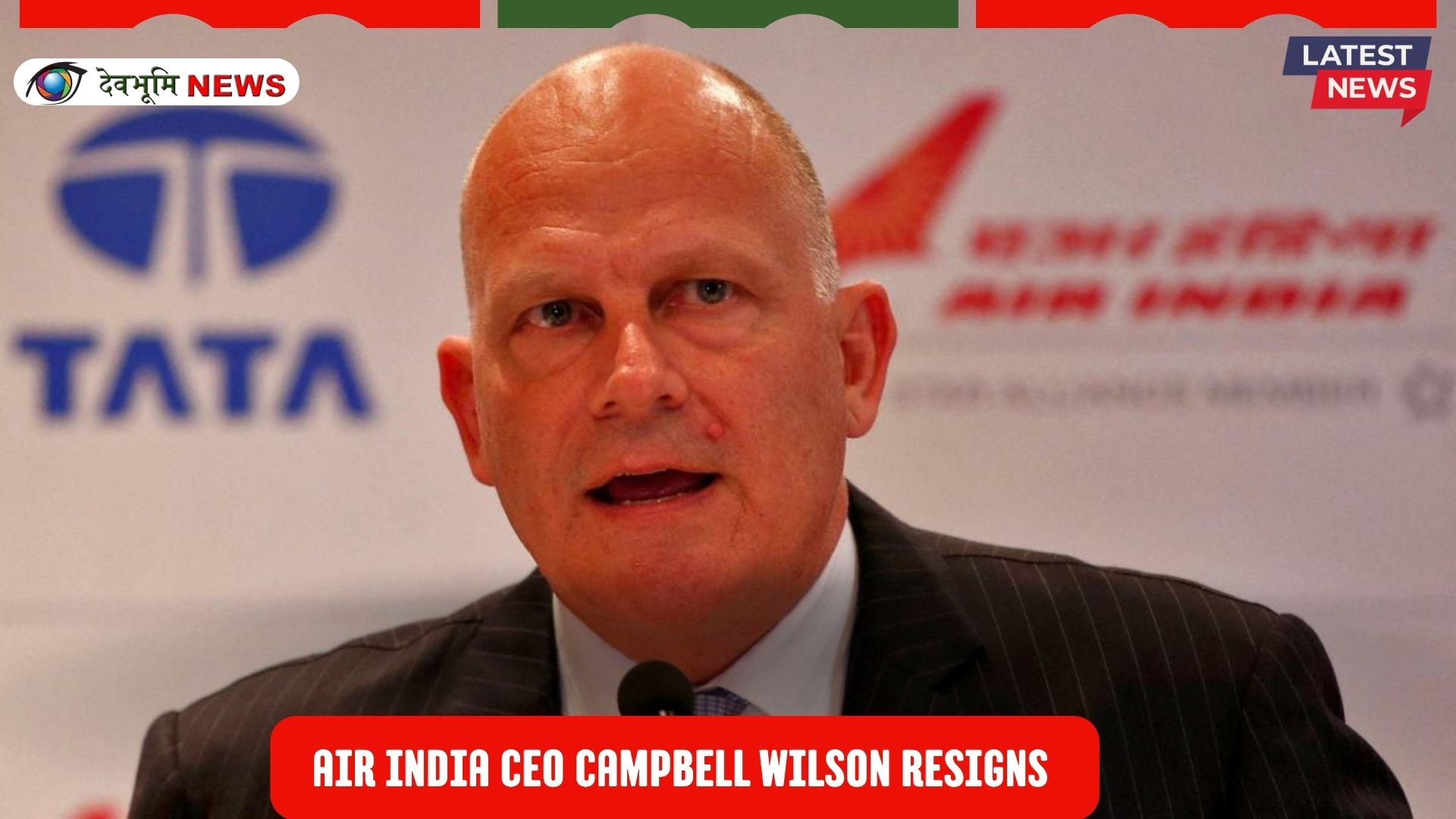
In a major leadership shake-up in India’s aviation sector, Campbell Wilson has officially resigned as Chief Executive Officer and Managing Director of Air India on April 7, 2026. The announcement, confirmed by the airline, comes at a pivotal moment marked by both transformative progress and mounting operational and financial challenges.
Wilson will continue in his role during a transition period of up to six months until a successor is appointed. The airline’s board has already formed a search committee to identify the next leader who will steer Air India through its next phase.
Planned Exit, Not a Sudden Move
While the resignation may appear abrupt given recent headlines, reports indicate that Wilson had internally communicated his intention to step down as early as 2024 to Natarajan Chandrasekaran. The timeline was reportedly structured to ensure leadership continuity once the airline’s foundational restructuring was in place.
In his farewell communication, Wilson described the move as a “natural juncture,” emphasizing that key building blocks of Air India’s ambitious turnaround strategy have now been established.
Shadow of the Ahmedabad Crash
A major factor influencing the timing and scrutiny surrounding Wilson’s resignation is the aftermath of the Air India Flight AI 171 crash in Ahmedabad on June 12, 2025.
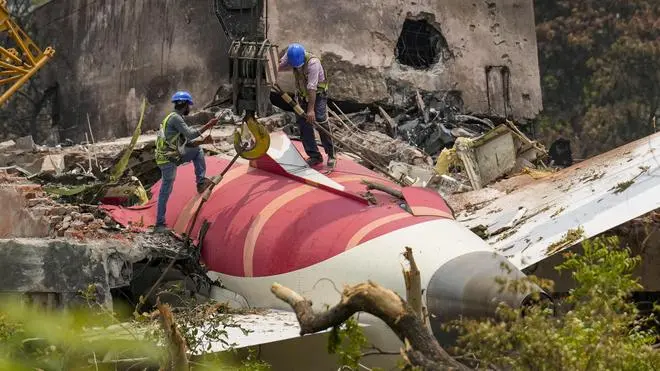

The crash, involving a Boeing 787 Dreamliner, resulted in over 240 fatalities, making it one of the most tragic aviation disasters in recent Indian history. Since then, Air India’s leadership has faced intense regulatory scrutiny, public criticism, and operational audits.
While no official statement directly links the resignation to the crash, industry observers widely believe that the prolonged fallout significantly increased pressure on the airline’s top leadership.
Financial Pressures and External Challenges
Air India’s transformation journey has been anything but smooth. The airline is currently navigating a complex mix of internal restructuring and external disruptions.
One of the most significant challenges has been the closure of Pakistani airspace to Indian carriers, which has forced longer flight routes to Europe and North America. This has led to higher fuel consumption and increased operational costs.
Additionally, rising global crude oil prices have further strained the airline’s finances. Despite aggressive expansion and modernization efforts, Air India is projected to post substantial losses in FY26, with some estimates suggesting figures nearing ₹20,000 crore.
These pressures highlight the difficult balancing act between long-term growth investments and short-term financial sustainability.
A Transformational Yet Turbulent Tenure
Wilson’s tenure, which began in 2022 after Air India’s acquisition by the Tata Group, will be remembered as one of the most ambitious phases in the airline’s history.
Key achievements include:
- A historic order of nearly 500 aircraft to modernize the fleet
- A complete brand overhaul aimed at repositioning Air India globally
- Implementation of the Vihaan.AI transformation plan
- Integration of multiple Tata aviation entities, including Vistara and AirAsia India, into a unified structure
These initiatives laid the groundwork for Air India’s long-term revival, but execution challenges and external shocks have slowed visible outcomes.
What Lies Ahead for Air India
The focus now shifts to the airline’s future leadership. The incoming CEO will inherit a company that is simultaneously rebuilding, expanding, and recovering from crises.
Key priorities for the next leader will include:
- Stabilizing operations and improving reliability
- Managing financial losses while sustaining growth
- Completing integration across airline entities
- Restoring public trust post-crisis
For the Tata Group, Air India remains a cornerstone of its global aviation ambitions. The leadership transition is therefore not just about replacing a CEO—it is about ensuring continuity in one of the most complex turnarounds in modern aviation.
Breaking News:-
- Ishan Kishan Biography 2026: Age, Net Worth, IPL Salary, Stats & Crazy Facts
- Nitin Nabin Biography in Hindi || युवा नेता जिसे मोदी-शाह ने चुना 2026
- Apple iPhone 18 Pro Max Price Guide – India, USA & Global Markets
Conclusion
The resignation of Campbell Wilson marks the end of a critical chapter in Air India’s revival story. His tenure successfully laid the structural and strategic foundation for transformation, but it also coincided with unprecedented challenges.
As Air India enters its next phase, the stakes remain high. With the right leadership and execution, the airline has the potential to re-emerge as a global powerhouse—but the road ahead will demand resilience, precision, and trust-building at every level.