Join
 Shorts

The global garment industry is witnessing a significant shift as leading international fashion brands are moving a portion of their clothing orders from Bangladesh to India. The decision comes amid growing labour unrest, rising production costs, energy shortages and political uncertainty in Bangladesh. India has emerged as the biggest beneficiary of this development, creating new opportunities for its textile and garment manufacturing industries.
According to a Reuters report published on November 27, 2026, global fashion retailers have diverted approximately $254 million worth of orders from Bangladesh between November 1 and 18. This represents nearly one-tenth of the country’s monthly garment orders and highlights the growing challenges faced by Bangladesh’s textile sector.
Labour Unrest Disrupts Bangladesh’s Garment Industry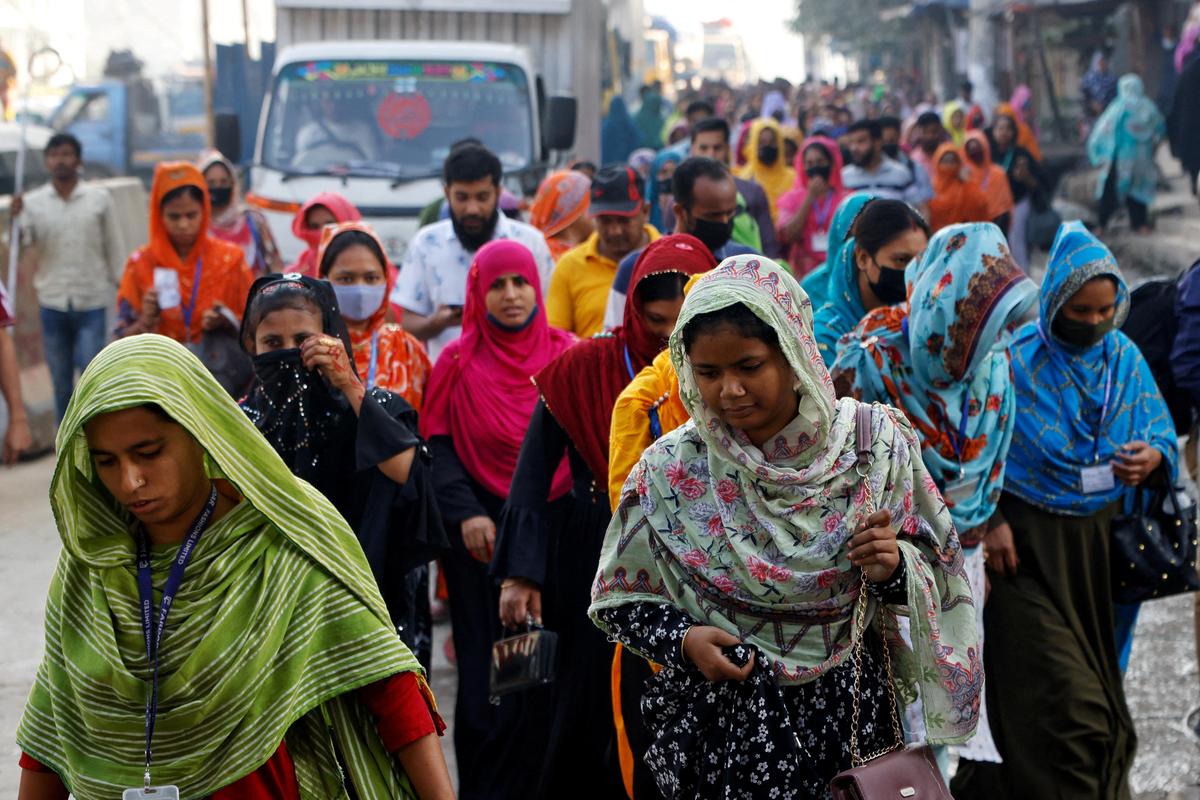
Bangladesh is one of the world’s largest garment manufacturing and exporting countries, ranking second after China. Its textile industry plays a crucial role in the national economy, contributing more than 80 per cent of the country’s export earnings and providing nearly 40 per cent of manufacturing jobs.
However, recent protests by garment workers demanding higher wages have disrupted factory operations. Demonstrations, clashes with police and temporary factory closures have affected production schedules and delayed international orders.
According to the Bangladesh Garment Manufacturers and Exporters Association (BGMEA), the protests have caused production losses exceeding $400 million. These disruptions have raised concerns among international buyers about the reliability of Bangladesh as a major sourcing destination.
Major International Brands Shift Orders to India
Several well-known global fashion retailers, including Zara, H&M, Marks & Spencer and Celio, are reportedly among the brands that have shifted some of their orders away from Bangladesh.
India has received the largest share of these diverted orders. Other countries benefiting from the shift include Vietnam, Cambodia and Indonesia.
The decision reflects the growing importance of reliable production, timely deliveries and supply-chain stability in the international fashion industry.
Although the brands have not publicly confirmed all the reported order diversions, factory owners in Bangladesh have indicated that international buyers are exploring alternative manufacturing destinations.
Rising Wages and Production Costs Add to Pressure
Another major reason behind the shift is the increasing cost of garment manufacturing in Bangladesh.
The Bangladeshi government recently approved a 36 per cent increase in the minimum wages of garment workers. However, the decision fell short of workers’ demands for more than double their existing wages, leading to further protests.
While higher wages are important for improving workers’ living standards, they also increase manufacturing expenses for companies.
In addition, rising electricity costs, energy shortages and expensive raw materials have further weakened Bangladesh’s traditional advantage as a low-cost manufacturing destination.
Industry representatives believe that manufacturers are facing increasing pressure because international brands continue to demand competitive prices.
India Gains a Competitive Advantage
India’s textile and garment industry could benefit significantly from this development. The country has a well-established textile manufacturing ecosystem, a large workforce, access to raw materials and a growing network of garment exporters.
Indian manufacturers are also attracting international buyers because of their ability to offer competitive production costs and comparatively faster delivery schedules.
According to industry representatives, India can provide buyers with a delivery advantage of approximately one week compared with Bangladesh. Other competing countries, such as Vietnam and Cambodia, can reduce delivery times by up to 15 days.
This advantage is particularly important for fashion companies that operate on tight production schedules and need to respond quickly to changing consumer demand.
Opportunities for Indian Textile Companies
The shift in international orders could create new business opportunities for Indian textile manufacturers and exporters.
Companies involved in garment production, cotton textiles, home furnishings and fabric manufacturing may receive additional orders from international buyers.
Following the Reuters report, shares of several Indian textile companies witnessed gains. Gokaldas Exports rose as much as 11 per cent, while Trident gained around 5 per cent. Other companies, including Welspun Living, KPR Mill and Vardhman Textiles, also recorded gains.
However, the long-term benefits will depend on whether Indian manufacturers can maintain product quality, competitive pricing and timely deliveries while handling increased demand.
Challenges Facing Bangladesh
The biggest concern for Bangladesh is that temporary order diversions could turn into permanent business losses.
Factory owners have reported that some international buyers have postponed, cancelled or shifted orders to alternative manufacturing destinations.
Bangladesh’s manufacturers are also dealing with production backlogs, with factories around Dhaka reportedly losing 20 to 25 production days.
Political uncertainty and energy shortages have further weakened confidence among international buyers. Industry leaders warn that restoring stability and uninterrupted production will be essential to rebuilding trust.
Read more like this:
- पेंशन अटकने से बचाना है तो 30 नवंबर तक पूरा करें यह काम, 1 दिसंबर से नए NPS नियम होंगे लागू
- फ्री-फ्लो टोल प्लाजा पर जानबूझकर वाहन की नंबर प्लेट छिपाने पर यूजर फीस का पांच गुना जुर्माना
Conclusion
The shifting of global fashion orders from Bangladesh to India represents an important development in the international garment industry. Labour unrest, rising wages, energy shortages and political instability have created challenges for Bangladesh, while India is emerging as an attractive alternative for global fashion brands.
This development offers India an opportunity to strengthen its position in the global textile and apparel market, attract foreign investment and increase garment exports.
However, India must improve manufacturing capacity, infrastructure, labour productivity and supply-chain efficiency to convert this temporary opportunity into long-term growth. Ultimately, political stability, competitive pricing and reliable production will determine which countries become the preferred destinations for global fashion brands.