Join
 Shorts

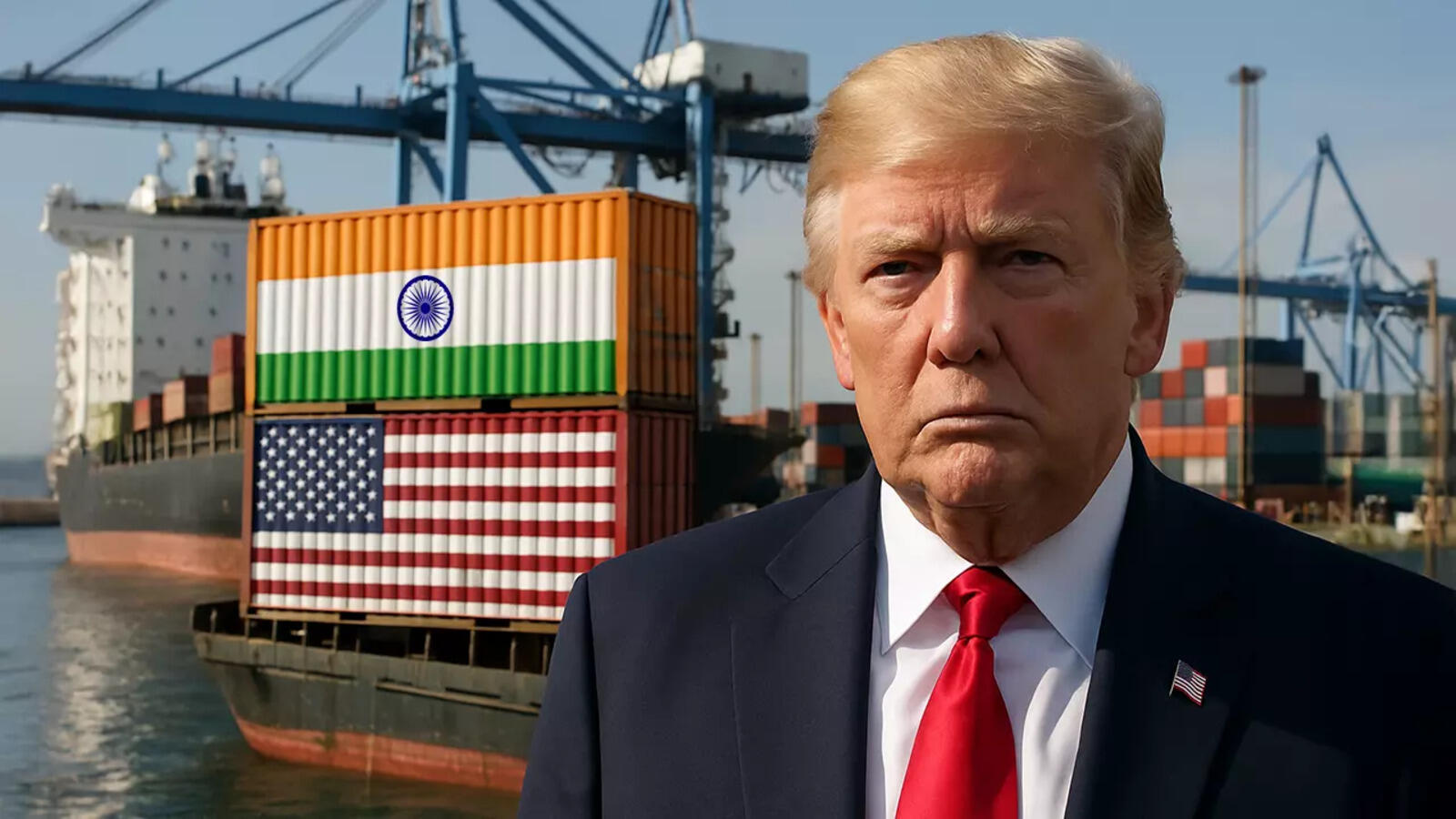
The United States (US) has announced a new 25% tariff on goods imported from India, making it the second-highest tariff imposed among 14 countries targeted under its latest trade action. The announcement, made on November 25, 2026, has raised concerns about India’s exports, bilateral trade relations and the future of economic cooperation between the two countries.
According to the United States Trade Representative (USTR), the proposed tariffs are linked to concerns about India’s trade policies and structural excess capacity. Vietnam is the only country among the 14 facing a higher tariff, at 35%.
Why Has the United States Imposed These Tariffs?
Concerns Over Trade Practices
The U.S. government has argued that certain Indian policies and practices create or contribute to structural excess capacity, affecting American producers and exporters. According to the USTR, these practices restrict commercial opportunities for American businesses and contribute to economic challenges in the United States.
The U.S. administration believes that such trade practices create unfair competition and negatively affect domestic manufacturing industries.
Section 301 Investigation
The latest action follows investigations initiated by the USTR in March 2026 under Section 301 of the U.S. Trade Act. These investigations examined trade-related concerns involving several American trading partners, including India.
One investigation focused on forced labour, while another examined structural excess capacity. The newly announced 25% tariff is associated with the second investigation.
India Gets the Second-Highest Tariff
Comparison With Other Countries
Among the 14 economies covered by the latest action, India faces the second-highest proposed tariff rate.
Vietnam has been subjected to a 35% tariff, while India’s proposed rate stands at 25%.
Other countries face comparatively lower rates. Japan, South Korea, Switzerland, Taiwan and the European Union face tariffs of 15% each. Indonesia, Malaysia and Thailand face 18%, while Bangladesh, Cambodia, China and Singapore face rates of up to 20%.
This comparison highlights the significant trade pressure faced by India in the latest U.S. announcement.
Possibility of Reduction to 17%
Trade Agreement Could Provide Relief
Despite the announcement, there is a possibility of reducing India’s tariff rate from 25% to 17%.
According to the USTR’s proposal, if India and the United States reach an Agreement on Reciprocal Trade that addresses the concerns raised in the investigation, the tariff could be adjusted to 17%.
India and the United States had already announced a framework for an interim trade agreement in February 2026. Under that framework, the U.S. had indicated an 18% tariff on Indian imports.
However, the agreement has not yet been finalised. Therefore, further negotiations will be important in determining the actual tariff structure.
Impact on the Indian Economy
A. Impact on Indian Exporters
Higher tariffs can make Indian products more expensive in the American market. This may reduce their competitiveness against products from countries facing lower import duties.
Export-oriented industries could experience pressure on their profit margins and demand.
B. Impact on Employment
Sectors dependent on exports may face difficulties if American buyers reduce their orders. This could affect employment opportunities, particularly in industries that depend heavily on international markets.
C. Impact on Small Businesses
Small and medium-sized enterprises may face additional challenges because they generally have fewer resources to absorb higher costs or explore alternative markets.
D. Impact on Trade Relations
The announcement may create uncertainty in India-U.S. economic relations. However, continued negotiations could help both countries find a mutually beneficial solution.
India’s Strategic and Economic Challenges
India must balance its domestic economic interests with the need to maintain strong relations with the United States.
The U.S. is an important trading partner for India, and both countries cooperate in areas such as technology, defence, energy, investment and supply chains.
Therefore, resolving trade differences through diplomatic discussions is important for maintaining long-term economic cooperation.
India can also strengthen its export markets by expanding trade relations with other countries and improving the competitiveness of domestic industries.
Way Forward
Both countries should prioritise dialogue and negotiations to resolve their trade disagreements.
India should continue engaging with the U.S. administration to seek a fair and balanced trade arrangement. At the same time, it should focus on improving manufacturing capabilities, reducing production costs, diversifying export destinations and supporting domestic businesses.
A mutually acceptable trade agreement would benefit exporters, investors and consumers in both countries.
Read more like this:
- भारतीय लोकतंत्र की अनमोल विरासत है संविधान: संविधान दिवस पर प्रधानमंत्री मोदी ने देशवासियों को दी शुभकामनाएं
- Microsoft Launches ‘Code Red’ Drive After Major Outage Disrupts Services
Conclusion
The announcement of a 25% tariff on Indian goods by the United States is an important development in international trade relations. Being the second-highest tariff among the 14 targeted economies, it presents challenges for Indian exporters and businesses.
However, the possibility of reducing the rate to 17% through a reciprocal trade agreement offers hope for a diplomatic solution. India and the United States must work together to resolve their differences and strengthen economic cooperation.
The development also highlights the importance of building a competitive manufacturing sector and diversifying India’s global trade partnerships. A balanced approach based on dialogue, cooperation and mutual economic benefits will be essential for protecting India’s long-term trade interests.