Join
 Shorts

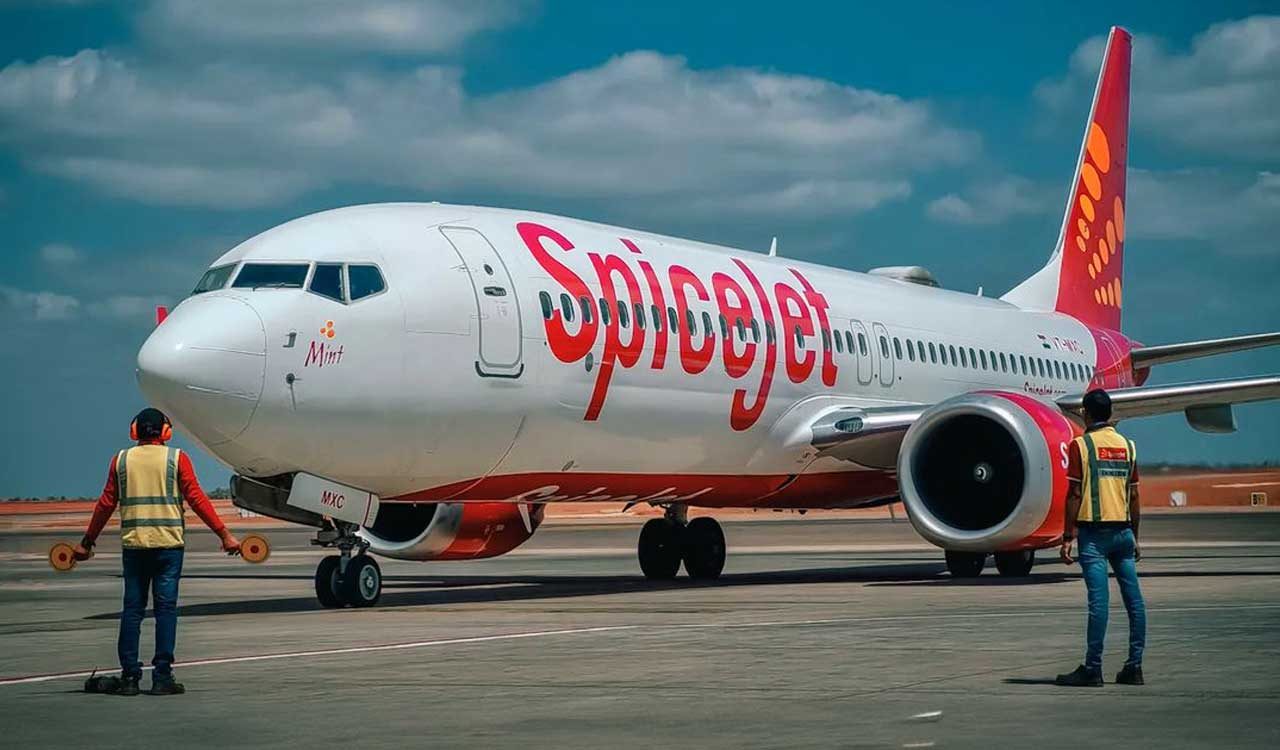
India’s aviation regulator, the Directorate General of Civil Aviation (DGCA), has issued a show-cause notice to budget airline SpiceJet over its deteriorating flight operations, increasing cancellations, delays and alleged violations of aviation regulations. The notice, issued on November 17, 2026, has given the airline seven days to explain why regulatory action should not be initiated against it.
The development comes at a time when SpiceJet is facing serious financial difficulties, a shortage of operational aircraft and growing complaints from passengers. The regulator has expressed concerns over the airline’s inability to maintain its approved flight schedule and provide adequate services to travellers.
Why Has DGCA Issued the Notice?
Declining Operational Performance
The DGCA observed a continuous decline in SpiceJet’s operational performance. The airline has reportedly been experiencing a significant rise in flight cancellations and delays, affecting thousands of passengers.
The regulator also highlighted the airline’s declining On-Time Performance (OTP), which measures the punctuality of flights. SpiceJet’s OTP was reported at just 25 per cent on November 19, indicating serious operational difficulties.
Failure to Follow Approved Schedules
The aviation regulator has also questioned the airline’s failure to operate flights according to its approved schedule. Repeated disruptions have caused inconvenience to passengers, while the airline has allegedly failed to provide adequate assistance and alternative arrangements.
Majority of SpiceJet Aircraft Remain Grounded
One of the biggest concerns raised by the DGCA is the large number of grounded aircraft in SpiceJet’s fleet.
According to the regulator, the majority of the airline’s aircraft are currently not operational. SpiceJet has also failed to submit a credible and practical plan explaining how these grounded aircraft will be brought back into service.
The shortage of operational aircraft has significantly reduced the airline’s capacity to operate scheduled flights, resulting in cancellations and delays.
This situation has raised questions about the airline’s ability to maintain reliable services in the highly competitive Indian aviation market.
Financial Crisis Adding to Operational Problems
Delayed Payments to Service Providers
SpiceJet is also facing mounting financial pressure due to unpaid dues to airport operators, ground-handling agencies and other service providers.
Reports indicate that delayed payments have affected its international operations as well. Dubai airport authorities reportedly suspended check-in services for SpiceJet flights over outstanding dues to ground-handling agencies.
Several Indian airports have also reportedly shifted the airline to a cash-and-carry arrangement, under which payments must be made before certain airport services are provided.
Employee-Related Concerns
The airline is reportedly facing delays in salary payments and employee attrition. These problems have further increased pressure on its day-to-day operations.
DGCA Flags Several Regulatory Violations
The show-cause notice has highlighted multiple areas of regulatory concern.
These include:
- Repeated flight cancellations and delays.
- Failure to follow approved flight schedules.
- Non-compliance with Route Dispersal Guidelines (RDG).
- Failure to meet eligibility requirements for scheduled international operations.
- Uncertainty regarding renewal of mandatory insurance coverage.
- Failure to pay an earlier penalty imposed by the regulator.
- Inadequate passenger facilitation during flight disruptions.
- Failure to present a credible plan for restoring grounded aircraft.
The DGCA has also referred to concerns raised by foreign aviation authorities regarding disruptions linked to delayed payments to overseas service providers.
What Are Route Dispersal Guidelines?
Route Dispersal Guidelines are aviation regulations designed to ensure that airlines provide connectivity to remote, regional and less commercially attractive destinations.
Under these guidelines, airlines are required to operate flights on specified categories of routes rather than concentrating exclusively on profitable metropolitan sectors.
The DGCA has alleged that SpiceJet repeatedly failed to comply with these requirements despite earlier enforcement action and a penalty imposed in May 2026.
These guidelines are important because they help improve regional connectivity and ensure that smaller cities are not deprived of air services.
Seven Days to Explain Its Position
The DGCA has directed SpiceJet to submit a detailed response within seven days of the notice dated November 17.
The airline must explain why action should not be taken against it for the alleged violations and operational shortcomings.
If the airline fails to respond within the stipulated period, the regulator may proceed with further action based on the available information.
At the time of the reports, SpiceJet had not issued an immediate official response to the notice.
SpiceJet Plans to Raise ₹5,500 Crore
Amid its financial difficulties, SpiceJet’s board approved a proposal on November 18 to raise up to ₹5,500 crore to strengthen its financial position.
The proposed fundraising is expected to help the airline address financial obligations, improve operational capacity and bring grounded aircraft back into service.
However, the success of this plan will depend on the airline’s ability to secure funds and use them effectively to resolve its existing problems.
The airline’s domestic market share also declined from 1.2 per cent in August to 0.6 per cent in September 2026, reflecting its weakening position in the aviation sector.
Impact on Passengers
The ongoing crisis has created uncertainty for passengers who have booked tickets with SpiceJet.
Delhi’s Indira Gandhi International Airport has issued advisories warning travellers that some SpiceJet flights may be affected because of operational challenges.
Passengers have been advised to check their flight status directly with the airline before travelling to the airport.
Frequent cancellations and delays can cause financial losses, missed connecting flights and difficulties for passengers travelling for business, education or medical purposes.
Way Forward
SpiceJet needs to take immediate steps to restore public confidence and improve its operational performance. The airline should prioritise the following measures:
- Bring grounded aircraft back into service through a practical recovery plan.
- Clear outstanding payments to airport operators and service providers.
- Ensure timely salaries and improve employee confidence.
- Follow all aviation safety and regulatory requirements.
- Improve passenger communication and compensation mechanisms.
- Maintain transparency regarding flight schedules and cancellations.
- Strengthen its financial position through effective fundraising.
- Read more like this:
- रिश्तेदारों के बीच विवाह पर रोक लगाने वाले कानून पर विचार करे सरकार : सुप्रीम कोर्ट
- पहलगाम आतंकी हमला: GoPro कैमरे को लेकर चीन ने अब तक नहीं दी जानकारी, NIA की जांच में सामने आई अहम कड़ी
Conclusion
The DGCA’s show-cause notice represents a serious regulatory challenge for SpiceJet at a time when the airline is already struggling with financial and operational difficulties.
The issue is not limited to flight cancellations or delayed departures; it also raises broader concerns about passenger rights, regional connectivity and regulatory compliance.
The airline’s immediate priority must be to restore operational stability, clear outstanding dues and ensure reliable services.
Ultimately, the developments highlight the importance of strong financial management, effective regulation and passenger protection in India’s rapidly expanding aviation sector. The response submitted by SpiceJet and the subsequent decision of the DGCA will be crucial in determining the airline’s future course.