Join
 Shorts

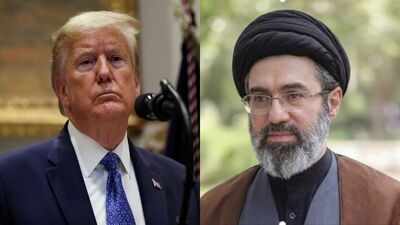
The United States has raised serious national security concerns following new intelligence reports suggesting that Iran may be developing plans for a potential dirty bomb or chemical weapons attack in Washington, DC. According to a CNN report published on November 16, 2026, the alleged plans could target senior officials of the Trump administration. The intelligence assessment has triggered heightened security discussions within the US government, although officials have stressed that there is currently no indication of an imminent attack.
The development comes amid escalating tensions between Washington and Tehran, with military confrontations, economic pressure and diplomatic disagreements adding to concerns about regional and international security.
US Intelligence Detects Possible Iranian Plans
According to CNN, which cited seven US officials familiar with the intelligence, American agencies have identified information suggesting that Iran is exploring possible unconventional attacks against senior US government officials.
Sources reportedly indicated that the suspected planning includes specific locations and potential targets in Washington. However, officials have described these activities as an effort to develop possible options rather than proof that Tehran has made a final decision to launch an attack.
The intelligence has nevertheless prompted several meetings among American officials over the past week to discuss possible responses and strengthen security preparations.
Officials remain divided over whether Iran has the necessary operational capabilities and intention to carry out such an operation.
What Is a Dirty Bomb?
A dirty bomb is a weapon that combines conventional explosives with radioactive material. Unlike a nuclear bomb, it does not produce a nuclear explosion. Instead, its purpose is to spread radioactive substances over an area, potentially contaminating public spaces and creating fear among the population.
Such an attack could cause injuries, property damage, environmental contamination and significant disruption to everyday life. It could also require extensive emergency operations, including evacuations, radiation monitoring and the decontamination of affected areas.
Security experts consider dirty bombs particularly dangerous because their psychological and economic consequences could extend beyond the immediate physical damage.
Washington Strengthens Security Preparations
The reported intelligence has increased concern among US national security agencies, particularly because Washington is home to the White House, Congress, government departments and several important diplomatic institutions.
According to sources cited by CNN, American authorities have begun examining contingency measures to respond to a possible unconventional weapons threat.
The reported concerns also come after the Secret Service moved Treasury Secretary Scott Bessent into military housing last week amid security threats linked to Iran.
Officials are examining potential vulnerabilities and considering measures to protect senior government figures and important national institutions.
However, the White House has attempted to prevent unnecessary public alarm. Spokesperson Lauren Bis stated that the administration was monitoring potential threats but that there were currently no credible threats to the US homeland.
Concerns Over Materials Inside the United States
Another worrying aspect of the intelligence assessment involves intercepted communications in which Iranian sources allegedly claimed that bomb-making materials had already been placed inside the United States.
According to CNN, American officials have different opinions about the credibility of these claims. Nevertheless, some believe that the possibility of materials being pre-positioned cannot be dismissed.
Sources also suggested that Iran would not necessarily need to send trained operatives directly into American territory. An individual already living in the country could potentially be recruited to assist with an attack.
These concerns have renewed discussions about domestic intelligence, counterterrorism operations and the protection of critical infrastructure.
Iran-US Tensions Behind the Warning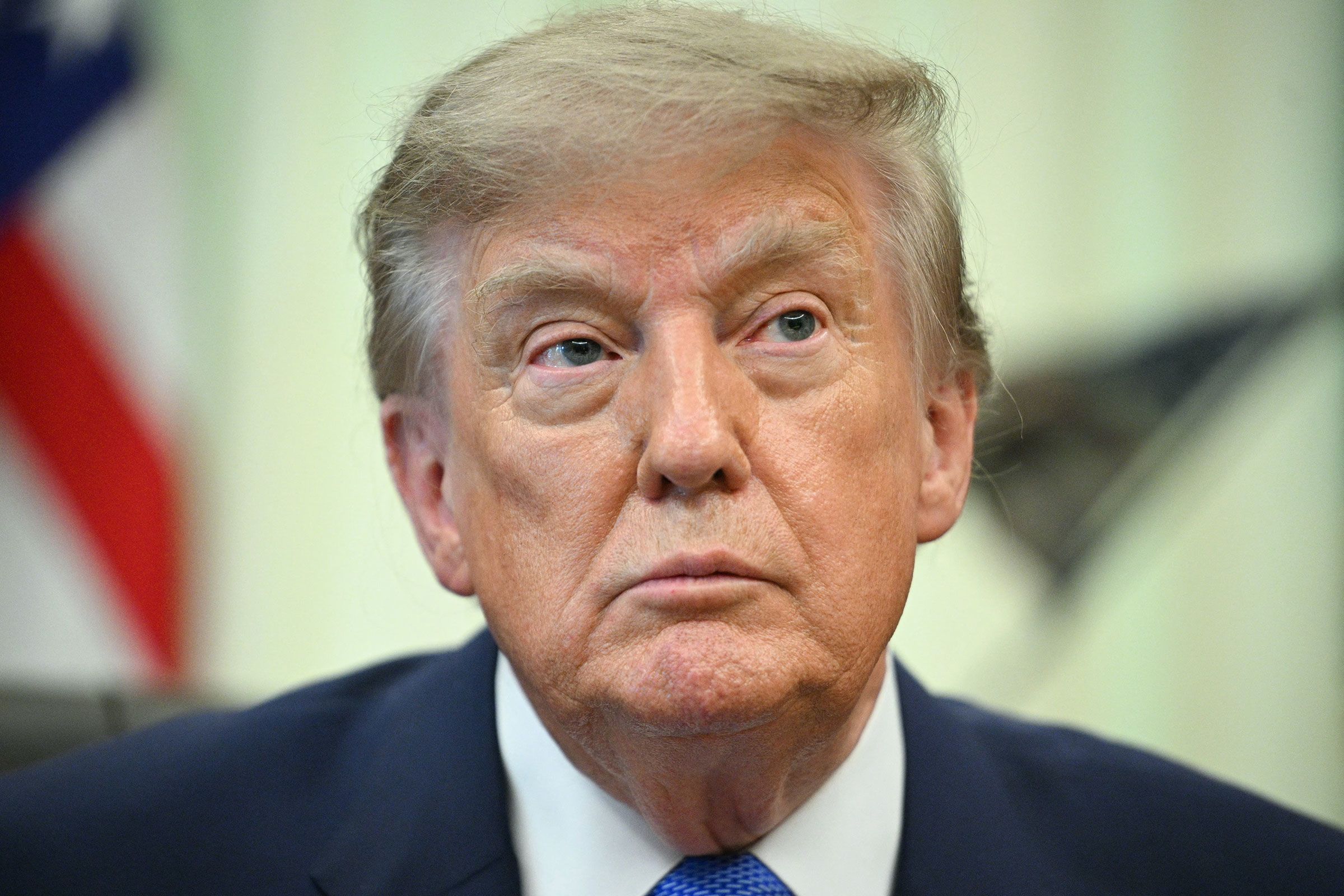
The latest intelligence concerns emerge during an increasingly difficult period in relations between Iran and the United States.
Washington and Tehran remain involved in a serious confrontation involving military pressure, economic restrictions and disagreements over regional security.
American officials believe that Iranian threats against US personnel and government representatives have become increasingly concerning. Earlier incidents, including an alleged murder-for-hire plot targeting former US President Donald Trump in 2024, have also contributed to Washington’s security concerns.
At the same time, Iran’s mission to the United Nations has rejected allegations concerning chemical weapons, describing them as false and fabricated. The Iranian statement said that Tehran considers the use of chemical weapons illegitimate under any circumstances.
The country’s response did not specifically address the reported dirty bomb planning.
International Security Implications
The reported development could have consequences beyond the United States. Any attempt to use radioactive or chemical materials against government officials would represent a serious escalation in international tensions.
It could increase pressure on intelligence agencies, strengthen counterterrorism cooperation and complicate diplomatic efforts to reduce tensions in the Middle East.
The possibility of unconventional weapons being used also highlights the importance of international monitoring, emergency preparedness and cooperation between governments.
Read more like this:
- एमएस धोनी ने IPL को कहा अलविदा, अब चेन्नई सुपर किंग्स के मेंटर की संभालेंगे जिम्मेदारी; 2027 से मैदान पर नहीं दिखेगा माही का जलवा
- Energy Drink or Sugar? FSSAI Sends Notice to Red Bull Over Composition of Beverage
Conclusion
The latest US intelligence warning has raised serious questions about the potential expansion of the Iran-US confrontation onto American soil. Although reports suggest that Iranian planning may involve specific targets and locations in Washington, officials have not established that an attack is imminent or that Tehran has decided to execute such a plan.
The White House maintains that there is currently no credible threat to the US homeland, while American security agencies continue to monitor developments and prepare contingency measures.
For now, the situation remains an intelligence and national security concern rather than a confirmed attack plot. The coming weeks could prove important in determining whether diplomatic efforts can prevent further escalation between the two countries.