Join
 Shorts

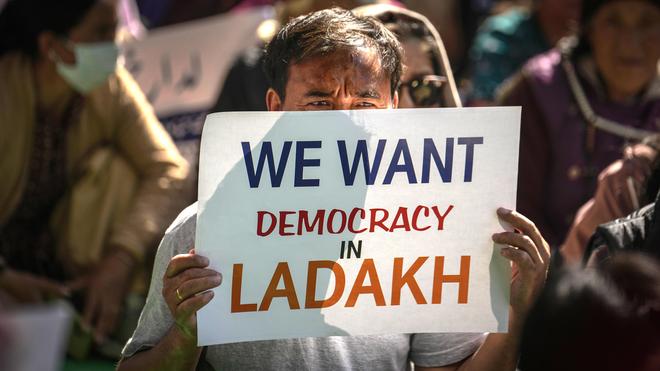
The ongoing negotiations between the Union Ministry of Home Affairs (MHA) and representatives of Ladakh have reached another deadlock. The meeting scheduled for October 22, 2026, in New Delhi did not take place because of growing disagreements over the Centre’s draft proposal for the Union Territory. The Leh Apex Body (LAB) and the Kargil Democratic Alliance (KDA), which represent major sections of Ladakh’s civil society, have expressed dissatisfaction with the government’s proposed framework. The failure to resume talks has raised concerns about the future of constitutional safeguards, democratic representation and regional autonomy in Ladakh.
Background of the Ladakh Issue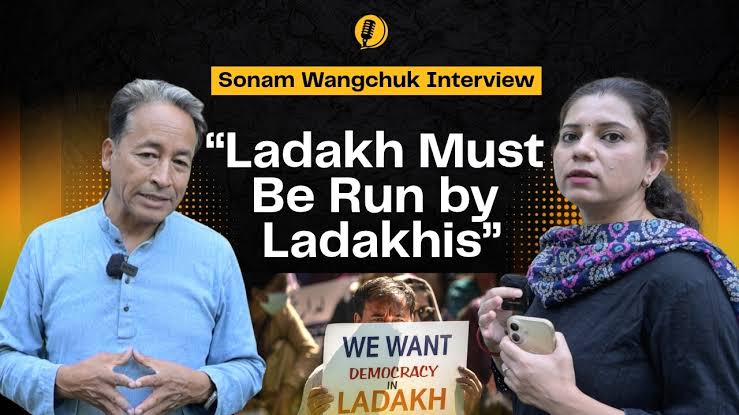
Formation of the Union Territory
In August 2019, Ladakh was separated from the erstwhile state of Jammu and Kashmir and made a Union Territory without a legislature. Since then, various organisations and community leaders have demanded stronger constitutional protection, greater political representation and safeguards for the region’s land, culture, language and employment opportunities.
Major Demands of Ladakh
The principal demands raised by Ladakh’s representatives include statehood, inclusion under the Sixth Schedule of the Constitution, constitutional safeguards similar to those available to certain northeastern states, and a democratically elected legislature with meaningful powers.
The Leh Apex Body and the Kargil Democratic Alliance have played a central role in negotiations with the Union government.
Why Have the Talks Failed?
Disagreement Over the Government’s Draft
The immediate reason for the deadlock is a 32-page draft proposal shared by the Ministry of Home Affairs on October 15, 2026. The document outlines a proposed constitutional and statutory framework for a Union Territory-level governing body.
The LAB and KDA rejected the proposal, arguing that it fell short of their expectations and differed significantly from the understanding reached during earlier negotiations. They submitted their own proposals and responses, but the differences remained unresolved.
Failure to Convene the October 22 Meeting
The next round of discussions was expected to take place in New Delhi on October 22. However, Ladakh’s representatives said they had not received an invitation from the MHA. Consequently, the meeting did not take place, further increasing uncertainty over the negotiation process.
The Main Differences Between the Two Sides
Powers of the Proposed Elected Body
One of the biggest disagreements concerns the authority of the proposed governing institution. The Centre’s draft envisages a Union Territory-level body whose powers would be defined through a constitutional and regulatory framework.
Ladakh’s representatives, however, want a stronger elected institution with constitutionally guaranteed legislative, executive and financial powers. They argue that a body with limited regulatory authority would not adequately fulfil the region’s democratic aspirations.
Constitutional Safeguards
The LAB and KDA have sought protections along the lines of Article 371A, which provides special constitutional safeguards for Nagaland in specified matters.
They want stronger guarantees concerning land ownership, natural resources, cultural identity, customary practices, education and local employment. Their concern is that the Centre’s draft does not provide sufficient protection against the application of central laws in these areas.
Administrative Control
Another major point of disagreement is control over the bureaucracy. Ladakh’s representatives want the elected government to exercise meaningful authority over the transfer, posting and supervision of administrative officers.
The Centre’s draft retains substantial administrative oversight for the Lieutenant Governor and the Union government. This difference has become a significant obstacle to reaching an agreement.
Growing Differences Within Ladakh
Emergence of a New Civil Society Forum
The disagreement is not limited to the Centre and Ladakh’s principal negotiating groups. The Civil Society Forum of Ladakh, which includes former public representatives and community figures, has emerged as another stakeholder.
The forum has criticised the LAB and KDA, alleging that earlier understandings have not been implemented and that the negotiating process has suffered from delays. It has also questioned whether the two organisations adequately represent the diverse views of all districts.
Concerns Over Unity
The emergence of differing positions within Ladakh’s civil society could complicate negotiations. While some groups insist on stronger constitutional guarantees, others have called for broader participation, local elections and greater powers for existing hill councils.
A united approach could help Ladakh’s representatives negotiate more effectively with the Centre.
Impact on Ladakh’s People
Political Uncertainty
The continuing deadlock has created uncertainty about Ladakh’s future governance structure. Residents seeking greater democratic representation remain concerned about the delay in establishing a satisfactory constitutional arrangement.
Protection of Land and Culture
Ladakh has a distinctive cultural, linguistic and ecological identity. Its people fear that insufficient safeguards could weaken local control over land, natural resources and development decisions.
Public Trust
Repeated delays and conflicting claims have the potential to weaken public confidence in the negotiation process. Transparent communication and the publication of official documents can help citizens understand the issues and assess the positions of both sides.
The Way Forward
The Centre and Ladakh’s representatives need to restart negotiations through a constructive and transparent dialogue. Both sides should carefully examine their respective proposals and identify areas where compromise is possible without undermining the region’s fundamental demands.
The government should clearly explain the proposed powers of the elected body, the extent of constitutional protection and the arrangements for administrative accountability. At the same time, Ladakh’s civil society organisations should encourage inclusive discussions involving communities from both Leh and Kargil.
Read more like this:
- सर्वोच्च न्यायालय का बड़ा फैसला: मतदाता अब उम्मीदवारों पर जानकारी छिपाने के लिए मुकदमा चला सकते हैं
- Why Is ITBP Overhauling Its Training and Combat Strategy Along the China Border? Explained
Conclusion
The failure of talks between Ladakh’s representatives and the Ministry of Home Affairs highlights the serious differences over the region’s political future. The central issues remain constitutional safeguards, democratic representation and administrative autonomy. The emergence of divisions among local groups has added another layer of complexity.
A lasting solution will require mutual trust, meaningful negotiations and respect for the aspirations of Ladakh’s people. Rather than allowing disagreements to deepen, the Centre and regional stakeholders should work towards a constitutional framework that protects Ladakh’s unique identity while ensuring effective democratic governance.