Join
Join
 Shorts

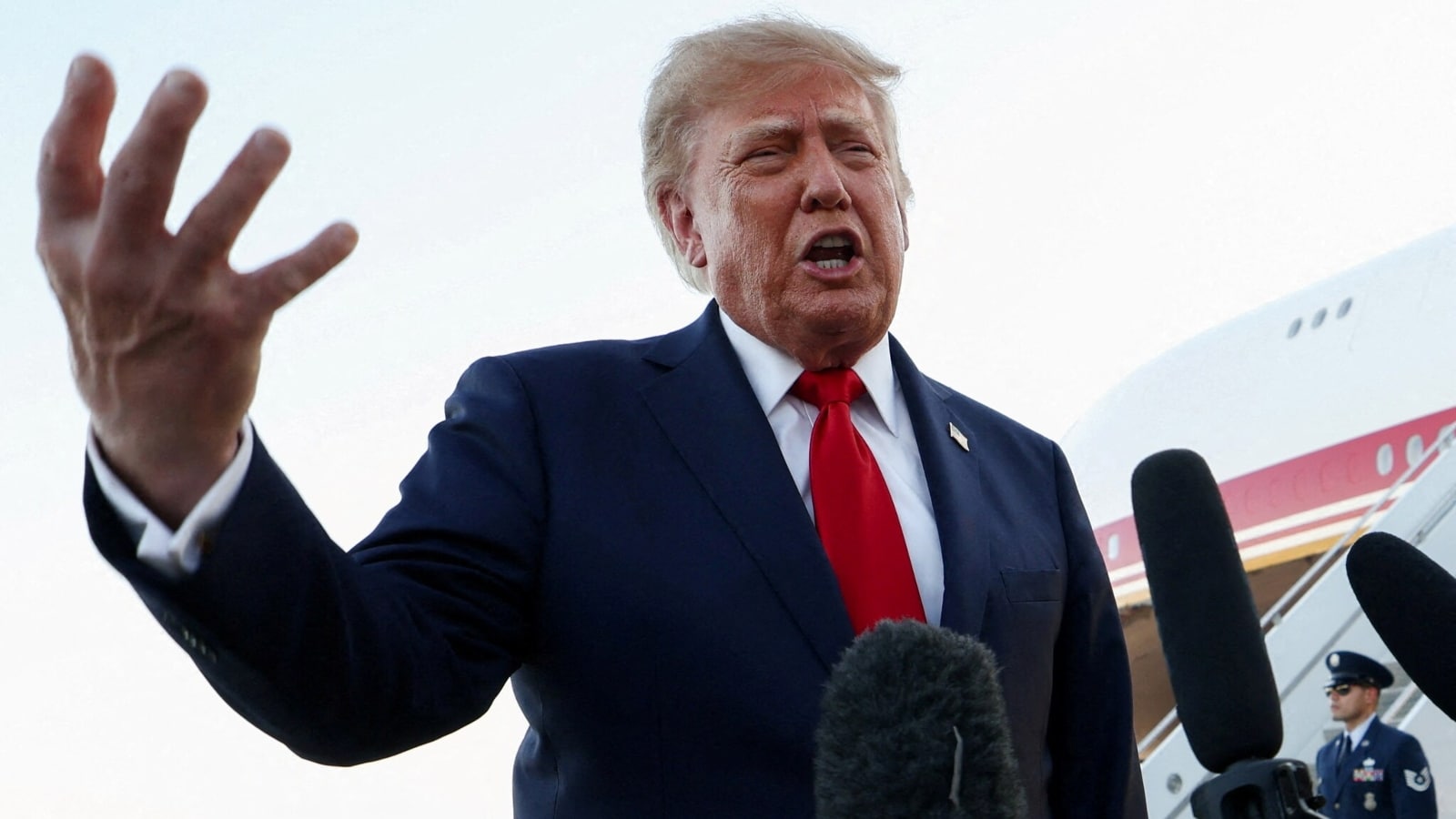
In an unusual show of solidarity among competing American broadcasters, major US television networks have suspended their shared White House television-pool coverage of President Donald Trump. The move came after the Trump administration barred CNN, along with MS NOW and Politico, from White House access and prevented CNN from carrying out its scheduled duties as the pool broadcaster.
The development has intensified the long-running dispute between the Trump administration and several major news organisations over press access, editorial independence and the role of the media in covering the presidency.
ABC, CBS, NBC and Fox Join CNN
The White House television pool is a system in which major networks take turns covering presidential events and share their video footage with other broadcasters. The pool normally includes ABC, CBS, CNN, Fox News and NBC.
CNN was scheduled to provide pool coverage on Monday, September 21. However, after the White House prevented the network from performing its assignment, the other four networks—ABC, CBS, NBC and Fox News—declined to provide a replacement crew.
Fox News Washington bureau chief Bryan Boughton, who was serving as chair of the television pool, informed members that the pool would suspend coverage of presidential events requiring shared access.
The networks issued a joint statement emphasizing the public’s interest in receiving independent information about the government. They said that no administration should restrict a news organisation because it objects to its reporting.
Why Did the White House Ban CNN, MS NOW and Politico?
The dispute began after the Trump administration moved to bar reporters from CNN, MS NOW and Politico from the White House.
Trump has accused the outlets of producing inaccurate or unfair coverage of his administration. The White House has defended its authority to determine media access and has argued that access to certain presidential events is not an unconditional right.
The three affected organisations, however, have challenged the administration’s decision in federal court. They argue that the restrictions violate constitutional protections for freedom of the press and due process.
The legal dispute could therefore become an important test of the relationship between the executive branch and the news media.
Trump Event Goes Ahead Without Normal TV Pool Audio
The impact of the boycott became particularly visible during a White House event on Monday.
Trump attended a ribbon-cutting ceremony connected to a new helipad on the White House South Lawn. Because the regular television pool was not providing its usual audio and video coverage, viewers watching the available White House feed could see the president but had difficulty hearing his remarks.
Reports said the sound of Marine One’s helicopter overwhelmed much of the available audio. The episode illustrated how dependent television coverage of presidential events can be on the shared pool system.
What Is the White House TV Pool?
The television pool plays an important logistical role in US presidential coverage. Presidential movements and events cannot always accommodate camera crews and technical teams from every television network.
Instead, one network is assigned to cover an event and distributes its footage to other broadcasters. The arrangement allows television organisations to maintain access to important presidential events while limiting the number of cameras and personnel inside restricted locations.
The system is particularly important during presidential travel, White House ceremonies and other events where physical space is limited.
The suspension therefore affects not only individual networks but also the broader mechanism through which Americans receive live television coverage of the president.
CNN, MS NOW and Politico Take Legal Action
The media dispute has also moved into the courts. CNN, MS NOW and Politico have filed a federal lawsuit challenging the administration’s decision to restrict their access.
The organisations argue that the government’s actions amount to retaliation for critical reporting and violate First Amendment protections. They have also raised due-process concerns under the Fifth Amendment.
The White House has rejected the criticism and maintained that it has authority over access to the presidential complex and media arrangements.
The courts will ultimately determine whether the administration’s restrictions comply with constitutional and legal requirements.
A Rare Moment of Media Unity
The decision by ABC, CBS, NBC and Fox News to suspend pooled coverage alongside CNN is notable because the networks frequently compete with one another and often have different editorial approaches.
Yet, in this case, they have taken a common position regarding the White House’s decision to exclude certain organisations.
The episode has consequently become larger than the dispute between Trump and CNN. It has raised broader questions about whether a government can restrict journalists because of disagreements with their reporting and what obligations competing news organisations have when one outlet’s access is limited.
Read more like this:
- यूपी चुनाव से पहले ओवैसी ने खोला गठबंधन का दरवाजा, कांग्रेस ने AIMIM को लेकर जताई चिंता
- अयोध्या राम मंदिर में चोरी की 105 घटनाएं CCTV में कैद, यूपी सरकार ने सुप्रीम कोर्ट को दी जानकारी; 25 सितंबर तक चार्जशीट
What Happens Next?
For now, the television pool’s suspension represents an escalation in the confrontation between the White House and major US news organisations. The immediate focus will be on whether the administration restores access to the barred outlets and whether the courts intervene.
The controversy also comes as Trump travels for major international engagements, including the United Nations General Assembly. Reports indicate that the dispute could affect the availability of traditional pooled television coverage of presidential events during the trip.
The outcome of the legal battle could have wider implications for the relationship between the US presidency and the press. For viewers, the immediate issue is straightforward: a system normally designed to ensure broad and shared access to presidential events has been disrupted by an escalating dispute over media access and press freedom.